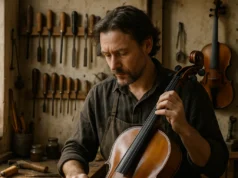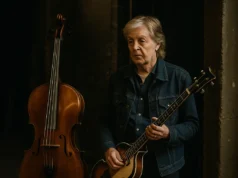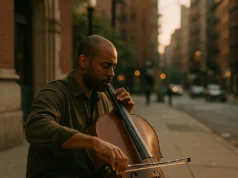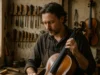



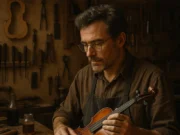
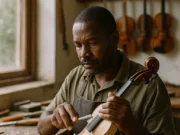
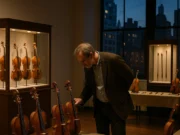
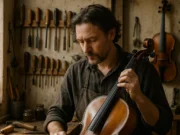
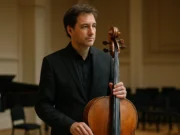

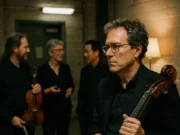
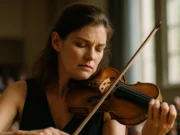
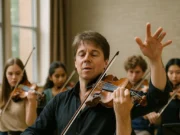

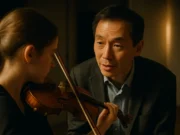

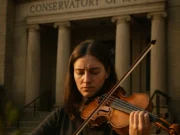
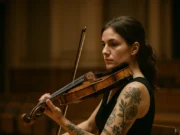

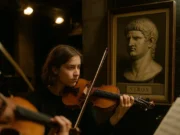
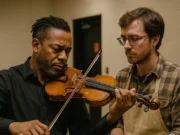
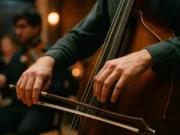

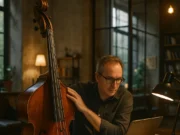
Within the vibrant setting of Music@Menlo, a renowned chamber music festival and institute, the presentation of an array of notable string instruments underscores the continuous dialogue between centuries-old craftsmanship and modern performance practice. Among these cherished instruments, a Brothers Amati viola and a cello affectionately known as ‘Ginger’ capture attention not only for their individual stories but also for their contribution to the festival’s musical tapestry.
Connecting Past and Present Through Instrument Choice
The Brothers Amati viola holds significant historical value. Crafted by the Amati family, pivotal figures in the Cremonese school of violin making during the 16th and 17th centuries, instruments from this lineage have profoundly shaped the sound and construction of the violin family. Their violas, more scarce than violins due to historical preferences and surviving examples, are considered exceptional for their warm tonal qualities and refined craftsmanship. The presence of such an instrument within a contemporary festival setting speaks to Music@Menlo’s commitment to preserving and celebrating lutherie heritage.
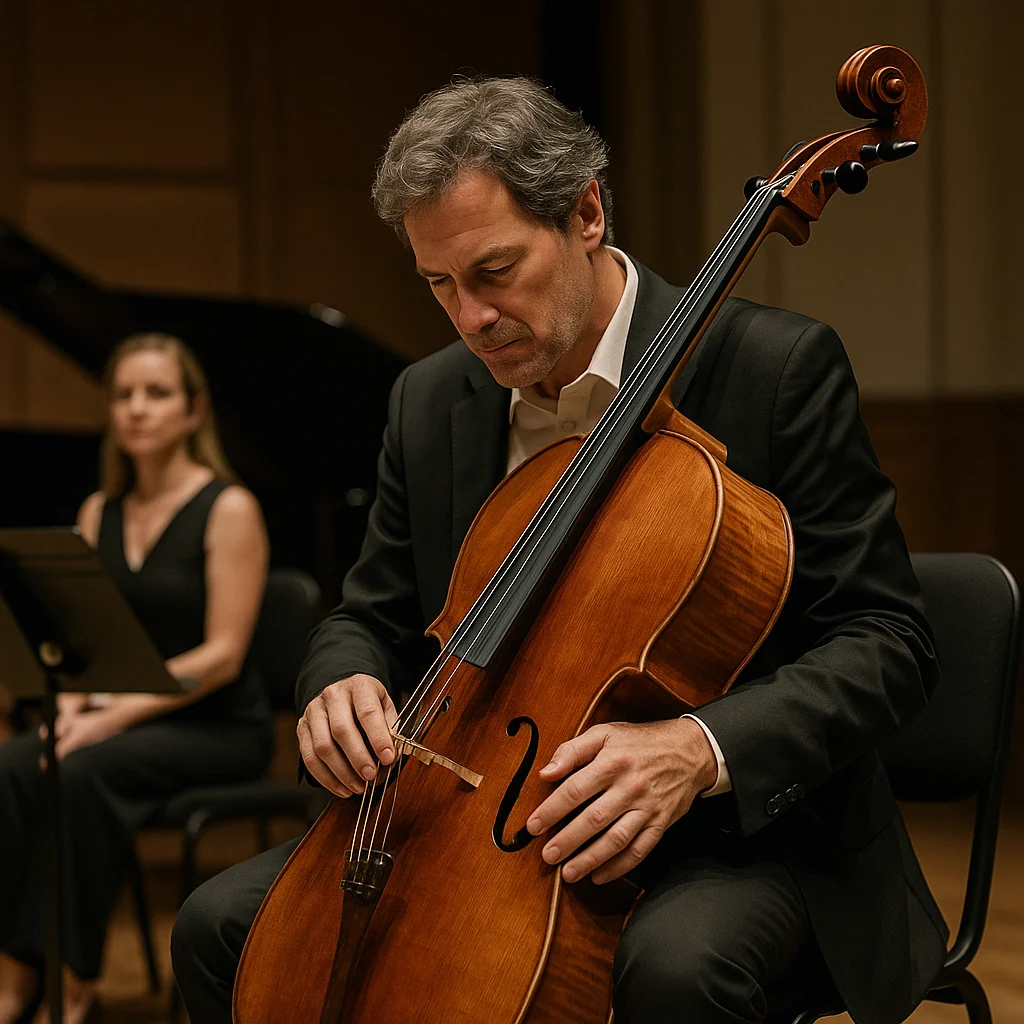
In contrast, the cello named ‘Ginger’ represents a more contemporary or personalized facet of string instrument culture. While details of its maker and provenance are not specified here, the practice of naming instruments is a rich tradition that fosters an intimate rapport between artist and instrument. The cello’s character — suggested by its name — hints at a distinctive personality or tonal warmth, qualities prized in chamber music contexts like Music@Menlo.
Implications for Performers, Makers, and Audiences
The integration of these instruments into the fabric of Music@Menlo highlights several key facets of the classical music ecosystem. For performers, access to such rare and distinctive instruments enriches interpretive possibilities and fosters deeper musical expression. The tonal nuances of centuries-old violas illuminate repertoire in ways modern instruments may approach differently, while well-chosen contemporary cellos provide their own unique voice.
For luthiers and collectors, seeing these instruments in active use reinforces the vitality of their craft and stewardship. It serves as a reminder that fine instrument making is a living art, deeply embedded in performance traditions yet open to individual artistry and innovation.
Audiences benefit by experiencing a broader palette of sounds and histories during performances. The narrative of instruments like the Brothers Amati viola connects listeners with the lineage of violin making and the enduring qualities that have captivated musicians and listeners alike for generations.
Looking Ahead: Music@Menlo’s Role in Instrument Legacy
As the festival continues, the interplay of historic and modern instruments will likely remain a cornerstone of its identity. This balance encourages dialogue not just about repertoire and interpretation but about the very tools through which music’s legacy is realized and transmitted. Observing how these instruments are maintained, showcased, and entrusted to new generations of players offers insights into broader trends in performance practice and cultural preservation.
Why this matters
- The use of historic instruments like the Brothers Amati viola at Music@Menlo reinforces the significance of Cremonese lutherie heritage in today’s performance practice.
- Named instruments such as the cello ‘Ginger’ illustrate the ongoing personalization and living tradition within string instrument communities.
- Performers gain access to distinctive sound worlds, impacting interpretation and audience experience in chamber music.
- Makers and collectors see the active role their craft plays in fostering musical heritage and contemporary artistry.
- Observers and enthusiasts can anticipate how Music@Menlo’s program will continue to balance historical reverence with modern musical expression.
Related topics
- The evolution of viola construction and its influence on repertoire interpretation.
- Personal naming traditions for string instruments and their cultural significance.
- The role of chamber music festivals in sustaining and promoting lutherie craftsmanship.
Editorial Commentary
Instrument-centered articles are valuable because they connect sound, materials, construction, and performance practice. For specialists and enthusiasts alike, they provide insight into the physical objects that stand at the heart of musical interpretation.
Read in a broader way, this type of story helps explain why the history and evolution of the $instrument_label still matter today to makers, performers, collectors, educators, and serious listeners.
About The Violin Post
The Violin Post is an international editorial platform dedicated to violin making, classical performance, competitions, instruments, and the wider culture of the string world.
Its coverage connects news reporting with specialist context for readers interested in performers, makers, educators, institutions, and musical heritage.
Related Articles
- Paul McCartney Reflects on the Legacy of Höfner, Craftsperson of His Legendary Bass
- The Cello’s Resonant Voice Finds Ground in Jazz Music
- Violin Society of America Marks Half a Century with 50th Convention in Indianapolis
— The Violin Post Editorial Staff