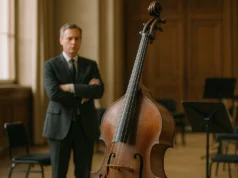






















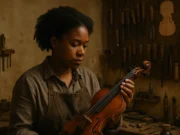

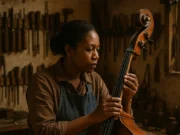



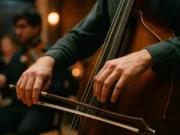


Authorities in New York are investigating the theft of a prized Italian double bass valued at approximately $150,000. The instrument, noted for its craftsmanship and historical significance, represents a significant loss for its owner and the wider string instrument community.
Impact on Musicians and Instrument Collectors
High-quality double basses, especially those crafted by Italian luthiers, are prestigious and rare. Musicians who rely on such instruments for their tonal qualities face substantial challenges when these instruments go missing. Beyond the personal and professional setback, the theft highlights vulnerabilities within the safeguarding of valuable stringed instruments in urban settings.
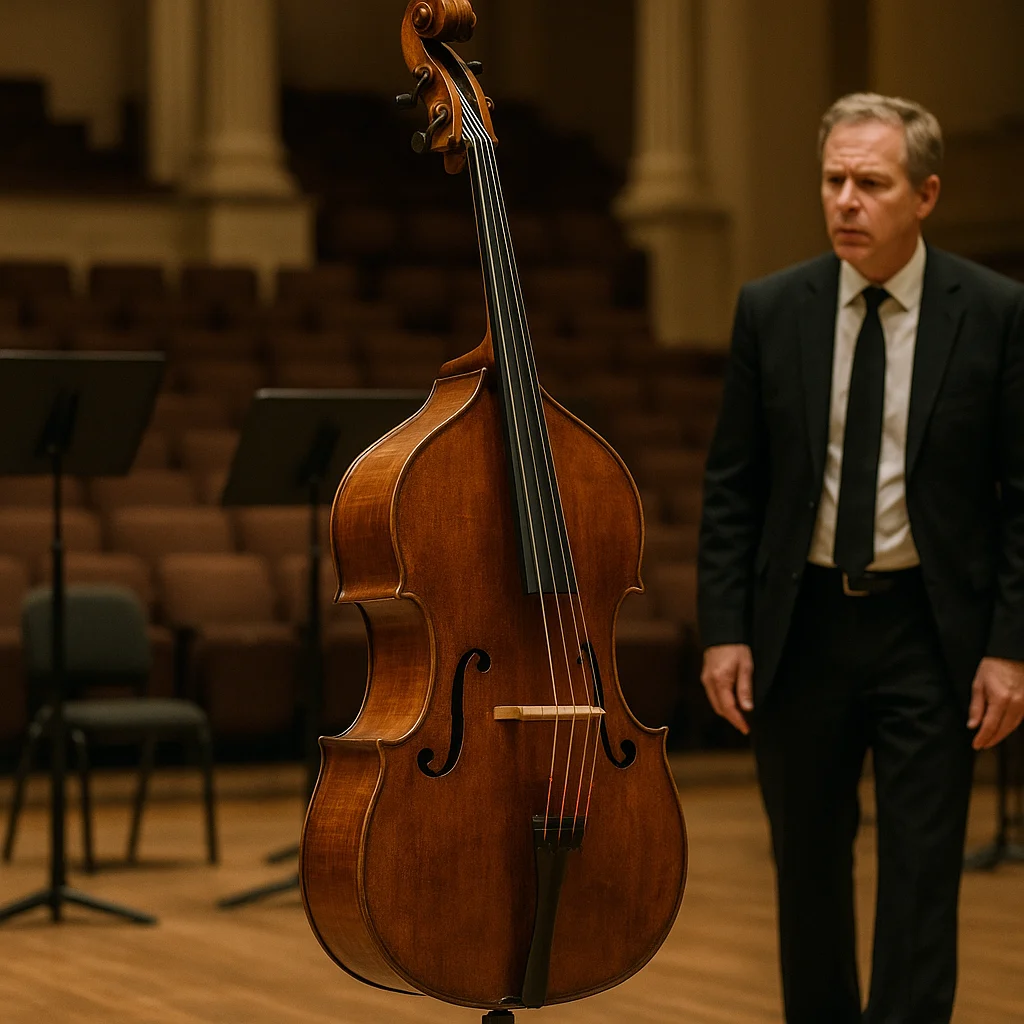
For collectors and institutions, the disappearance of such an instrument underscores the ongoing risks posed to cultural heritage objects that also hold considerable financial value. Recovery efforts often involve coordination between law enforcement, specialized art and instrument recovery units, and the classical music community.
The Broader Context of Instrument Theft in Classical Music
The theft of fine string instruments is an unfortunate reality within the classical music ecosystem. Instruments by renowned makers often command high prices and can be targets for theft due to their market value. This event draws attention to the importance of meticulous documentation, security measures, and awareness among players, dealers, and collectors alike.
Moreover, the loss reverberates through performing ensembles and educational institutions, which depend on access to quality instruments. Double bass players, in particular, face limited options due to the specialized nature of their instruments, adding pressure on community support and instrument loan programs when such incidents occur.
Why this matters
- The theft highlights ongoing security challenges for valuable instruments in urban and performance settings.
- Musicians, especially double bass players, are directly affected due to instrument scarcity and unique craftsmanship.
- Collectors and institutions must remain vigilant to protect cultural and financial assets.
- The classical music community benefits from coordinated efforts to recover stolen instruments and prevent future thefts.
- Keeping awareness high encourages improved protective measures and documentation practices.
Related topics
- How the rarity of Italian string instruments influences their market and security risks
- Effective strategies for safeguarding high-value orchestral instruments
- The role of insurance and provenance in preserving musical heritage
Editorial Commentary
Instrument-centered articles are valuable because they connect sound, materials, construction, and performance practice. For specialists and enthusiasts alike, they provide insight into the physical objects that stand at the heart of musical interpretation.
Read in a broader way, this type of story helps explain why the history and evolution of the $instrument_label still matter today to makers, performers, collectors, educators, and serious listeners.
About The Violin Post
The Violin Post is an international editorial platform dedicated to violin making, classical performance, competitions, instruments, and the wider culture of the string world.
Its coverage connects news reporting with specialist context for readers interested in performers, makers, educators, institutions, and musical heritage.
Related Articles
- Unusual Designs in Traditional Musical Instruments: A Closer Look at Innovation and Experimentation
- Exploring the Top Free Kontakt Instruments of 2025: New Opportunities for Violinists and Classical Musicians
- The Role of Quality Rosin in String Performance: Spotlight on Transparent Yellow Rosin
— The Violin Post Editorial Staff