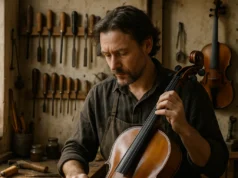





























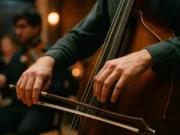

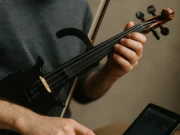

Rosin, a seemingly modest accessory in the arsenal of string players, wields disproportionate influence over bow performance and sound production. Recent attention has been drawn to a 25g transparent yellow rosin, handmade and crafted to suit violin, viola, and cello bows. Though its presence is subtle, such rosin formulations are central to achieving optimal bow grip and tonal clarity—elements that resonate deeply with performers, educators, and makers alike.
Understanding Rosin’s Vital Function in String Performance
Rosin is a solid form of resin applied to bow hair, creating the necessary friction between the bow and strings. Without adequate rosin, the bow hair would slide over the strings producing little sound; excessive rosin can lead to a gritty, scratchy tone. String players often develop personal preferences for rosin formulations, which vary by hardness, grip, and residue, adapting to differing climates, string types, and playing techniques.

The transparent yellow type, as exemplified by the 25g handmade round rosin, often appeals to those seeking a balanced grip that neither oversaturates the bow hair nor leaves the sound thin. Its handmade nature suggests attention to traditional production methods, potentially employing natural resins purified to achieve clarity and consistent texture. Such qualities appeal not only to soloists and chamber musicians but also to orchestral players requiring reliability over extended rehearsals and varied repertoire.
Implications for String Players and the Broader Musical Ecosystem
For students and professionals alike, rosin choice is a nuanced decision shaping practice efficiency and recital outcomes. Handmade rosins, including transparent varieties, cater to an audience sensitive to both performance needs and tonal aesthetics. Luthiers and instrument specialists also play a role in recommending appropriate rosin types as part of comprehensive instrument maintenance and setup.
Moreover, violin, viola, and cello bows’ interaction with rosin affects not only sound production but also the longevity of bow hairs and strings. Thus, this transparent yellow rosin impacts instrument care protocols and can influence the economics of string maintenance. Collectors and connoisseurs might notice subtle effects when pairing specific rosin types with historical instruments, contributing to authentic sound reproduction and preservation efforts.
As the classical music field continually explores the intersection of tradition and innovation, materials like this handmade transparent rosin reflect a broader dedication to artisanal craftsmanship supporting contemporary performance demands. Its availability encourages informed choices amid a market where conventional mass-produced rosins still dominate.
Why this matters
- Rosin remains a critical, yet often understated, component influencing bow sound and playability, affecting everyone from students to seasoned professionals.
- Handmade transparent yellow rosin exemplifies the artisanal approach in string accessory production, appealing to those seeking quality and consistency tailored to their instrument.
- Its formulation impacts not just immediate sound but also the maintenance and longevity of bow hair and strings, relevant to luthiers and players.
- Awareness of rosin variety encourages performers to make informed decisions that can subtly enhance performance quality.
- Ongoing discussions around traditional versus industrially produced rosins shed light on broader themes of craftsmanship in classical music.
Related topics
- The impact of bow maintenance on string instrument tone and durability
- How player preferences shape the development of rosin formulations
- The role of artisanal materials in sustaining classical music heritage
Editorial Commentary
Instrument-centered articles are valuable because they connect sound, materials, construction, and performance practice. For specialists and enthusiasts alike, they provide insight into the physical objects that stand at the heart of musical interpretation.
Read in a broader way, this type of story helps explain why the history and evolution of the $instrument_label still matter today to makers, performers, collectors, educators, and serious listeners.
About The Violin Post
The Violin Post is an international editorial platform dedicated to violin making, classical performance, competitions, instruments, and the wider culture of the string world.
Its coverage connects news reporting with specialist context for readers interested in performers, makers, educators, institutions, and musical heritage.
Related Articles
- Unlocking the Enduring Mystique of Stradivarius Violins
- Historic and Contemporary Instruments at Music@Menlo Illuminate Artistic Collaboration and Instrument Heritage
- Paul McCartney Reflects on the Legacy of Höfner, Craftsperson of His Legendary Bass
— The Violin Post Editorial Staff