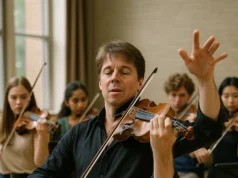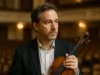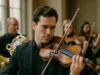


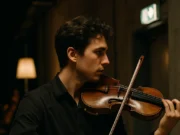



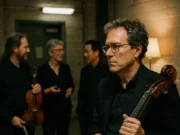
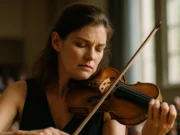
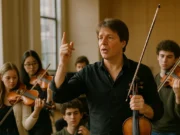
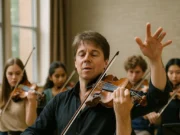
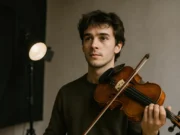

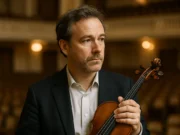

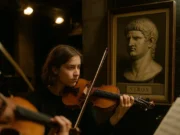
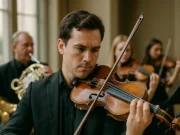

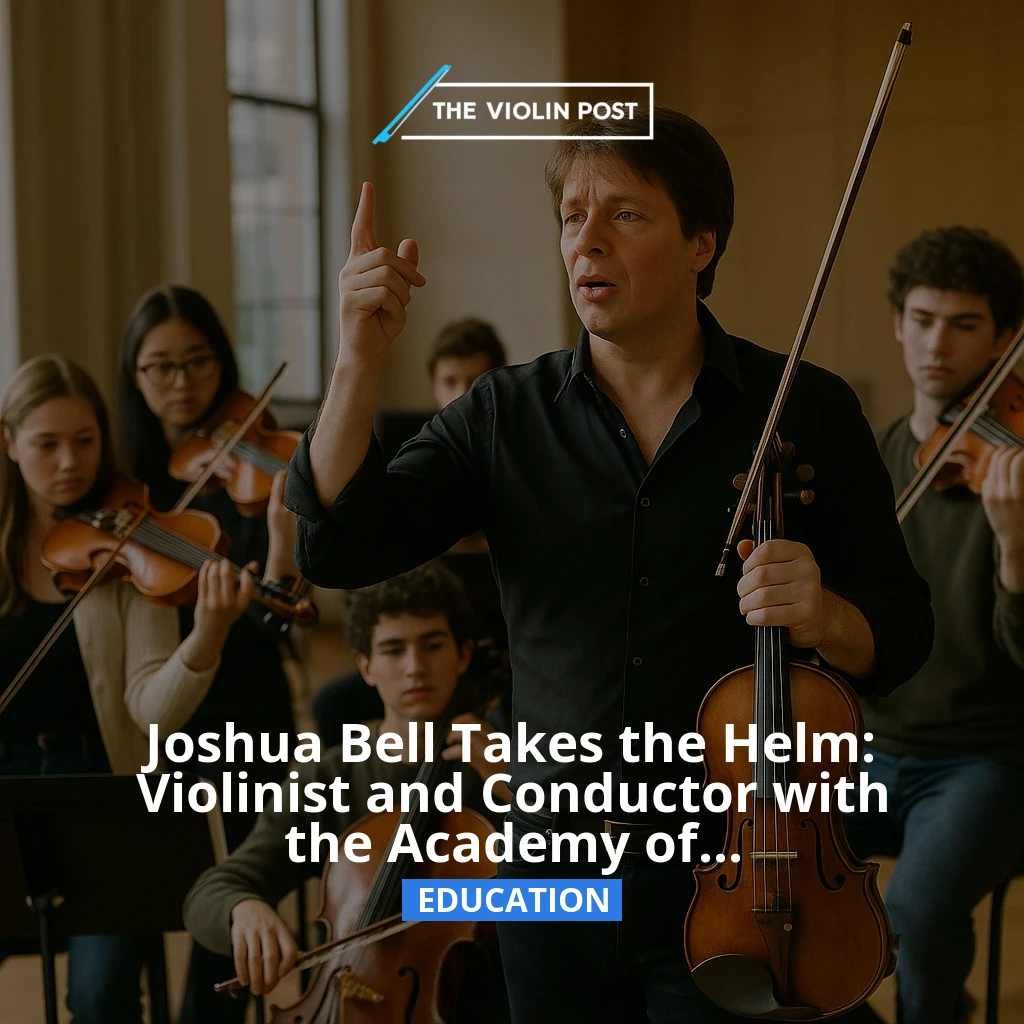
Joshua Bell is a name that resonates deeply within classical music circles, acclaimed both for his virtuosity on the violin and his growing stature as a conductor. His engagement with the Academy of St Martin in the Fields (ASMF) in this dual capacity represents an important development in the dialogue between soloist and ensemble within chamber orchestra traditions.
Bridging Solo Artistry and Ensemble Leadership
The Academy of St Martin in the Fields, founded in 1958, has long been celebrated for its sparkling chamber orchestra sound and refined interpretations of baroque to classical repertoire. Joshua Bell’s appearance not only as a featured soloist but also stepping onto the conductor’s podium draws attention to a nuanced approach where leadership emerges from within the music-making itself rather than from a traditional separate role.
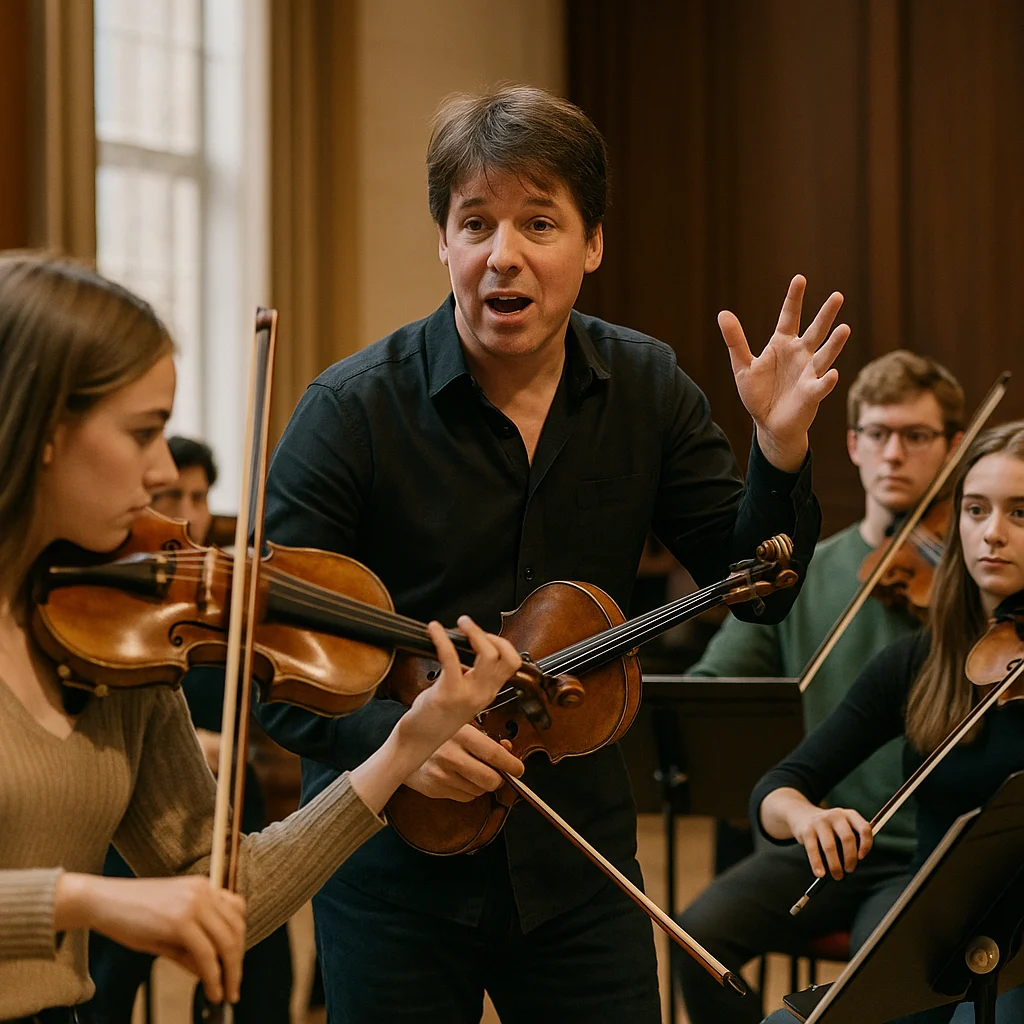
In such a setting, Bell’s extensive experience as a solo violinist informs his conducting gestures and musical decisions, fostering an intimate connection with the orchestra members. This integrated style challenges conventional boundaries, allowing for a more collaborative dynamic that benefits both performers and audiences.
Impact on Performers and Audiences
Musicians within ASMF are granted the opportunity to respond to Bell’s vivid interpretive vision, shaped by his expertise and distinctive phrasing. This synergy during rehearsals and performance settings encourages flexibility and a shared sense of musical storytelling, which is often palpable in live concert experiences.
For audiences, witnessing Joshua Bell in the combined role offers a rare glimpse into the layering of roles usually separated: the intense focus of the soloist melded with the guiding hand of the conductor. The effect enriches the listening experience, deepening engagement with the music’s structure and emotional landscape.
Wider Significance in the Classical Music Ecosystem
This collaboration also reflects a broader trend in orchestral music where soloists increasingly assume directing responsibilities, especially in ensembles without a permanent conductor—common among chamber orchestras. The practice encourages a reinterpretation of leadership in classical performance, emphasizing personal artistry and direct communication.
Moreover, Bell’s involvement with ASMF can inspire young musicians and emerging conductors by demonstrating the fluidity of professional roles and encouraging versatile approaches to performance and musicianship.
Looking Ahead
As this dual leadership model continues to develop, it will be interesting to observe how Joshua Bell and the Academy of St Martin in the Fields shape their artistic programmes and respond to evolving audience expectations. Their collaboration may well influence repertoire choices, performance style, and even how classical music is presented in contemporary concert halls.
Such projects contribute to the vitality of classical music, ensuring it remains a living art form that reflects the personal creativity of its practitioners and the collective inspiration of its interpreters.
Why this matters
- This development highlights how artistic leadership roles are evolving within chamber orchestras, relevant for musicians and conductors.
- Performers gain insight into collaborative leadership, potentially shaping training and professional opportunities.
- Audiences encounter a distinctive concert experience that deepens musical understanding and emotional connection.
- The integration of soloist and conductor embodies contemporary trends in classical performance practice.
- The partnership between Bell and ASMF offers a model for innovation in programming and ensemble interaction.
Related topics
- The role of conductor-soloists in modern chamber orchestras
- How leadership styles influence ensemble dynamics and performance outcomes
- Emerging trends in concert practice and audience engagement in classical music
Editorial Commentary
Educational developments deserve attention because training environments often determine the future health of the classical music sector. The opportunities available to students today shape the artistic standards, professional habits, and creative ambitions of tomorrow.
For teachers, families, institutions, and emerging performers, stories in this area provide context on how learning, mentorship, and access continue to influence the evolution of the string community.
About The Violin Post
The Violin Post is an international editorial platform dedicated to violin making, classical performance, competitions, instruments, and the wider culture of the string world.
Its coverage connects news reporting with specialist context for readers interested in performers, makers, educators, institutions, and musical heritage.
Related Articles
- Joshua Bell’s Dual Role with the Academy of St Martin in the Fields: Navigating Violinistry and Conducting
- Experience Klassiek Academy Bridges Education and Professional Touring for Emerging Classical Musicians
- Joseph Lin Brings Insight and Expertise to Emerging Violinists in Recent Master Class
— The Violin Post Editorial Staff