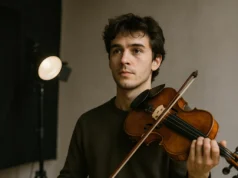



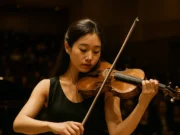


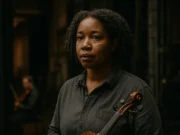
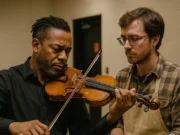
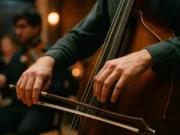


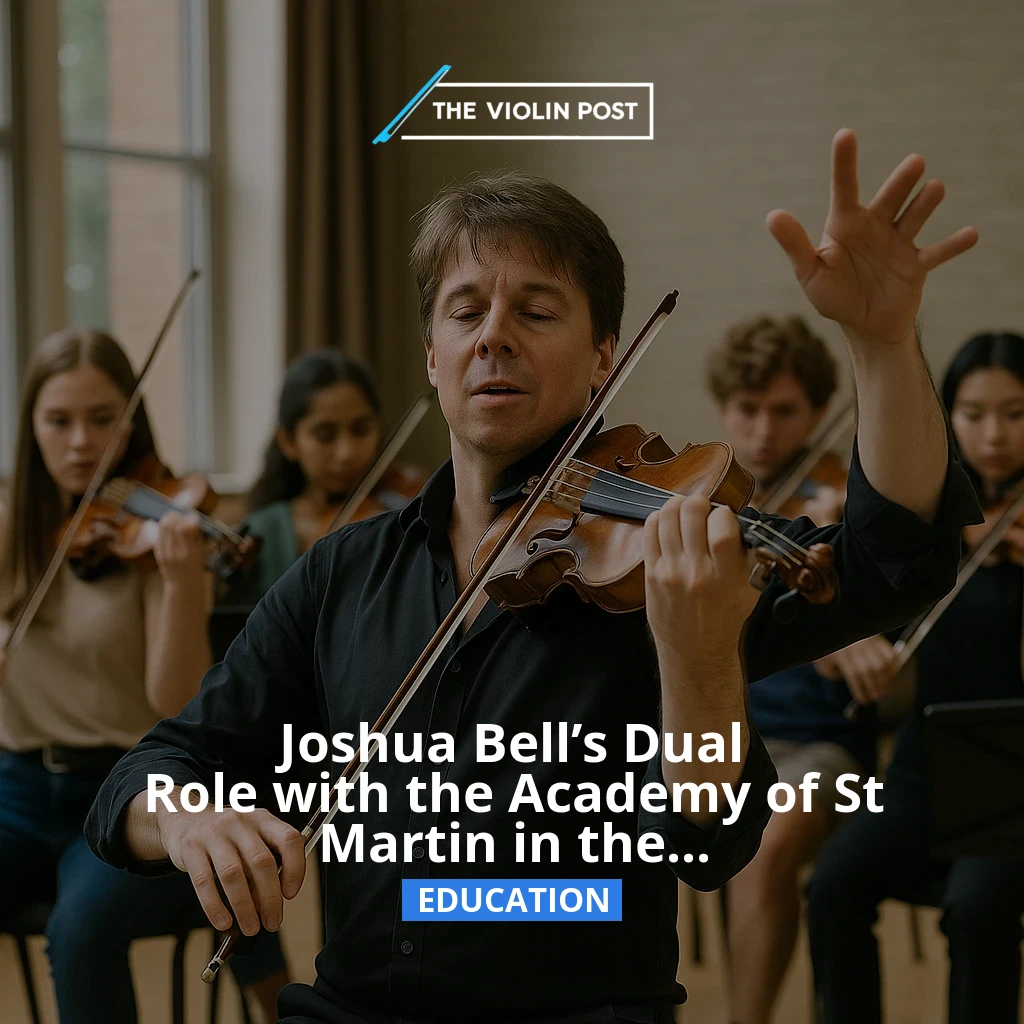
Joshua Bell, renowned violinist and conductor, has further cemented his association with the Academy of St Martin in the Fields. This partnership is noteworthy for the dual capacity in which Bell approaches music-making—both as a solo violinist and as a conductor leading the ensemble from the concertmaster’s podium. This blending of roles invites a fresh examination of leadership dynamics in chamber orchestra settings.
A Career of Musical Versatility
Bell’s reputation as one of the most gifted violinists of his generation rests on extraordinary technical prowess combined with a warm tonal palette and insightful musicianship. Over the years, he has expanded his artistic identity to include conducting, a natural extension of his intimate understanding of orchestral texture and phrasing. By embracing both roles simultaneously with the Academy, Bell revives a tradition dating back to the 18th century when violinist-leaders often guided ensembles without a separate conductor.
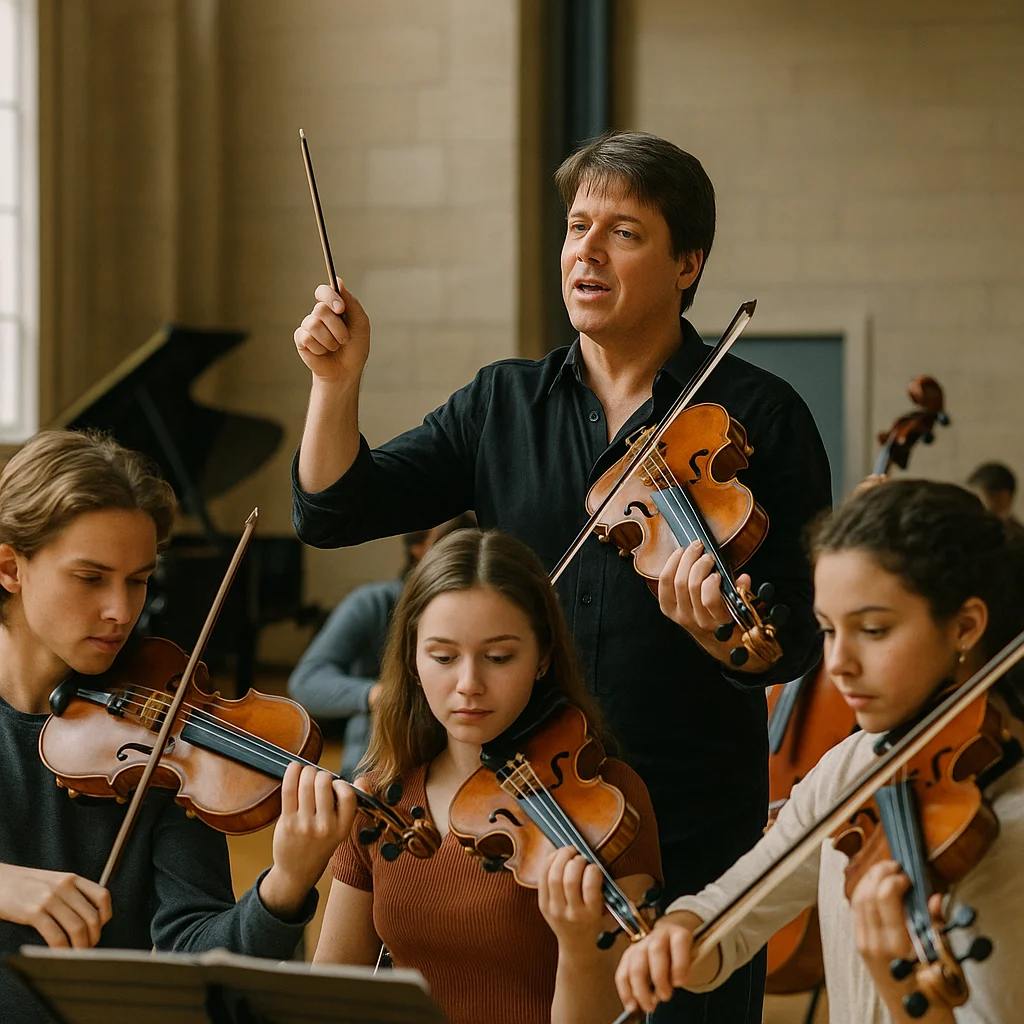
The Academy of St Martin in the Fields, established in 1958, is recognized globally for its precision, transparency, and eloquent interpretations of Baroque through classical and contemporary repertoire. Their collaboration with Bell signals a mutual commitment to leadership models that prioritize musical conversation and flexibility rather than conventional front-facing baton leadership.
Impact on Performance and Audiences
Bell’s dual leadership offers interpretative immediacy and a heightened sense of cohesion. Musicians within the Academy benefit from the direct musical dialogue that ensues when direction originates from within the string section, fostering nuanced communication and ensemble responsiveness.
Audiences, in turn, witness a more organic interaction between soloist and orchestra, where the conductor’s gestures merge with the physical expressiveness of the violinist. This approach can deepen engagement with the music’s subtleties, enhancing live concert experiences.
Furthermore, Bell’s example may encourage other leading soloists to adopt conducting roles within chamber orchestras, thereby diversifying artistic leadership and expanding interpretive possibilities.
Broader Significance for Violinists and Orchestras
This development holds particular interest for performers who seek multifaceted careers encompassing both solo and leadership responsibilities. For institutions and orchestras, it suggests new programming and leadership paradigms that balance traditional conducting with alternative models centered on chamber-led artistic vision.
The collaboration also resonates with violin students and young professionals, modeling how mastery of one’s instrument can serve as a platform for broader musical direction and creative input. It highlights the evolving skill set demanded in the classical music ecosystem, where versatility and adaptability are increasingly prized.
Why this matters
- Joshua Bell’s dual role exemplifies evolving leadership in chamber orchestras, relevant to performers and institutions
- Highlights a resurgence of conductor-less or violinist-led ensemble traditions, informing interpretive approaches
- Offers a model for violinists expanding into conducting, affecting career trajectories and pedagogical focus
- Enhances audience engagement through integrated soloist-conductor performance dynamics
- Signals potential shifts in programming and organizational leadership within orchestras worldwide
Related topics
- The historical role of the concertmaster as orchestra leader in 18th-century performance practice
- Balancing soloist careers and conducting: challenges and opportunities in modern classical music
- Innovations in chamber orchestra leadership and their impact on ensemble cohesion and interpretation
Editorial Commentary
Educational developments deserve attention because training environments often determine the future health of the classical music sector. The opportunities available to students today shape the artistic standards, professional habits, and creative ambitions of tomorrow.
For teachers, families, institutions, and emerging performers, stories in this area provide context on how learning, mentorship, and access continue to influence the evolution of the string community.
About The Violin Post
The Violin Post is an international editorial platform dedicated to violin making, classical performance, competitions, instruments, and the wider culture of the string world.
Its coverage connects news reporting with specialist context for readers interested in performers, makers, educators, institutions, and musical heritage.
Related Articles
- Experience Klassiek Academy Bridges Education and Professional Touring for Emerging Classical Musicians
- Joseph Lin Brings Insight and Expertise to Emerging Violinists in Recent Master Class
- Comprehensive Guide to Summer Music Programs for 2026 Offers Opportunities for Aspiring Musicians
— The Violin Post Editorial Staff