

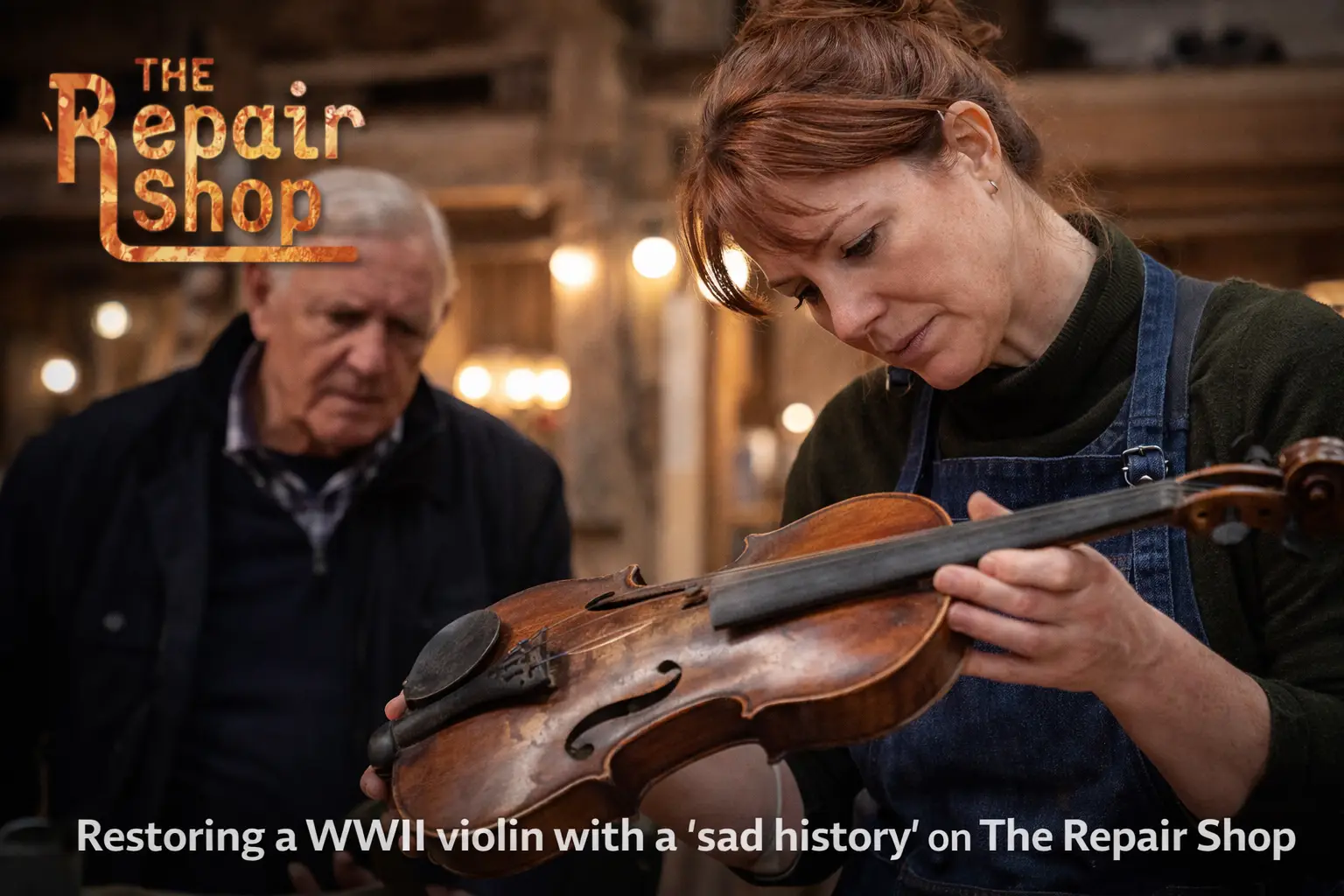
Restorers on the BBC series The Repair Shop were left deeply moved by the story of a violin bearing the scars of the Second World War, after learning it once belonged to a Jewish musician forced to play for Nazi propaganda inside a concentration camp.
The damaged instrument, dry, cracked and hanging together by little more than memory, was brought to the programme by Peter, a widower from Blackpool. His wish was to see the violin restored in honour of his late wife Margaret and her grandfather, Siegmund Feitl, the instrument’s original owner.
A violin marked by trauma
Born in Vienna in 1876, Siegmund Feitl was a professional musician who played in nightclubs across the city before the outbreak of war. Following the German invasion of Austria, he was deported to Theresienstadt, a camp used by the Nazis as a so-called “model ghetto”.
Theresienstadt held around 140,000 Jewish prisoners, including artists and intellectuals. While the Nazis staged concerts and cultural events for visiting dignitaries and the Red Cross to disguise the camp’s true conditions, the reality was brutal: approximately 90,000 inmates were deported to extermination camps, and a further 33,000 died from starvation, disease, and mistreatment.
Siegmund was ordered to assemble an orchestra and perform for visiting officials, creating musical scores for fellow prisoners as part of this calculated deception. Although he survived, the psychological impact was profound. After liberation, he never played the violin again.
A family heirloom silenced
The violin eventually returned home with Siegmund, but remained silent for the rest of his life. After his death in 1963, it passed down through the family to his granddaughter Margaret, who treasured its history. Following her death more than a decade ago, her husband Peter resolved to fulfil her long-held wish to see the instrument playable once more.
Unfortunately, years spent displayed above a fireplace left the violin badly dehydrated and structurally compromised. Cracks ran through the wood, the strings hung loose, and the instrument appeared on the verge of collapse.
“I’d love to hear The Blue Danube played on it,” Peter said, recalling Margaret’s favourite piece. “She would have loved that.”
“Such a poignant and sad history”
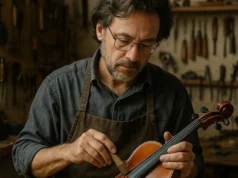
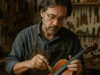
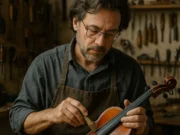
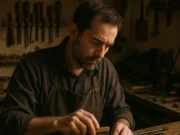
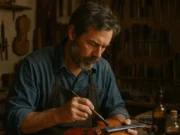
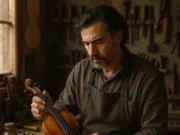
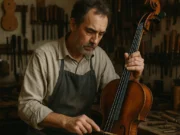
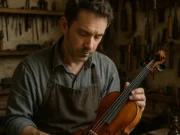
The task of restoring the violin fell to Becky Houghton, the show’s specialist instrument conservator. From the moment she handled it, the emotional weight of the object was clear.
“I don’t think I’ve ever held anything in my hands with such a poignant and sad history,” she said. “I feel very responsible for this instrument. It really deserves some care and a happy future.”
Houghton identified multiple challenges, including splits in the timber and the effects of prolonged heat exposure. Of particular importance was preserving the original fingerboard.
“This is where Siegmund’s hands touched,” she explained. “I have to preserve this at all costs.”
While cracks are common in instruments of this age, Houghton admitted she feared finding damage severe enough to compromise the violin’s voice forever.
“What a sad history this violin has had,” she reflected. “I would like it now to have a really happy future.”
Memory, music, and responsibility
As Peter recounted Siegmund’s experiences, he became visibly emotional, describing how his wife had begged her grandfather to play for her as a child—only to be gently refused. The trauma was never spoken of directly, but it lived on in silence.
The violin’s story is one of many featured in The Repair Shop World War II, a companion book marking the 80th anniversary of the conflict’s end. In its introduction, woodwork specialist Will Kirk reflects on the programme’s role in preserving memory.
“For a lot of people, World War II represents a strong link to their family,” he writes. “One of the privileges we have at The Repair Shop is listening to such histories. The phrase ‘lest we forget’ is never far from our minds.”
Now available to stream on BBC iPlayer, The Repair Shop continues to demonstrate how objects—especially musical instruments—can carry history not only in their materials, but in the silence they leave behind.
— The Violin Post Editorial Staff