
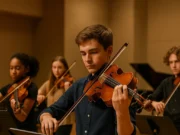
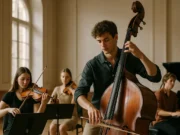
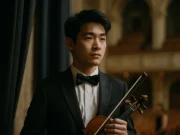
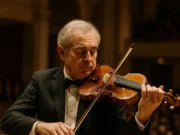
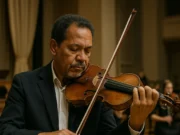
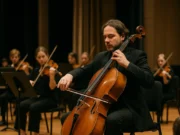
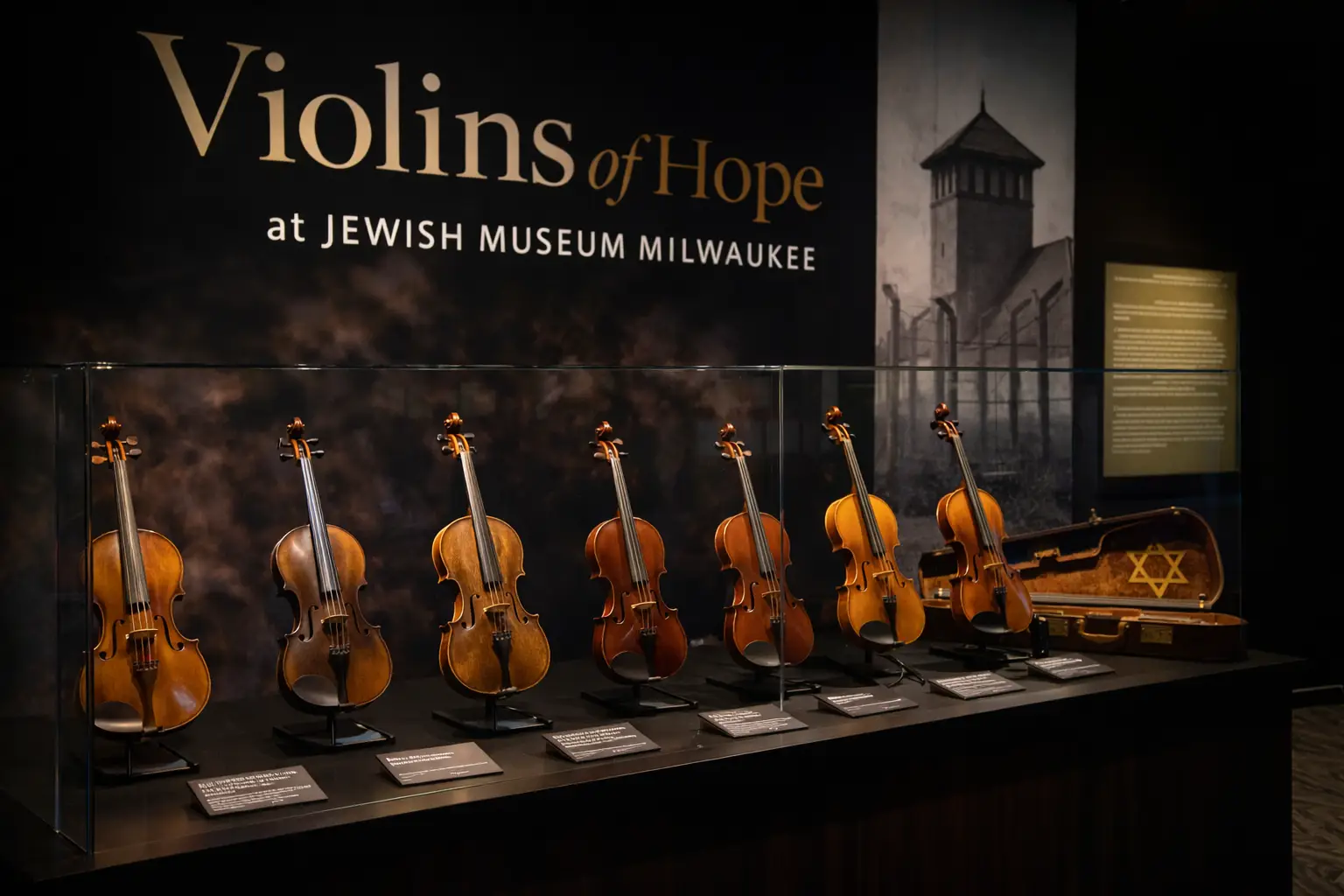
The Jewish Museum Milwaukee is hosting Violins of Hope, the internationally renowned exhibition and concert series that uses restored string instruments as powerful witnesses to Jewish life before, during, and after the Holocaust.
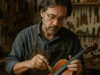
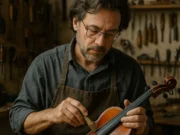
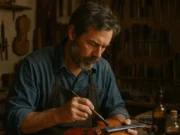
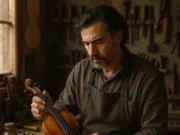
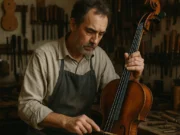
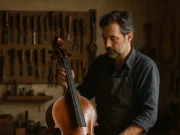
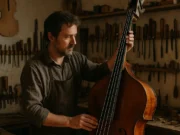
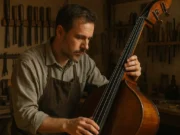
Created by Israeli luthier Amnon Weinstein and continued by his son Avshalom Weinstein, Violins of Hope brings together violins, violas, and cellos once owned and played by Jewish musicians across Europe during the 1930s and 1940s. Many of these instruments survived ghettos, concentration camps, and forced displacement, carrying with them personal stories of persecution, resilience, and survival.
Instruments as historical testimony
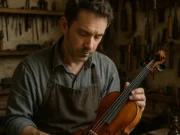
Unlike traditional museum artefacts, the instruments of Violins of Hope are not silent. They are meticulously restored and returned to performance condition, allowing them to be heard once again in concerts, educational programmes, and community events. Each instrument is accompanied by documentation tracing its provenance—sometimes fragmentary, sometimes deeply personal—connecting audiences directly with the lives of their former owners.
The exhibition at Jewish Museum Milwaukee places these instruments within a broader historical and cultural context, exploring how music functioned as an act of resistance, solace, and identity under Nazi oppression. For many musicians, playing or even possessing an instrument was a means of psychological survival, while for others it became a tragic marker of lives interrupted.
A global project with local resonance
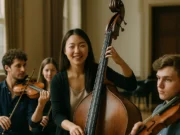
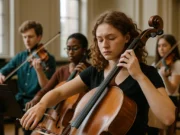
Since its inception, Violins of Hope has been presented in major cities and cultural institutions around the world, including Jerusalem, Rome, Paris, London, Cleveland, and New York. Each host city adapts the project to its own community, often incorporating performances by local orchestras, student ensembles, and soloists alongside lectures, film screenings, and survivor testimonies.
At Jewish Museum Milwaukee, the project resonates strongly with the region’s Jewish history and educational mission. By combining exhibition displays with live music, the museum invites visitors not only to learn about the past, but to experience it in a deeply sensory and emotional way. The sound of these instruments—many of which had been silent for decades—serves as a reminder that the individuals who once played them were not abstract victims of history, but artists, students, professionals, and family members.
Music, memory, and responsibility
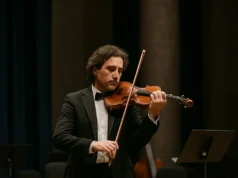
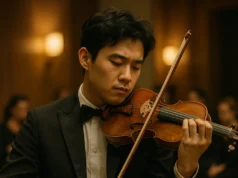
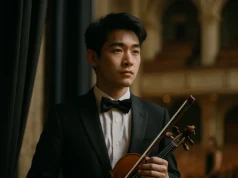
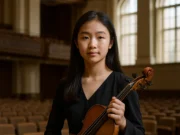
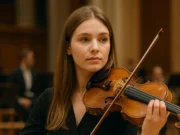
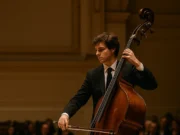
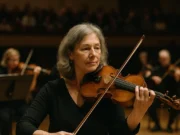
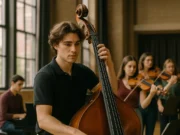
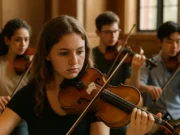
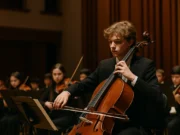
Central to Violins of Hope is the idea that remembrance is an active process. By placing restored instruments into the hands of contemporary musicians, the project creates a bridge between generations. Performers are often encouraged to reflect on the history of the instrument they are playing, reinforcing the ethical and emotional responsibility that comes with giving voice to these objects.
Educational outreach is a key component of the project. School visits, masterclasses, and discussions address not only Holocaust history, but also broader themes of intolerance, discrimination, and the role of art in times of crisis. In this way, Violins of Hope speaks as much to the present as it does to the past.
An enduring legacy
More than a travelling exhibition, Violins of Hope functions as a living archive. Each restored instrument expands a collective narrative that continues to grow as new stories are uncovered. The project underscores the enduring power of music to preserve memory, foster empathy, and affirm human dignity even in the aftermath of profound trauma.
The presentation at Jewish Museum Milwaukee adds another chapter to this ongoing journey, reaffirming the role of cultural institutions in safeguarding history while engaging new audiences through art. In allowing these instruments to be seen—and heard—once again, Violins of Hope transforms remembrance into a shared, resonant experience.
— The Violin Post Editorial Staff