
Why even the greatest orchestral masterpieces can provoke joy, fear… or quiet despair
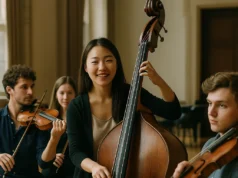
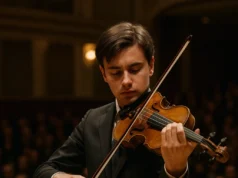
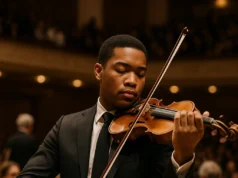
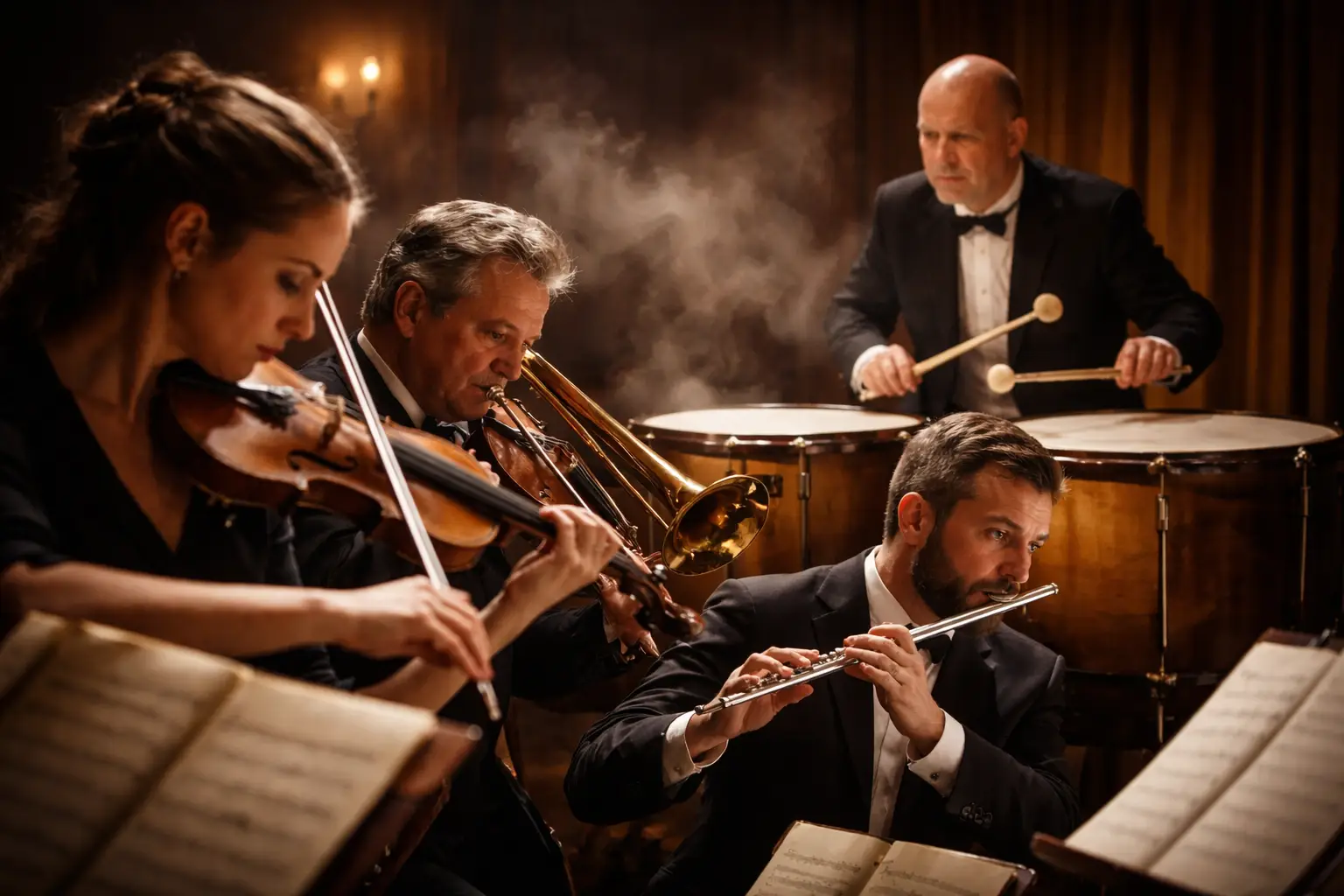
Watching a top symphony orchestra in full flight can feel like witnessing pure magic. The sound is seamless, the gestures elegant, the collective focus absolute. Yet beneath that polished surface lies a more human reality: musicians counting furiously, managing nerves, suppressing boredom, and occasionally questioning their life choices – all in formal concert dress.
Orchestras, after all, are not machines. They are made up of highly trained, deeply emotional individuals. And while audiences hear only the final result, players experience every bar from the inside. Some works inspire genuine excitement when they appear on the schedule; others provoke a private wince and a long glance towards the nearest fire exit.
To find out which pieces fall into each category, we asked orchestral musicians across the sections to name their dream scores and their dread scores. The results reveal a fascinating mix of technical challenge, psychological pressure, and sheer musical pleasure – with one composer, perhaps unsurprisingly, appearing again and again.
When the writing feels made for you
For string players, fulfilment often comes when a composer truly understands their instrument. Violinists frequently single out Gustav Mahler, whose symphonies combine emotional depth with intricate inner parts. His Ninth Symphony, in particular, offers long, expressive lines that make players feel woven into something larger than themselves – especially in the hushed final Adagio, where ensemble unity becomes almost spiritual.
Cellists and violists, meanwhile, speak with near-universal admiration of Richard Strauss. Works such as Don Quixote, Also sprach Zarathustra, and Ein Heldenleben provide technically demanding parts, prominent solos, and a sense of narrative rarely afforded to inner voices. For principals, these scores can feel less like orchestral duties and more like concerto experiences embedded within the symphonic fabric.
Woodwind players echo this sentiment when discussing composers who balance colour and individuality. Flutists regularly cite Ravel’s Daphnis et Chloé as a pinnacle of orchestral writing: daunting in isolation, but exhilarating in performance. Oboists praise Brahms for giving them lyrical freedom and structural importance, while clarinettists often revel in the expansive romanticism of Rachmaninov’s Second Symphony.
Even percussionists have their moments of glory. Wagner’s Ring cycle is frequently described as the ultimate timpanist’s canvas, demanding everything from thunderous power to barely audible mystery – a rare opportunity to shape drama from the back of the orchestra.
When perfection becomes pressure
Yet the very qualities that make a piece great can also make it terrifying. Exposure is a recurring theme. A single soft entry, a lonely solo, or an opening bar that determines the pitch for the entire orchestra can turn an otherwise beloved masterpiece into a source of dread.
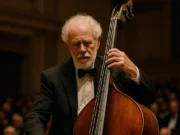
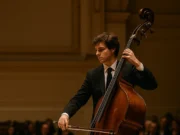
Mahler appears again here – not because his music is disliked, but because it leaves players nowhere to hide. Double bassists, for instance, speak with a mixture of pride and fear about the famous solo in the First Symphony, where a single instrument must fill a silent hall with fragile irony.
Cellists point to Elgar’s Enigma Variations, a work they adore, yet one that opens and closes a variation with eight stark notes of unaccompanied cello. The music is simple; the responsibility enormous.
Brass players often cite similar anxieties. Horn players famously lose sleep over the exposed opening of Bruckner’s Fourth Symphony, where the entire atmosphere rests on a single, precarious line. Timpanists feel comparable tension in Beethoven’s Violin Concerto, where four quiet strokes at the very start reveal – instantly and publicly – whether the tuning is perfect or disastrously off.
When boredom is the real enemy
Not all nightmares stem from difficulty. For some musicians, repetition is far worse than risk. Violists and trumpeters alike admit that certain minimalist or ceremonial works can feel interminable, requiring endless counting with little musical engagement. Bassoonists joke that Bruckner’s symphonies offer long stretches of silence punctuated by the occasional semibreve, while trombonists view Ravel’s Boléro as eight minutes of waiting followed by one brutally exposed high solo.
These reactions are not criticisms of the music itself, but reflections of how differently a score feels from inside the orchestra compared to the concert hall.
A human view of great music
What emerges from these confessions is not cynicism, but passion. Musicians care deeply about the repertoire – so deeply that even the most revered masterpieces can provoke fear, frustration, or exhaustion alongside love and admiration.
The next time you attend a concert, it may be worth remembering that behind every glowing chord lies a complex mix of exhilaration and anxiety. The magic is real – but so is the sweat that makes it possible.
— The Violin Post Editorial Staff