
Musical Instrument Museums
Typically, museums dedicated specifically to musicians operate as independent entities. In contrast, the majority of the approximately 75 musical instrument collections exist as departments within broader institutions, such as universities, research institutes, or museums focused on technology, cultural history, or the arts at state, regional, or municipal levels.
These museums can be categorized based on the focus of their collections. Some adopt a broad perspective, exhibiting a wide range of instruments from European traditions and occasionally from non-European musical cultures. Their mission includes preserving, cataloguing, and expanding their holdings, interpreting these instruments within the contexts of musical and cultural history, and investigating and communicating their construction, function, and usage.
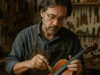
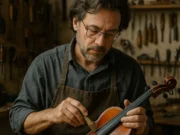
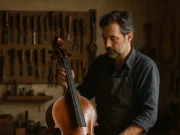
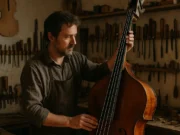
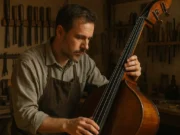
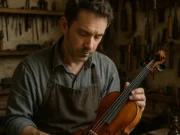
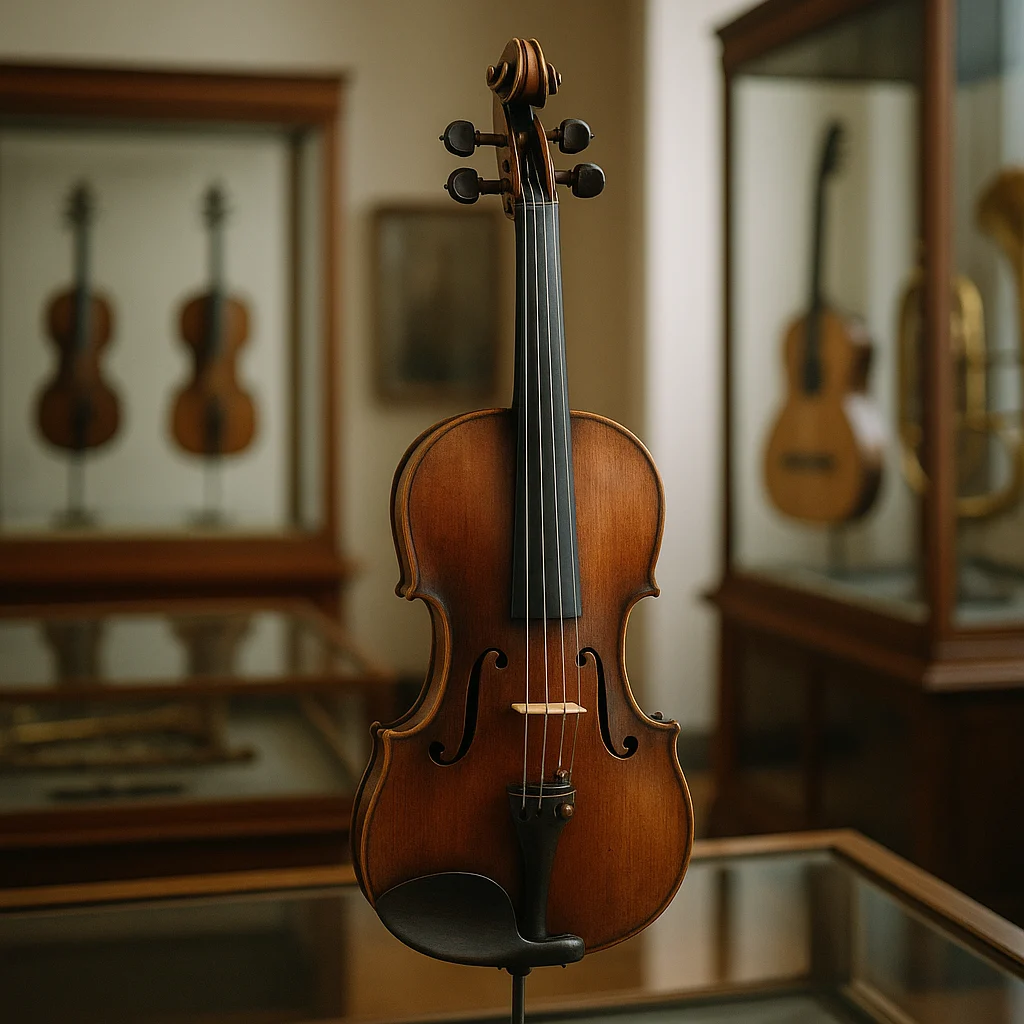
Other museums specialize exclusively in certain families of instruments, such as keyboard instruments, brass instruments, or musical automata. These institutions delve into the technological development, craftsmanship, and applications of their specific instrument groups, often highlighting the relationship with local history. For instance, in 1930, the Museum of Violin Building was founded in Mittenwald, a historic hub of violin making. This museum reflects the area’s 300-year tradition of violin craftsmanship.
Similarly, the Musical Instrument Museum in Markneukirchen represents the cultural heritage of the Vogtland region—known in Germany as the ‘music corner.’ Established in 1883 by the Markneukirchen Trade Association, this museum began as a ‘trade museum’ serving practical purposes. It offered local instrument makers models for creating instruments and educational materials for instructors at the instrument-making trade school, ensuring the industry remained informed about international advancements.
While many prominent collections trace their origins to the 19th century, the instruments themselves often derive from private collectors or were once owned by noble courts or aristocratic families. For example, the Bavarian National Museum in Munich houses the unique historical instrument collections of the Wittelsbach dynasty from the 17th and 18th centuries, alongside instruments from the court’s former music directorate.
Smaller yet significant collections include the Historical Keyboard Instrument Foundation, part of the Neumeyer Junghans Tracey Collection at Bad Krozingen Castle. Renowned nationally and internationally for its exclusive inventory, this collection, like many others, was formed by dedicated private collectors.
Among the leading institutions globally are the musical instrument museums at Leipzig University and in Berlin. The Berlin museum’s history began in 1888 with the creation of a collection of old musical instruments under the guidance of celebrated violinist Joseph Joachim and musicologist Philipp Spitta at the Royal Academic High School of Music. Starting with 34 instruments from the Prussian Chamber of Art, the collection expanded in 1902 through acquisitions from Leipzig publisher and music dealer Paul de Wit and Ghent solicitor César Snoeck.
Initially exhibited in Cologne’s Wilhelm Heyer Museum of Music History in the early 1900s, these collections transferred to Leipzig University in 1926 as an educational resource. Today, the Berlin museum boasts approximately 3,600 instruments spanning art music from the 16th to the 20th centuries.
The Leipzig University Musical Instrument Museum also traces its origins to the collections of Paul de Wit. It currently holds more than 9,000 objects that illustrate the development of European musical instruments from the Renaissance era to the present day. Its diverse holdings include mechanical instruments, historical sound recording devices, instruments from non-European cultures, and an extensive iconographical collection. Both institutions were initially established to support studies at their respective local music schools or universities.
— The Violin Post Editorial Staff