






Many people may be unaware that horsehair is an indispensable material in various historical and contemporary applications—most notably in the making of violin bows. This fascinating fact, while well-known among musicians, remains a novelty to others. Beyond music, horsehair has been utilized in a wide array of objects and industries over centuries.
Horsehair in Violin Bows
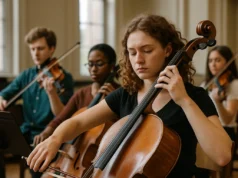
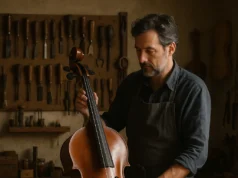
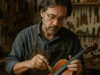
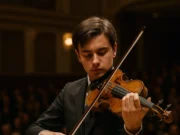
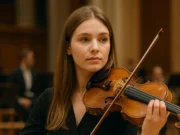
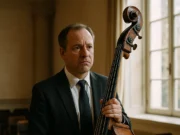
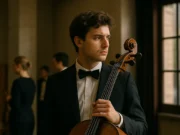
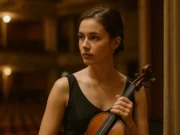
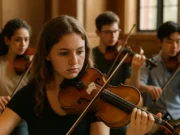
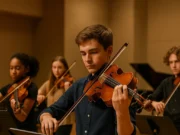
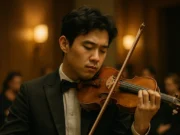
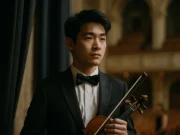
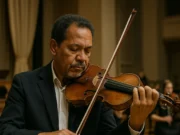
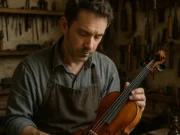
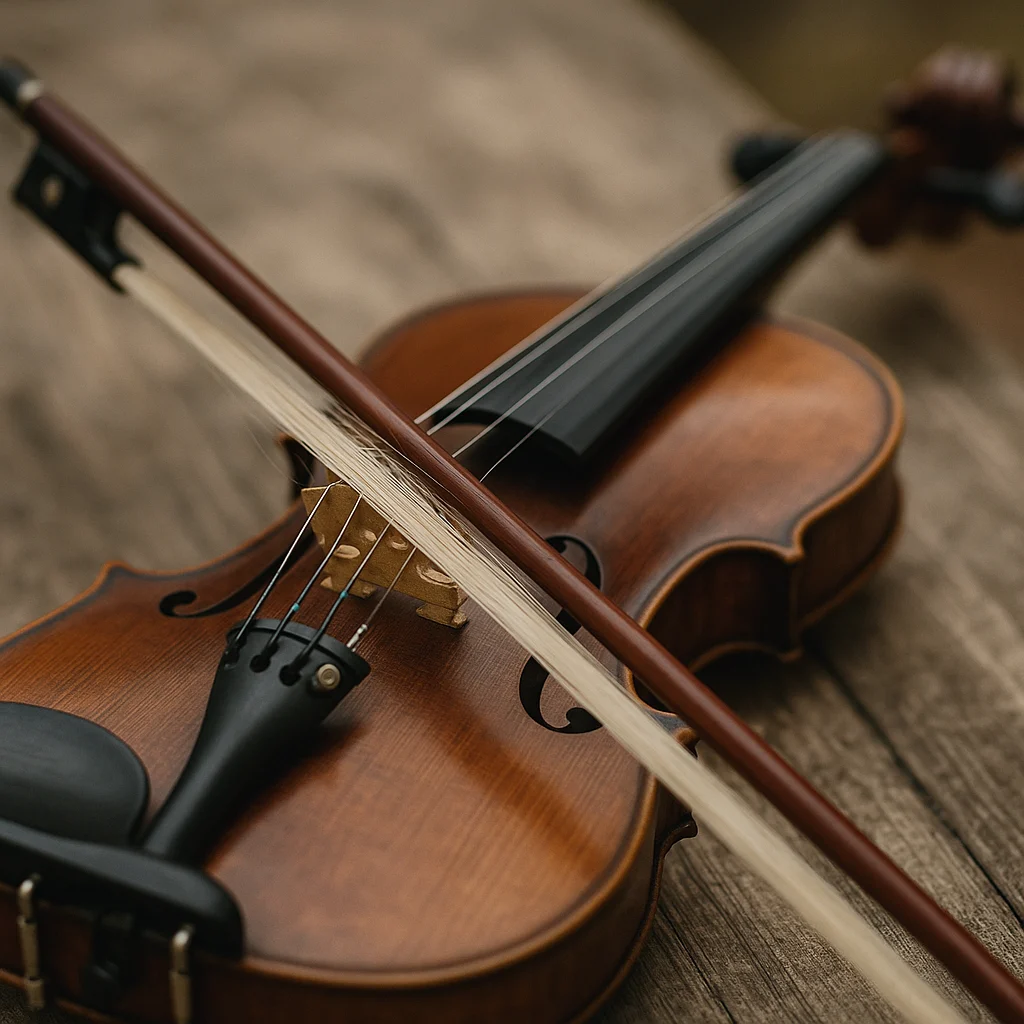
For over 400 years, violin bows have been traditionally strung with horsehair. Despite numerous modern advancements, synthetic alternatives have failed to match horsehair’s exceptional qualities. Even beginners can discern the stark difference, underscoring horsehair’s irreplaceable role in stringed instrument performance.
The hair used is typically sourced from the tails of horses living in colder climates such as Mongolia, Russia, and Canada. The colder weather results in thicker hair, which is particularly suitable for bows. The microscopic scales on the hair’s surface enhance grip and release on the strings, enabling the precise vibrations that produce the violin’s characteristic sound.
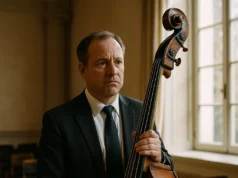
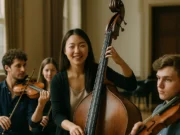
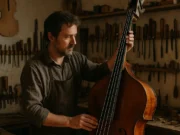
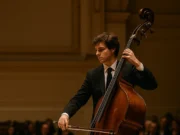
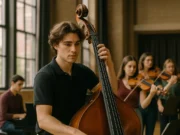
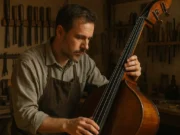
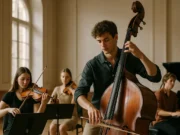
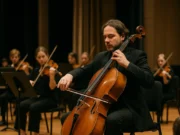
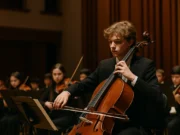
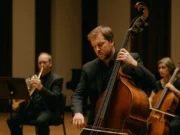
Interestingly, players of higher-pitched string instruments favor white horsehair due to its finer texture, while bass players prefer coarser black hair that better grips thicker strings. Some bassists even opt for a combination of black and white horsehair.
Top-level violin bows, which can cost upwards of $8,000, require their hair to be naturally white and uniform, as bleaching diminishes hair strength and performance. Most horsehair for bows is collected from horses processed in slaughterhouses, with strict selection criteria ensuring only the best quality hair—free from kinks or unwanted coloration—is used.
Horsehair in Wig Making
The term “wig” derives from “periwig,” a style popularized in the 17th century by King Charles II. These wigs were often crafted from horsehair, a practice that continues today. Horsehair remains a favored material, especially for courtroom wigs and specialty hairpieces, because its texture and styling versatility closely resemble human hair—even if some may find personal hair less comparable.
Horsehair in Dance Floors
Unique sprung dance floors have incorporated horsehair to enhance resilience and comfort. Vancouver’s Commodore Ballroom, established in 1930, uses coiled horse tail hair beneath its floor to provide ideal absorption, protecting dancers’ joints. Similarly, Saskatchewan boasts two such horsehair-sprung dance floors at the Danceland Ballroom and the Jack Millikin Center. These rare applications highlight horsehair’s functional benefits in flooring design.
Horsehair in Textiles
Beginning in the mid-1700s, horse tail hair was woven with cotton or silk to create durable and lustrous fabrics. Esteemed designers like Chippendale and Hepplewhite incorporated horsehair textiles into their furnishings, valuing the material’s local availability and ease of maintenance. Today, horsehair fabrics remain in use; luxury handbags from brands such as Akris showcase this material, fetching high prices reflective of their craftsmanship. Custom bedding, including pillows and mattresses stuffed with horsehair, further demonstrates its ongoing niche applications.
The Gibson Girl Hairstyle
In the early 1900s, the iconic Gibson Girl hairstyle featured voluminous, poufy hair achieved by styling over “rats”—not real rodents, but pads made from ratted horsehair wrapped in fabric. These hair supports provided the structure needed for the signature pompadour look of the era.
Additional Uses of Horsehair
Horsehair’s versatility extends into numerous other areas such as fine art brushes, shaving brushes, fishing lines and flies, plaster reinforcement, pottery, baskets, yarn, hats, crinolines, and bustles. Its many uses throughout history underscore the invaluable contributions of horses beyond transportation and sport.
Indeed, the enduring utility of horsehair reflects the profound and often underappreciated relationship between humans and horses throughout history.
Sources: CPR.org, Akris.com, Horsehairfabrics.com, Johnboydtextiles.co.uk, Mycustombedding.com
Feature Image credit: Rebecca Berry Photography
— The Violin Post Editorial Staff