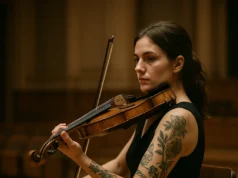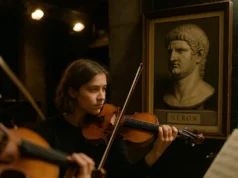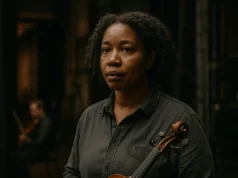


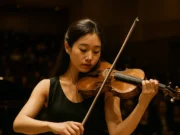



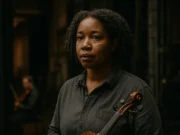


As the classical music community marks Women’s History Month, a curated weekly playlist has emerged, spotlighting the rich and diverse contributions of women to violin repertoire and performance. This initiative not only celebrates individual artistry but also addresses a longstanding need to bring female composers and performers to the forefront of a tradition often dominated by male narratives.
A Focus on Representation and Recognition
The emphasis on women within classical music is growing steadily, yet the voices of female musicians—composers, instrumentalists, and conductors alike—remain underrepresented in programming and recording projects. Curated efforts like themed playlists serve a dual purpose: they educate and inspire audiences while providing a platform for artists who have historically received less attention.
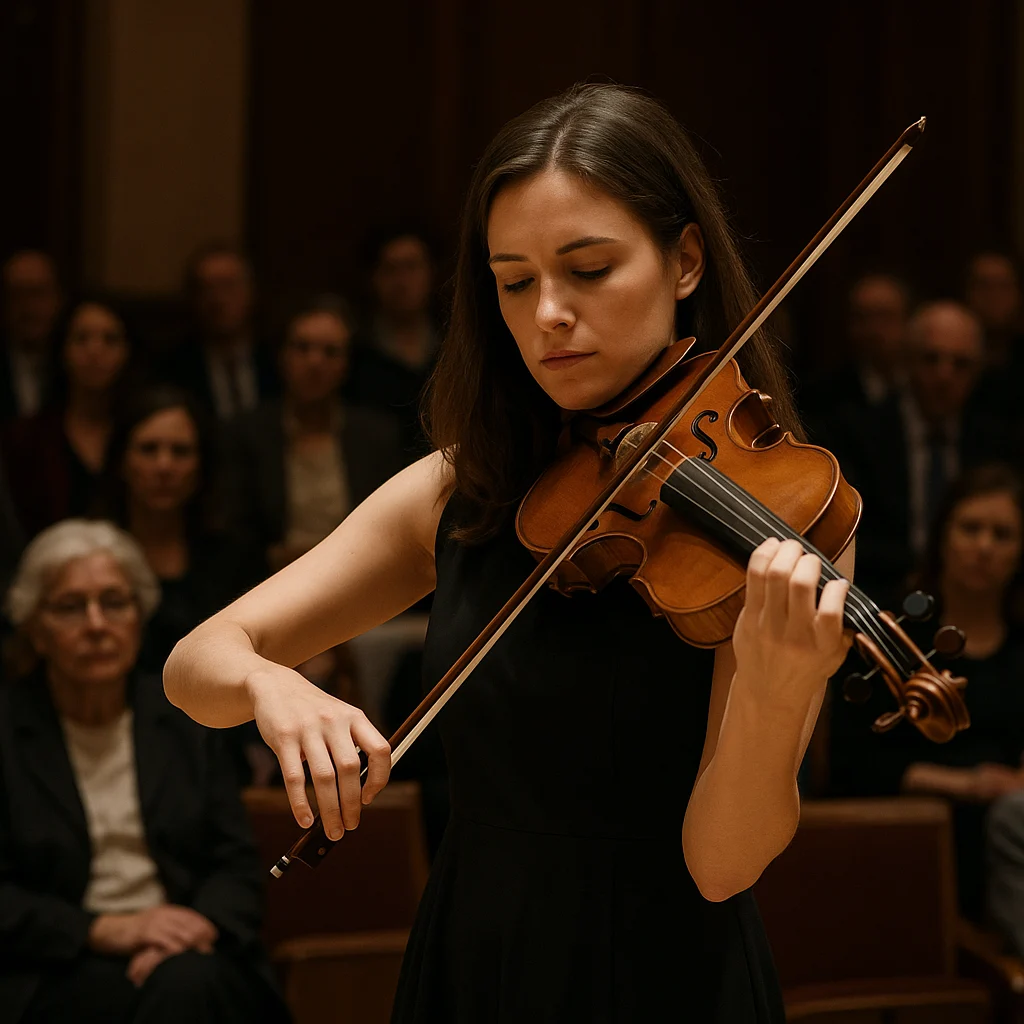
For violinists and string players, these playlists offer fresh perspectives, introducing listeners to repertoire that might otherwise remain overlooked. By celebrating performers whose careers illuminate different eras and styles, from Baroque to contemporary, the playlist underscores the versatile contributions women have made to the string world.
Why Playlists Matter in Shaping Classical Music Culture
In the digital age, playlists function as accessible gateways into specialized repertoires and histories. For students and educators, they provide curated listening experiences that support learning and exploration beyond the standard canon. For audiences and collectors, these compilations can prompt renewed curiosity and investment in recording projects that diversify their listening habits.
For orchestras and festivals, engaging with thematic collections centered on female musicians can enrich programming choices, offering audiences a broader narrative and supporting gender equity in the arts. Such visibility can also inspire the next generation of performers and composers, signaling that their work is valued and celebrated.
Looking Ahead: The Broader Impact
Efforts to spotlight women in classical music align with wider institutional goals of inclusion and diversity. As the classical ecosystem becomes more reflective of its audience and cultural landscape, initiatives like Women’s History Month playlists help cultivate a more nuanced and inclusive understanding of musical heritage.
While the playlist itself is a modest step, it symbolizes a growing recognition within the community: that acknowledging and sharing the achievements of women enriches the art form for everyone.
Why this matters
- The playlist addresses gender imbalance by highlighting female musicians and composers during Women’s History Month.
- It serves as an educational resource for students, educators, and performers seeking diversified repertoire and histories.
- Programming that includes women’s work encourages more inclusive concert seasons and recording projects.
- Audience exposure to these artists broadens appreciation and market support for underrepresented voices.
- This initiative signals ongoing shifts toward equity in the classical music landscape.
Related topics
- The role of curated digital content in shaping classical music consumption
- Challenges and opportunities for women in violin and string performance careers
- How historical narratives influence programming choices in orchestras and festivals
Editorial Commentary
Historical coverage is essential because the string world is built on continuity: repertories, techniques, schools of craftsmanship, and performance traditions all gain meaning when they are understood in relation to what came before.
Articles like this therefore do more than document the past; they help readers interpret the present through a stronger awareness of musical heritage and of the people and ideas that shaped it.
About The Violin Post
The Violin Post is an international editorial platform dedicated to violin making, classical performance, competitions, instruments, and the wider culture of the string world.
Its coverage connects news reporting with specialist context for readers interested in performers, makers, educators, institutions, and musical heritage.
Related Articles
- The Myth of Nero’s Fiddle: Separating Fact from Fiction in Ancient Rome
- Nashville Woman Recognized as First Recorded Black Female Violin Maker in the U.S.
- Historic Collaboration Emerges Between Nashville’s Trailblazing Luthier and Celebrated Black Violinist
— The Violin Post Editorial Staff