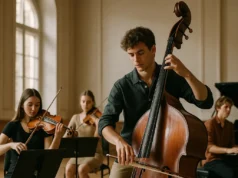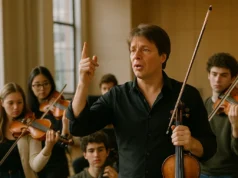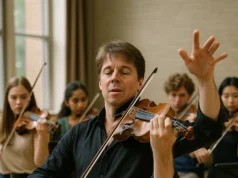








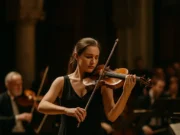
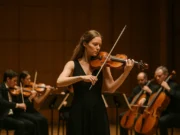
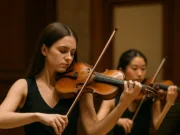
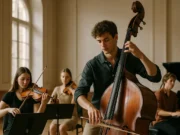
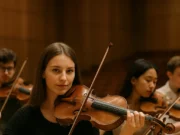
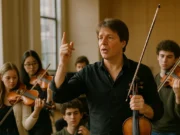
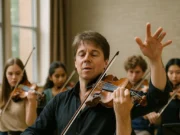





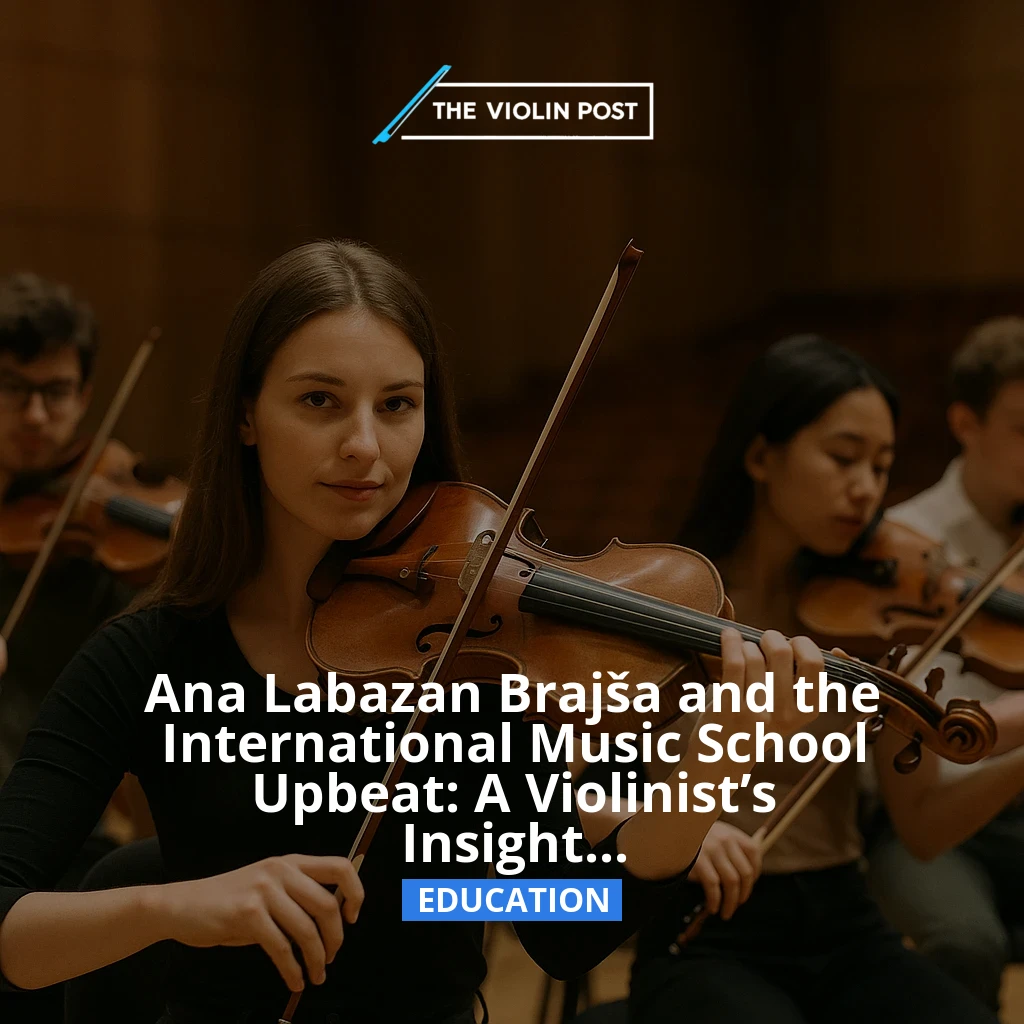
A fresh perspective on violin pedagogy emerges from the International Music School Upbeat, with violinist Ana Labazan Brajša offering first-hand reflections on how this institution is shaping contemporary classical music education. Her insights provide valuable context to performers, educators, and aspiring musicians navigating the evolving landscape of violin training.
An intimate view of educational innovation
Ana Labazan Brajša, a dedicated violinist with a deep connection to pedagogy, presents a nuanced account of her engagement with the International Music School Upbeat. This institution, known for integrating diverse pedagogical practices and fostering creativity within classical music training, serves as a fertile ground for emerging artists seeking to blend traditional techniques with modern interpretative approaches.
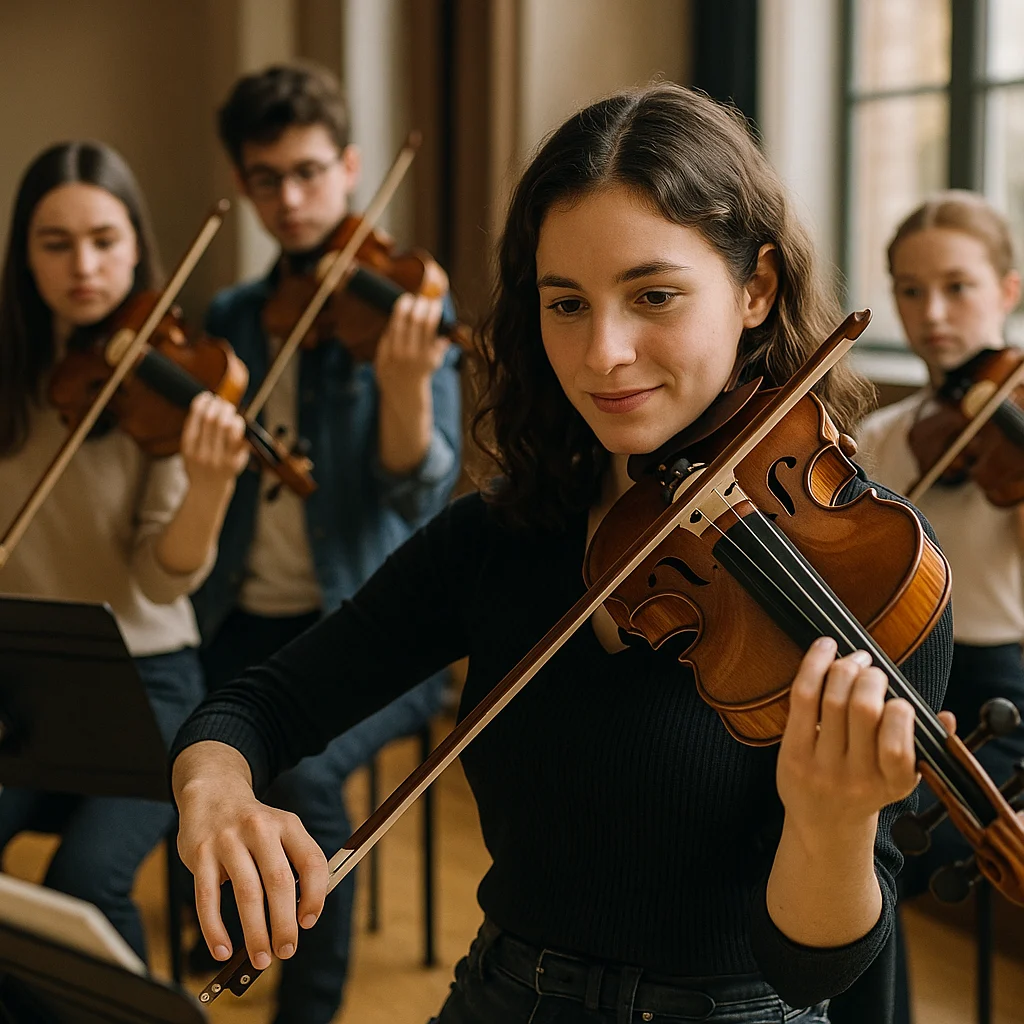
Labazan Brajša’s experience highlights the school’s commitment to personalized mentorship, encouraging students to explore individual artistry while grounding their development in rigorous technique. This balance is essential in cultivating musicians who are not only technically proficient but also artistically expressive.
Relevance to the violin community and beyond
The reflections offered by Labazan Brajša resonate beyond the school’s walls, touching on broader themes relevant to professional development in classical music. For performers, understanding such progressive environments provides insight into how emerging violinists are coached to navigate musical and career challenges in the 21st century.
Educators gain perspective on effective strategies that reconcile tradition with innovation, fostering environments where students can flourish authentically. Additionally, institutions and competition organizers may find inspiration in the school’s methods to support and showcase new talent effectively.
Contextualizing within the classical music ecosystem
The International Music School Upbeat’s approach reflects a growing global trend towards holistic music education. By integrating technique, creativity, and mentorship, it addresses the multifaceted demands placed on contemporary musicians—from interpretation and collaboration to personal development and audience engagement.
Labazan Brajša’s experiences underscore the importance of such institutions in sustaining classical music’s vitality, ensuring that the next generation of violinists is equipped not only with skill but with adaptive resilience and artistic vision.
Looking forward: implications and opportunities
The insights provided by Labazan Brajša open dialogue about the future directions of violin pedagogy. As musical landscapes continue to shift, schools like International Music School Upbeat become critical in shaping dynamic, versatile musicians capable of thriving within evolving artistic contexts.
For students and professionals alike, engaging with these educational models offers a pathway towards meaningful growth, while reinforcing the enduring relevance of the violin repertoire and performance practice.
Why this matters
- It spotlights innovative teaching methods shaping contemporary violinists’ artistic and technical development.
- The insights are pertinent for performers, educators, and institutions invested in nurturing emerging talent.
- Understanding this approach informs broader discussions on sustaining classical music’s relevance and accessibility.
- It highlights the vital role of personalized mentorship in music education’s future.
- Readers can anticipate evolving pedagogical trends affecting career trajectories and the classical music ecosystem.
Related topics
- The integration of creativity and technique in string pedagogy
- The role of specialized music schools in professional development
- Challenges and opportunities in 21st-century violin performance training
Editorial Commentary
Educational developments deserve attention because training environments often determine the future health of the classical music sector. The opportunities available to students today shape the artistic standards, professional habits, and creative ambitions of tomorrow.
For teachers, families, institutions, and emerging performers, stories in this area provide context on how learning, mentorship, and access continue to influence the evolution of the string community.
About The Violin Post
The Violin Post is an international editorial platform dedicated to violin making, classical performance, competitions, instruments, and the wider culture of the string world.
Its coverage connects news reporting with specialist context for readers interested in performers, makers, educators, institutions, and musical heritage.
Related Articles
- Joshua Bell Takes the Helm: Violinist and Conductor with the Academy of St Martin in the Fields
- Joshua Bell’s Dual Role with the Academy of St Martin in the Fields: Navigating Violinistry and Conducting
- Experience Klassiek Academy Bridges Education and Professional Touring for Emerging Classical Musicians
— The Violin Post Editorial Staff