












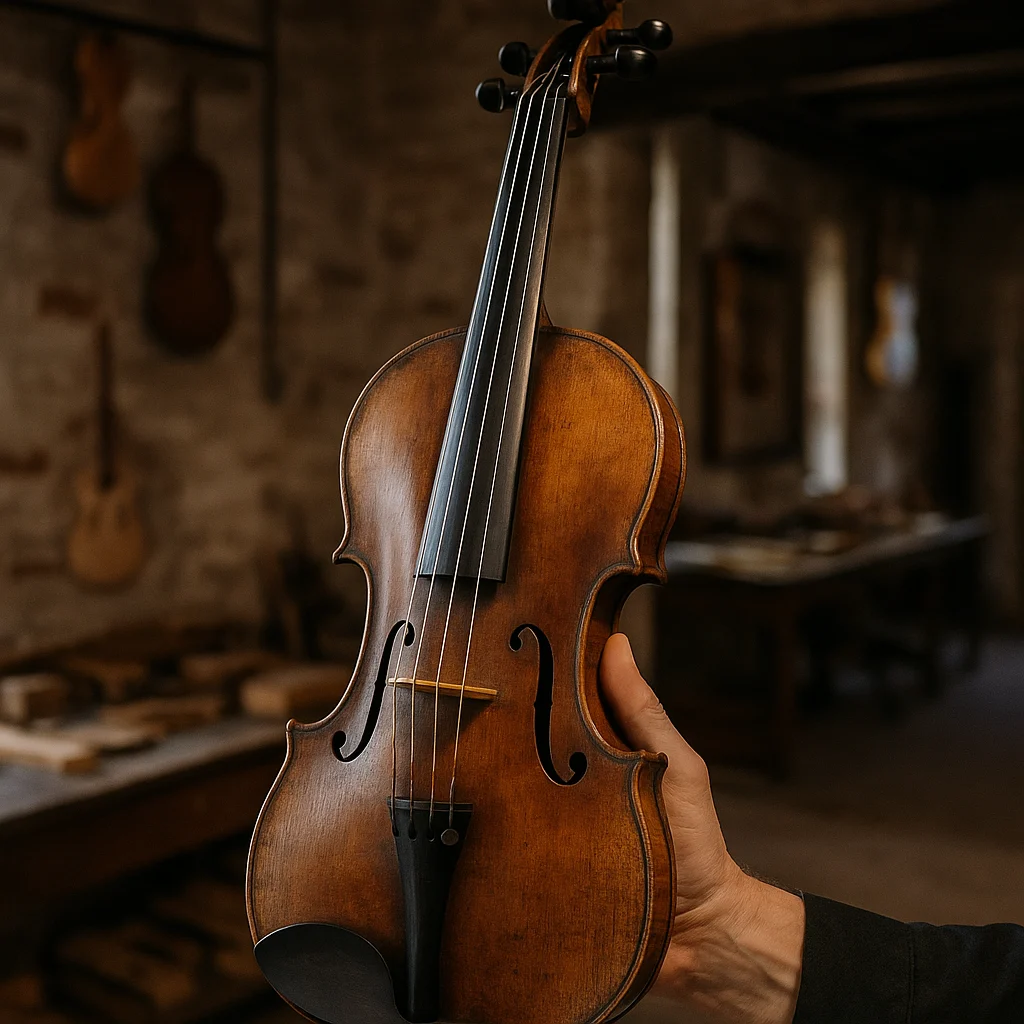
For more than 300 years, the world has been fascinated by the extraordinary craftsmanship and sonic quality of Antonio Stradivari’s string instruments. Now, aspiring violin makers and musicians have the rare opportunity to hone their skills in Stradivari’s own residence and workshop in Cremona, northern Italy, which has been transformed into a center dedicated to learning and musical pilgrimage.
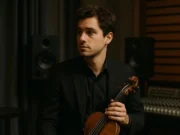
Violinist Fabrizio von Arx, who founded the organization that restored the historic site, emphasized the deep significance of the space. “The Stradivarius myth was born within these walls, and this is where Stradivari’s vision of the violin’s perfect resonance first took shape,” he said.
During a tour of the medieval-era building, von Arx, 47, described the palpable aura of the place. From 1667 to 1680, Stradivari—whose instruments bear the Latinized name Stradivarius—lived and worked here. The center recently opened its doors to visitors. Inside, original architectural features such as the beams in the living room have been restored, preserving the authentic atmosphere.
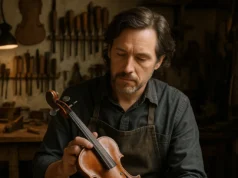
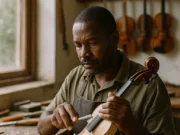
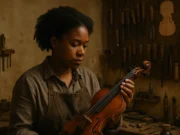
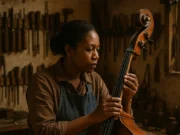
While the original ground-floor workshop where Stradivari crafted his instruments was relocated to another Cremona address and eventually demolished, the restoration included setting up two workbenches on the premises. These are now available for emerging luthiers to practice their craft. The facility will also host masterclasses for young musicians seeking to improve their technique.
The Enigmatic Roof Terrace and Historic Craftsmanship
A particularly notable feature of the house is the covered terrace on the roof, steeped in local legend. Von Arx explained its significance: “This is where Stradivari would hang his violins to dry under the setting sun. This practice contributed to the distinctive varnish colors we see today—shades of red, brown, and orange.”
Cremona has long been a hub for violin makers worldwide, and von Arx noted that Stradivari used the same varnish formulas common in the town. One possible reason for the unique tonal qualities of Stradivarius instruments is their exposure to Cremona’s climate—heat and humidity caused the violin wood to move and then stabilize, enhancing their sound. Von Arx commented, “The interaction with the elements helped improve the wood’s stability and acoustic properties.”
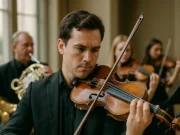
After work, Stradivari would gather with musician friends in the living room to listen, refine, and perfect the sound of his violins.
Legacy of Master Craftsmanship Continues in Cremona
Of the approximately 1,100 string instruments Stradivari crafted during his lifetime—he died in 1737 at age 93—about 650 are still in existence. Notably, the “Lady Blunt” violin, a Stradivarius, sold for $15.89 million in 2011, setting the record for the highest auction price for a violin.
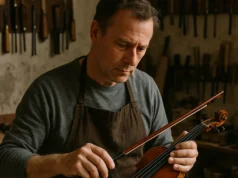
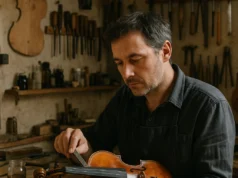
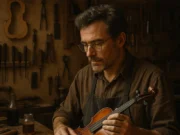
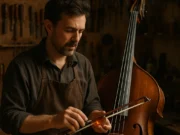
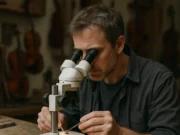
Today, Cremona remains a vibrant center for violin making, home to over 180 luthiers in a city with less than 70,000 inhabitants. French violin maker Benedicte Friedmann, aged 48, practices her craft in her Cremona workshop filled with traditional and modernized tools. It typically takes her around six weeks to complete a violin, employing techniques closely aligned with those used 300 years ago.
Friedmann, a trained violinist who personally tests her instruments, insists there is no secret “miracle formula” behind Stradivarius violins. However, she believes varnish played a crucial role, stating, “The varnish is vital acoustically; if it is too rigid, it restricts the vibrations of the violin.” She praised Stradivari for achieving both acoustic and aesthetic perfection, dubbing him an “unequalled master.”
Fausto Cacciatori, curator of Cremona’s Violin Museum, echoed these sentiments, attributing Stradivari’s legendary instruments to the master’s unique talent and relentless experimentation in pursuit of the perfect sound.
— The Violin Post Editorial Staff