

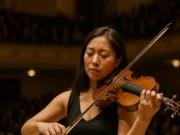
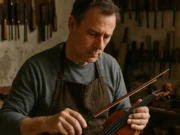
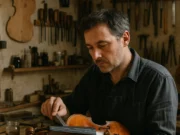
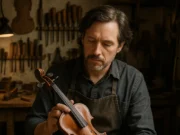



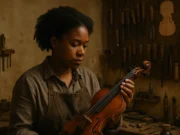
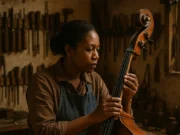

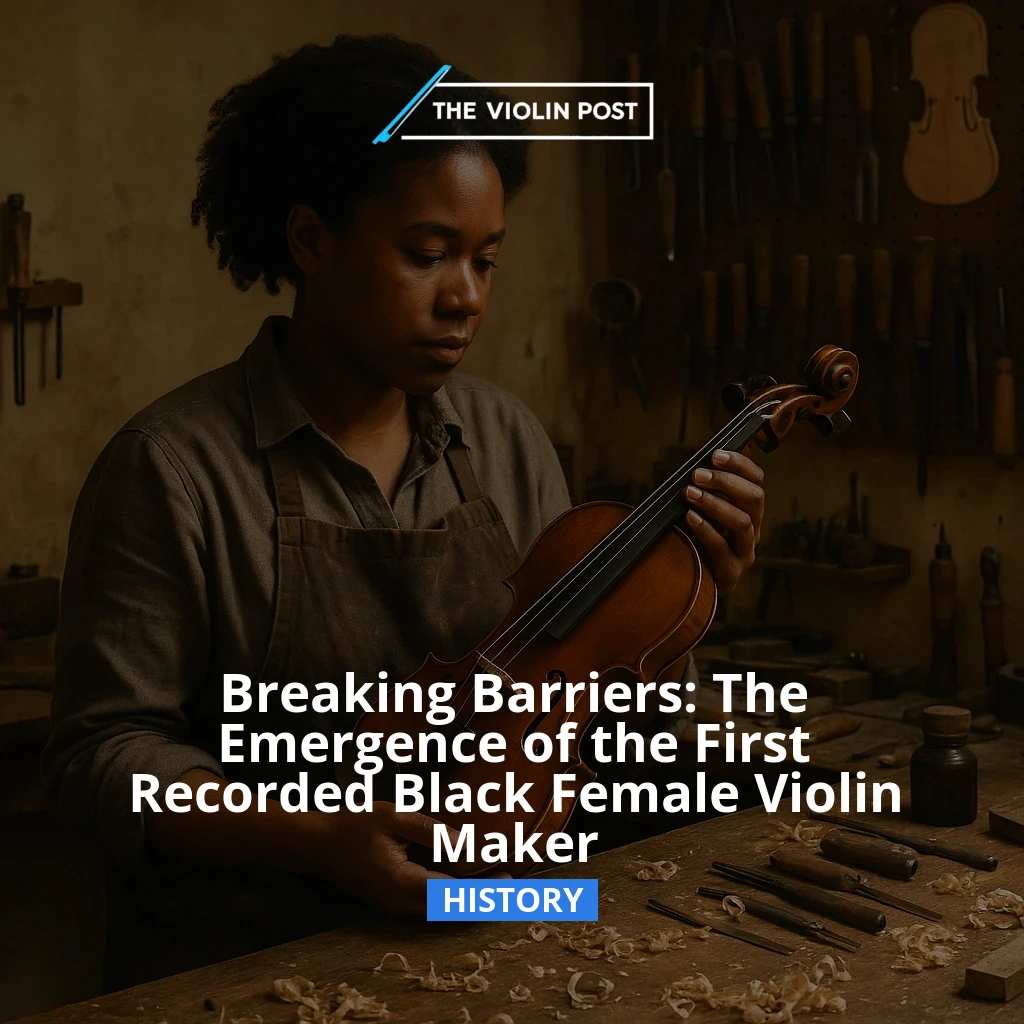
The world of violin making, steeped in centuries of tradition, has witnessed a groundbreaking development with the emergence of the first recorded Black female violin maker. This recognition is more than a personal achievement—it is a notable moment that challenges longstanding demographic and cultural narratives within the field of lutherie.
Contextualizing a Tradition-Bound Craft
Violin making has traditionally been dominated by European male artisans, many of whom have passed their craftsmanship down through generations. The craft demands a unique blend of artistic sensibility and technical precision, with violin makers carving, assembling, and varnishing instruments that may become treasured possessions of virtuosos worldwide. Within this skilled profession, diversity has often been overlooked, and opportunities for women—and especially women of color—have been scarce due to historical and systemic barriers.
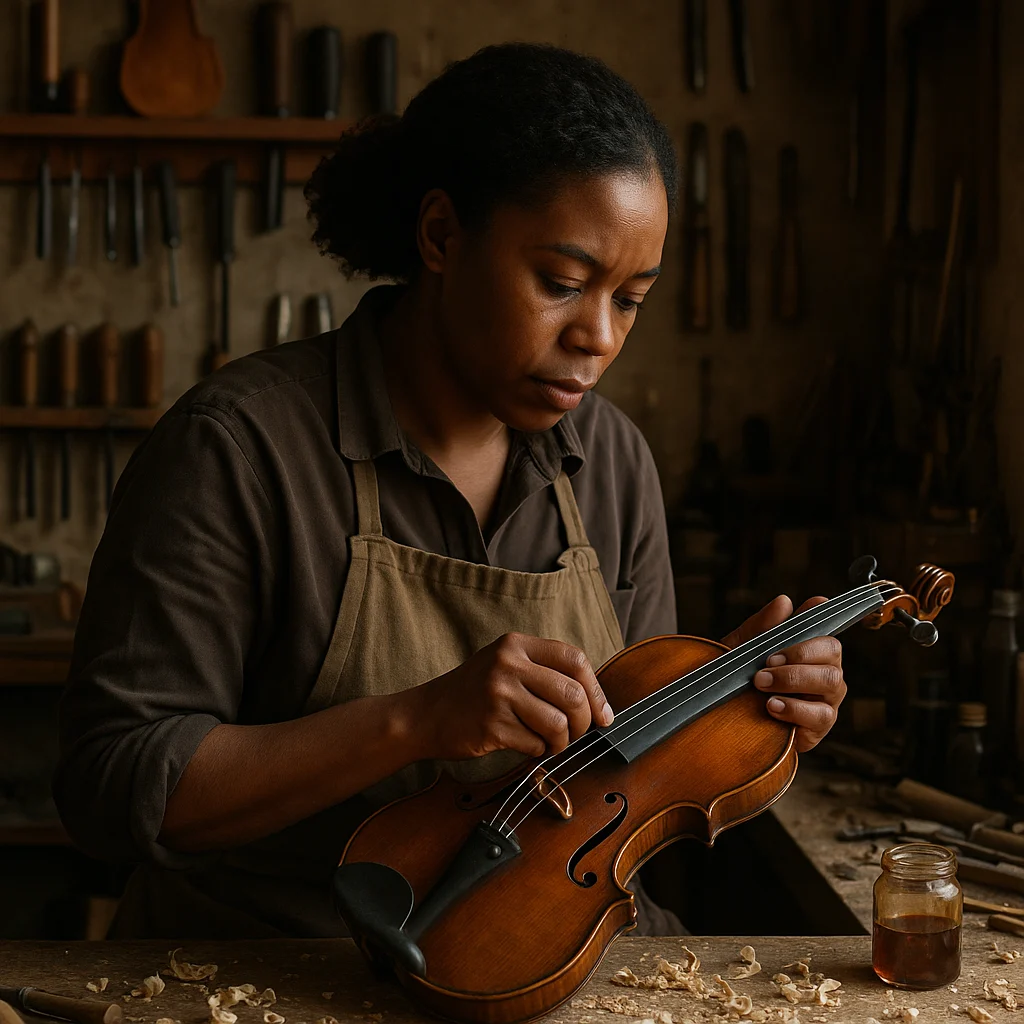
The recognition of the first Black female violin maker thus disrupts conventional narratives and raises awareness about the evolving demographics within classical instrument crafting. It underscores a gradual yet impactful shift toward inclusivity and representation in an area that has traditionally offered limited visibility to minority groups. This development serves as an explicit acknowledgment that the artistry of violin making transcends ethnicity and gender.
Implications for Performers, Makers, and the Classical Music Ecosystem
For performers, having a more diverse array of makers enriches the spectrum of available instruments and offers new perspectives on instrument design and acoustics. Students and aspiring luthiers can find inspiration in this milestone, seeing their identities and experiences reflected in a field where they may have felt invisible. The growing presence of Black women and other underrepresented groups in violin making has the potential to influence educational programs, workshops, and apprenticeships, fostering a more inclusive environment.
Instrument collectors and classical music institutions also play a crucial role as they increasingly recognize the cultural significance of supporting diverse craftsmanship. This moment may prompt broader institutional support, including exhibitions, commissions, and scholarly research highlighting contributions from underrepresented luthiers.
Moreover, this breakthrough complements ongoing conversations about equity in classical music—from orchestral hiring practices to programming repertoires—and encourages a holistic view that includes instrument creation as part of the ecosystem. The visibility of a Black female violin maker invites further exploration of how cultural narratives and historical exclusions shape the tools fundamental to performance.
Looking Forward: Toward Greater Representation and Innovation
While this milestone heralds progress, it also points to the work still needed to promote sustainable inclusion within violin making. Mentorship networks, funding opportunities, and exposure for emerging underrepresented artisans will be vital for nurturing talent and expanding the community. The recognition of a pioneer can catalyze interest and create pathways previously unavailable.
As the field embraces greater diversity, the future of violin making stands to benefit from myriad influences, new ideas, and distinct artistic voices. This evolution promises not only to honor tradition but to expand the horizons of craftsmanship and musical expression.
Why this matters
- It marks a significant step in dismantling historical barriers in a traditionally homogeneous craft.
- The milestone inspires aspiring luthiers from underrepresented communities by providing tangible representation.
- Classical music institutions and performers gain a broader cultural and artistic perspective through diversified instrument craftsmanship.
- It promotes critical discourse on inclusion that encompasses all facets of the classical music world, including instrument making.
- Signals potential growth in educational initiatives and support systems to cultivate diverse talent in lutherie.
Related topics
- The evolution of diversity and inclusion in classical music professions
- How instrument makers influence performance practice and repertoire choices
- Challenges and opportunities for women in violin making and classical music careers
Editorial Commentary
Historical coverage is essential because the string world is built on continuity: repertories, techniques, schools of craftsmanship, and performance traditions all gain meaning when they are understood in relation to what came before.
Articles like this therefore do more than document the past; they help readers interpret the present through a stronger awareness of musical heritage and of the people and ideas that shaped it.
About The Violin Post
The Violin Post is an international editorial platform dedicated to violin making, classical performance, competitions, instruments, and the wider culture of the string world.
Its coverage connects news reporting with specialist context for readers interested in performers, makers, educators, institutions, and musical heritage.
Related Articles
- Celebrating Women’s Contributions to Classical Music: A Curated Playlist for Women’s History Month
- Breaking Barriers: The First Documented Black Female Violin Maker’s Historic Emergence
- Reflecting on March 13 in Classical Music and Lutherie History
— The Violin Post Editorial Staff