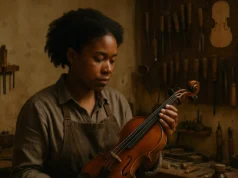


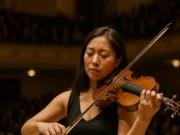
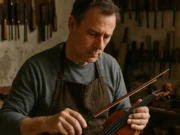
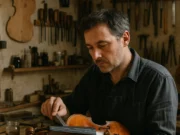
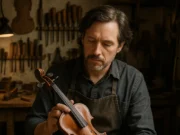
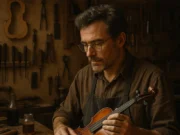
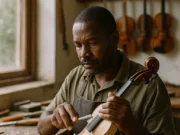
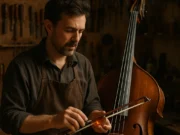


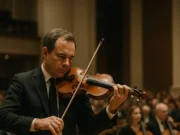
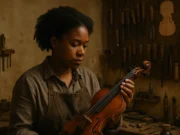
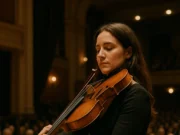
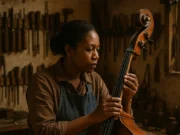

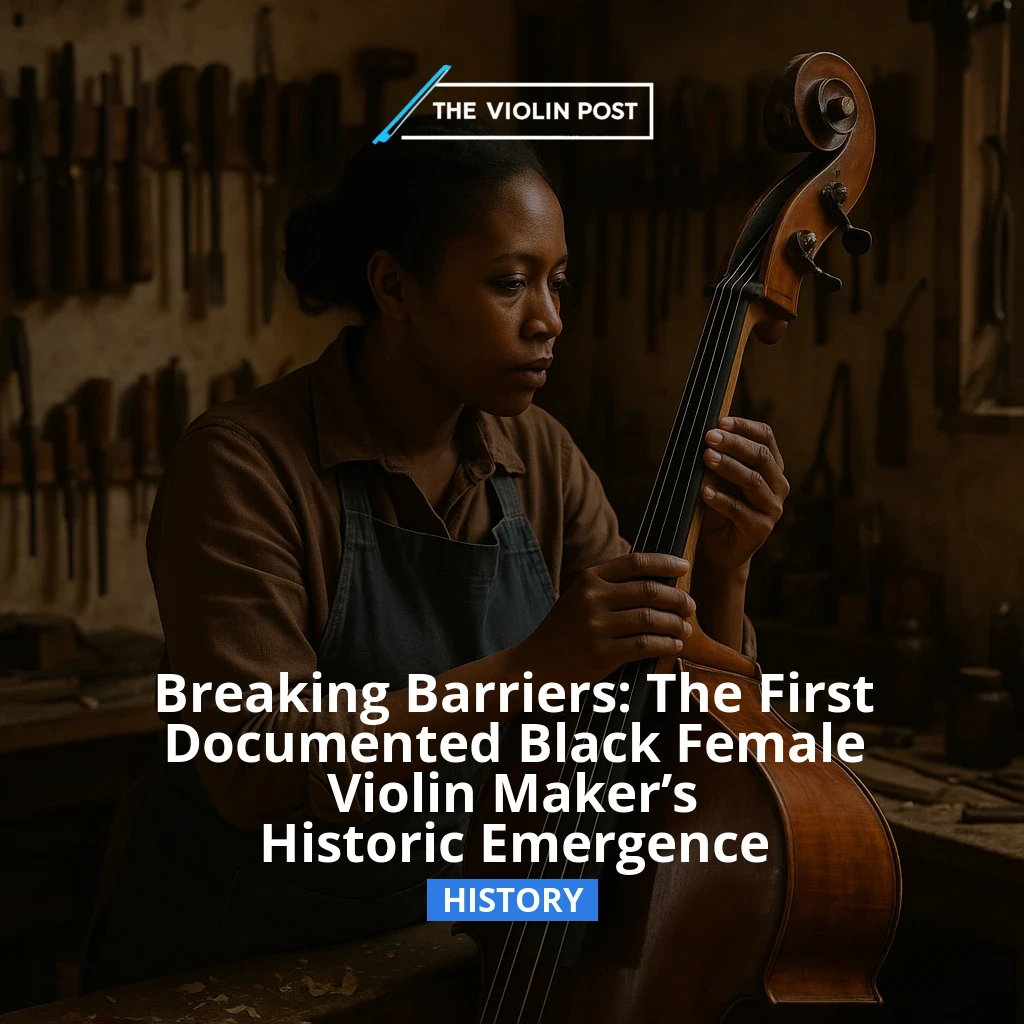
Violin making, or lutherie, has long been a craft steeped in tradition and historical homogeneity, predominantly dominated by European male artisans. The recent recognition of the first documented Black female violin maker marks a significant cultural and industry milestone. This emergence shatters longstanding barriers within an exclusive field, offering profound implications for equity and representation in the classical music community.
A Craft Rooted in Tradition, Now Poised for Inclusive Renewal
Lutherie, involving the meticulous art of constructing and repairing string instruments such as violins, violas, cellos, and double basses, requires years of dedicated apprenticeship and a nuanced understanding of both acoustics and aesthetics. Historically, this trade has passed through familial lines or insular guilds, often limiting access along gender and ethnic lines. The visibility of a Black female artisan excelling in this domain challenges entrenched assumptions about who holds the keys to this heritage, opening doors for broader participation.
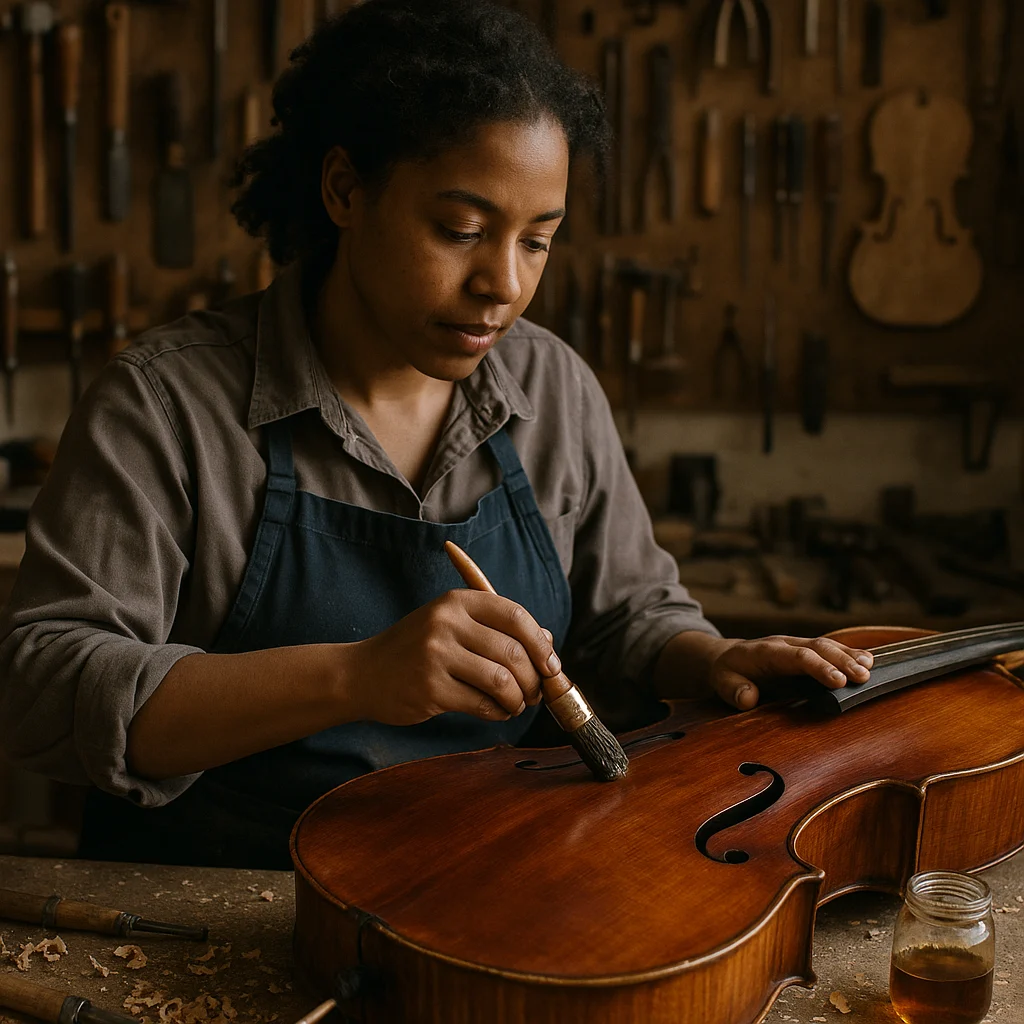
This breakthrough resonates most profoundly with several communities. For aspiring female luthiers and makers of color, it signals the possibility and legitimacy of a career path previously perceived as inaccessible. Music institutions and orchestras committed to diversity initiatives may find inspiration to foster inclusive collaborations and mentorships. Collectors and audiences, attuned to provenance and cultural narratives, gain a richer context for appreciating instruments crafted by underrepresented makers.
Implications for Performers, Makers, and the Classical Music Ecosystem
The impact of this development extends beyond individual recognition. Performers often seek instruments and repairs tailored to their personal artistry, and having access to luthiers of diverse backgrounds enables the musical community to reflect wider cultural experiences. The presence of a Black female violin maker enriches the lutherie ecosystem by contributing fresh perspectives on design, sound qualities, and cultural resonance.
Moreover, this milestone invites educational and institutional frameworks in music and craftsmanship to reassess curricula, apprenticeships, and outreach programs. Encouraging diversity within lutherie may inspire innovations that connect classical music more closely with varied audiences and practitioners.
Challenges Ahead and the Path Forward
Despite the significance of this accomplishment, the path forward remains marked by systemic challenges. Access to training, expensive materials, and networks for promotion pose obstacles that must be addressed collectively by institutions, funding bodies, and the community. Recognition alone does not dismantle long-standing inequities but serves as a call to deliberate action.
Continued documentation, support for emerging makers of all backgrounds, and increased visibility in industry forums and musical events will be essential steps. Efforts to celebrate this history-making artisan also underscore the importance of cultivating an environment where future trailblazers can thrive.
Why this matters
- It represents a landmark in diversifying a historically homogeneous craft and classical music ecosystem.
- Performs as an inspirational touchstone for aspiring female luthiers and makers of color worldwide.
- Encourages institutions and orchestras to invest in inclusive pathways for training and collaboration.
- Broadens audience understanding and appreciation of instrument provenance and cultural narratives.
- Signals a potential shift in the classical music industry towards embracing equity and innovation through diversity.
Related topics
- The role of mentorship and apprenticeships in breaking barriers in classical music trades
- How diversifying instrument makers influences tonal innovation and performance practice
- Strategies orchestras and conservatories employ to foster inclusion across all sectors of classical music
Editorial Commentary
Historical coverage is essential because the string world is built on continuity: repertories, techniques, schools of craftsmanship, and performance traditions all gain meaning when they are understood in relation to what came before.
Articles like this therefore do more than document the past; they help readers interpret the present through a stronger awareness of musical heritage and of the people and ideas that shaped it.
About The Violin Post
The Violin Post is an international editorial platform dedicated to violin making, classical performance, competitions, instruments, and the wider culture of the string world.
Its coverage connects news reporting with specialist context for readers interested in performers, makers, educators, institutions, and musical heritage.
Related Articles
- Reflecting on March 13 in Classical Music and Lutherie History
- Tattoos, Autonomy, and the Complex History Affecting Women
- Amplifying Voices: Celebrating Women in Classical Music Through Curated Playlists
— The Violin Post Editorial Staff