
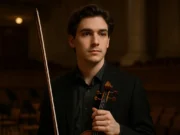
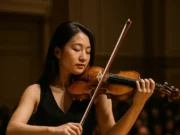
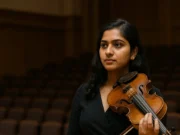
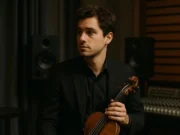
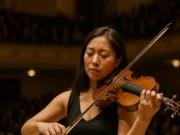
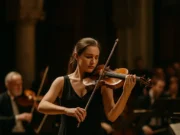
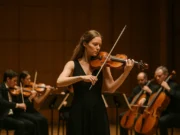
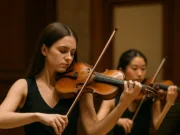

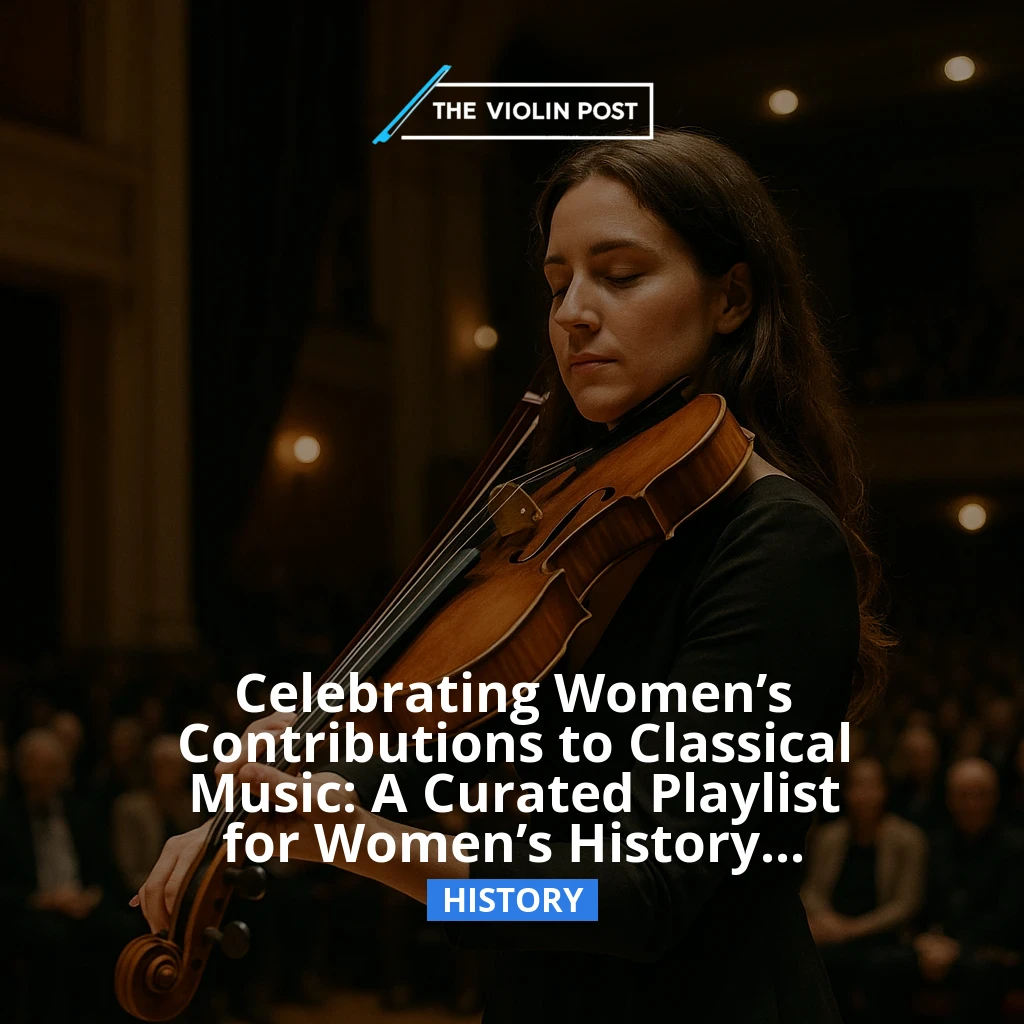
Each March, the classical music community takes part in honoring the artistic achievements of women throughout history. This observance is a reminder of the rich contributions women have made and continue to make in shaping the violin repertoire and classical music culture at large.
This year, one avenue for exploration is a thoughtfully assembled playlist spotlighting women composers and violinists, available on Apple Music. Such collections serve an important role, illuminating works often overlooked in traditional programming and providing listeners with a fresh perspective on the musical canon.
Women’s Voices in the Classical Tradition
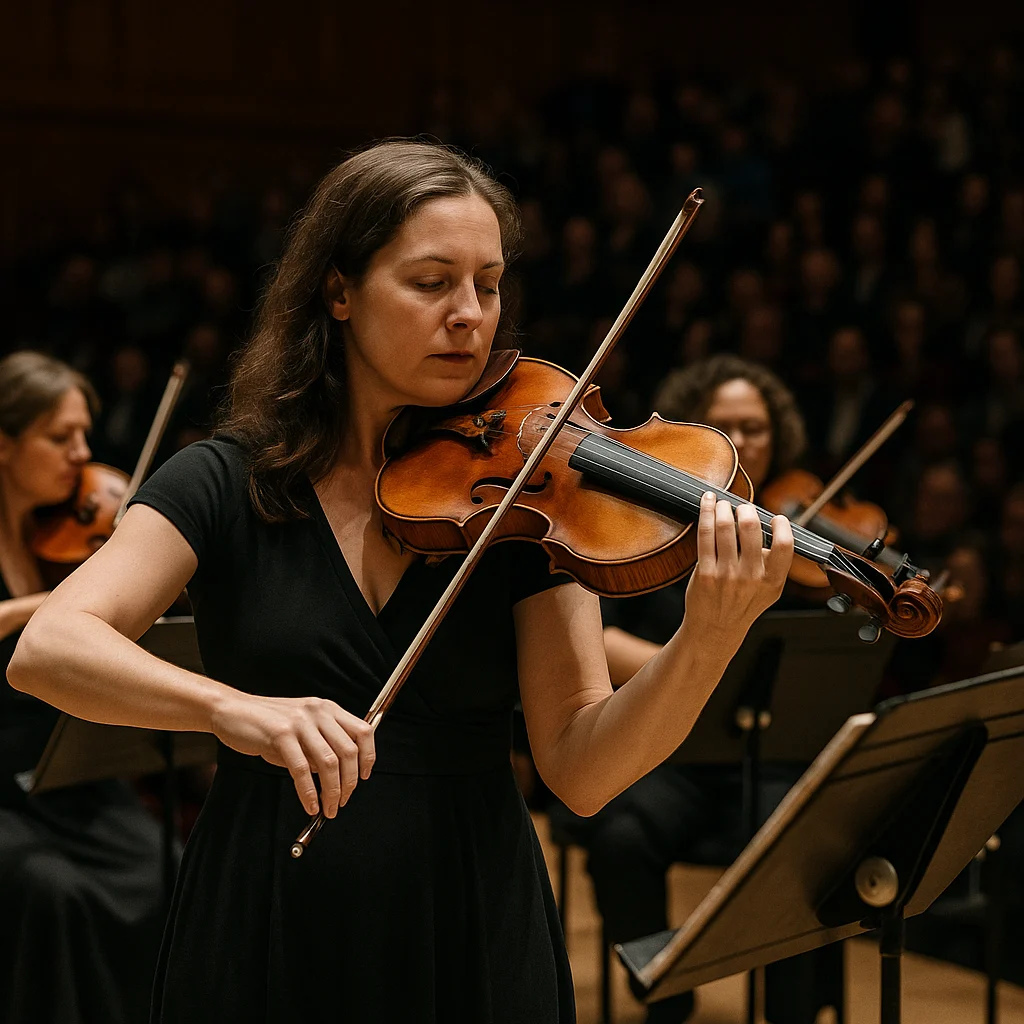
The classical music world has historically offered limited visibility to women creators and performers. However, female musicians have long crafted compelling compositions and forged influential careers, deserving of equal recognition. Curated playlists that feature their work help redress this imbalance by introducing audiences and performers to a broader spectrum of voices, styles, and eras.
For violinists, violists, and other string players, these compilations are not only a resource for discovering new repertoire but also a celebration of trailblazers who expanded technical and expressive possibilities on their instruments. From pioneering composers whose works challenge and inspire, to virtuoso performers who have championed these pieces on international stages, the multifaceted contributions of women resonate through these selections.
Impact on the Classical Music Ecosystem
Such initiatives extend beyond acknowledging historical figures; they influence programming choices in concert halls, teaching curricula in conservatories, and listening habits among audiences. Music institutions and festivals may draw inspiration from these collections to diversify their lineups, while students and educators gain access to a richer heritage of compositions and interpretations.
The spotlight on women’s artistic achievements also encourages contemporary composers and performers, fostering an environment where gender inclusivity is not only a goal but a lived reality. This ongoing dialogue between past and present deepens the cultural fabric of classical music and ensures its continued vitality.
Playlists like this also invite collectors and aficionados of violin music to revisit their listening habits and explore underrepresented repertoire, enriching their appreciation and understanding of the art form’s diversity.
Looking Ahead
As celebrations of Women’s History Month inspire renewed interest in women’s roles within classical music, attention towards inclusive programming and scholarship is poised to grow. Future initiatives may build upon the momentum generated by such curated selections, supporting efforts to recognize and perform works by women composers and highlighting female performers’ contributions on global stages.
Broadening the scope of the classical music repertoire benefits everyone—artists, audiences, educators, and enthusiasts—by offering a more complete and truthful picture of the art form’s history and evolution. It ensures that the narratives we tell and the music we cherish reflect the full spectrum of talent and creativity.
Why this matters
- It highlights the importance of recognizing and integrating women’s contributions within the violin and classical music repertoire.
- Performers, educators, and audiences gain access to a richer, more inclusive body of music to explore and appreciate.
- The initiative supports greater gender equity and diversity in programming and artistic recognition.
- It encourages institutions and festivals to broaden their engagement with underrepresented composers and performers.
- Listening habits and educational practices can evolve to reflect a more comprehensive musical heritage.
Related topics
- How competitions shape young violin careers
- Why venue programming still matters in chamber music
- What this trend means for modern lutherie
Editorial Commentary
Historical coverage is essential because the string world is built on continuity: repertories, techniques, schools of craftsmanship, and performance traditions all gain meaning when they are understood in relation to what came before.
Articles like this therefore do more than document the past; they help readers interpret the present through a stronger awareness of musical heritage and of the people and ideas that shaped it.
About The Violin Post
The Violin Post is an international editorial platform dedicated to violin making, classical performance, competitions, instruments, and the wider culture of the string world.
Its coverage connects news reporting with specialist context for readers interested in performers, makers, educators, institutions, and musical heritage.
Related Articles
- Breaking Barriers: The First Documented Black Female Violin Maker’s Historic Emergence
- Reflecting on March 13 in Classical Music and Lutherie History
- Tattoos, Autonomy, and the Complex History Affecting Women
— The Violin Post Editorial Staff