
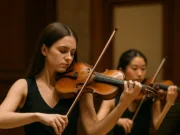
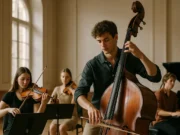
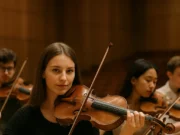
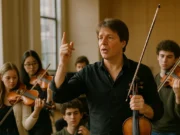
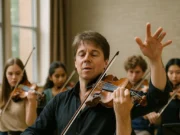
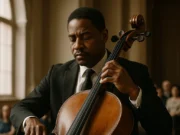
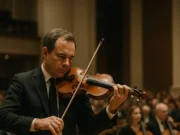
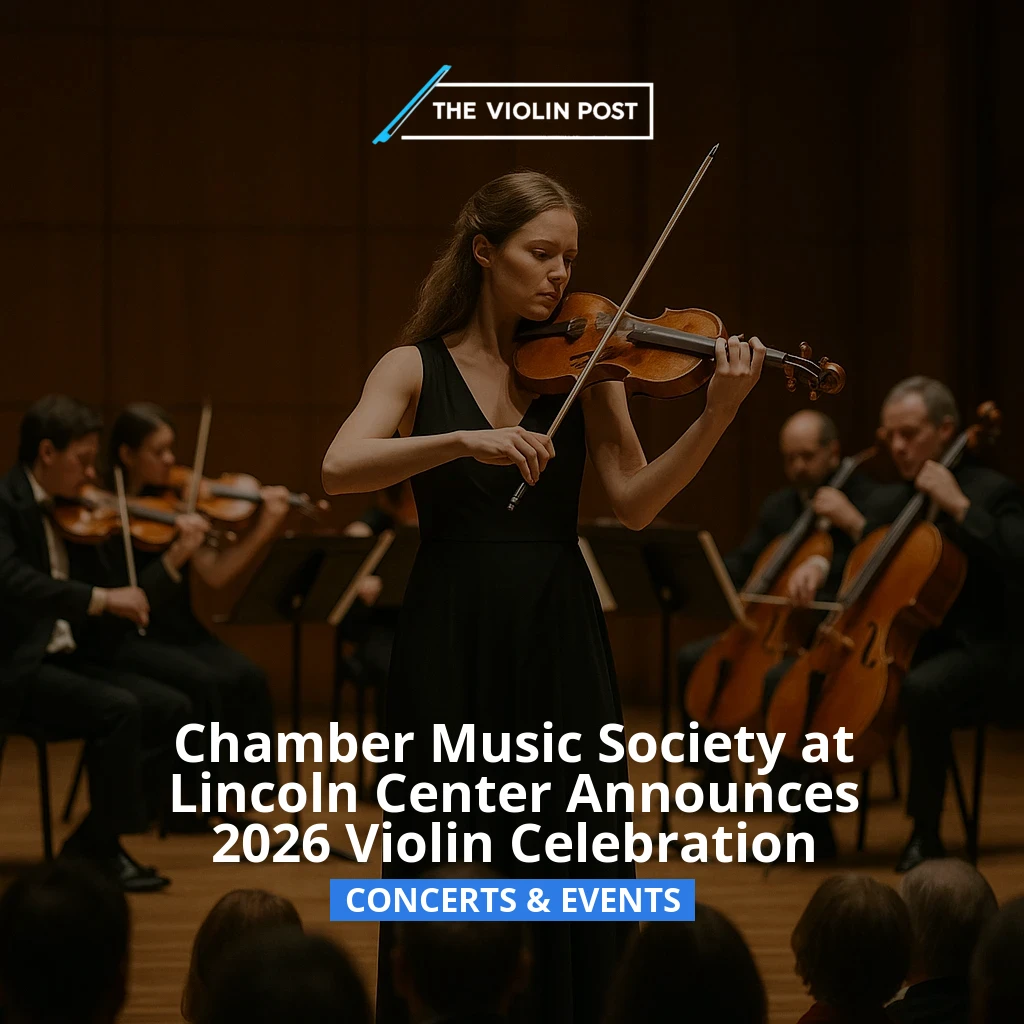
The Chamber Music Society at Lincoln Center will host an extensive celebration focused on the violin in 2026, underscoring the instrument’s pivotal role in chamber music repertoire and performance traditions. This forthcoming event promises to bring together prominent violinists, ensembles, and aficionados to explore the violin’s artistic impact within the classical music sphere.
A Platform for the Violin’s Artistic Legacy
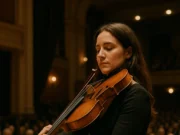
The violin, regarded as one of the most expressive and versatile instruments in the classical tradition, has long been central to chamber music ensembles. From duets and trios to larger configurations, its voice is indispensable, weaving complex lines and dialogues that define the genre’s intimate yet dynamic nature. By dedicating a celebration specifically to the violin, the Chamber Music Society at Lincoln Center recognizes this heritage and opens a space for both reflection and innovation in violin performance.
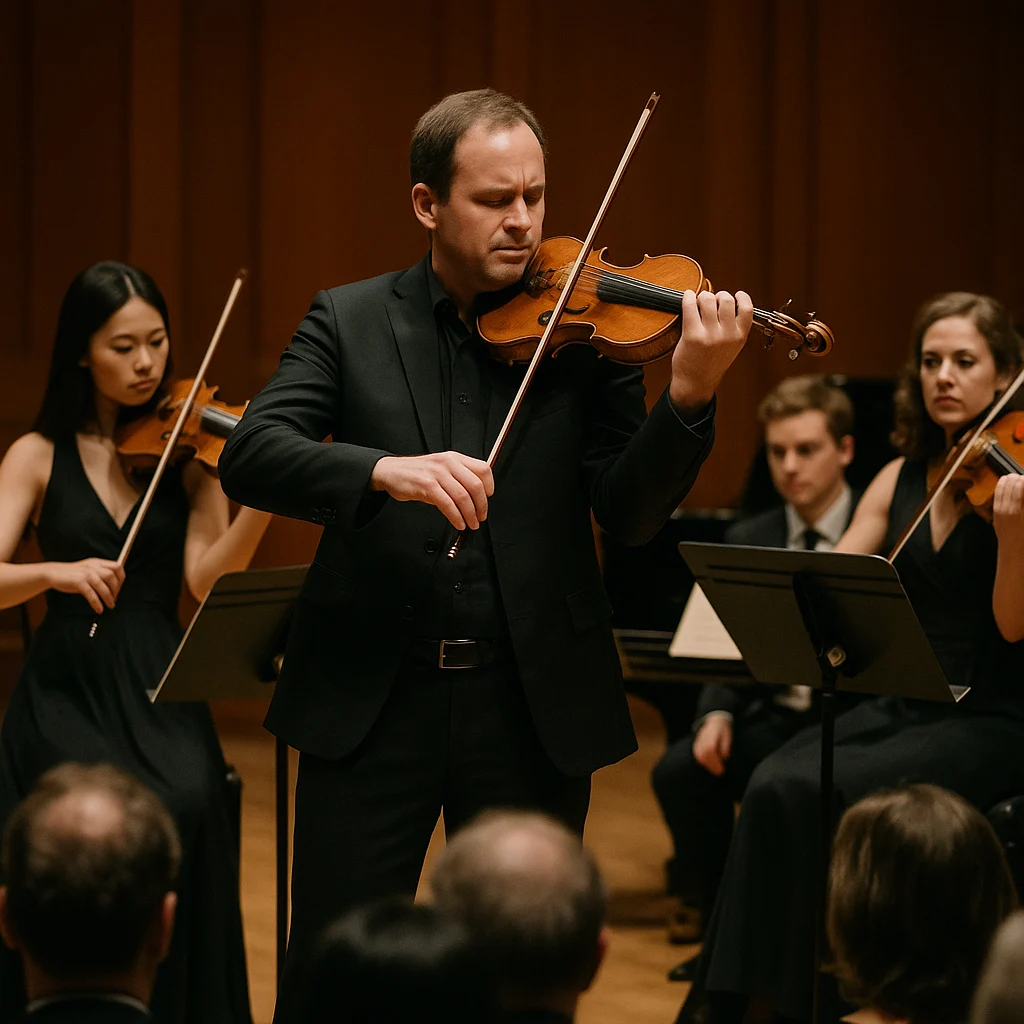
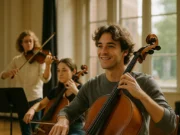
This event will likely attract a broad spectrum of stakeholders: performers seeking to deepen their engagement with chamber repertoire, students and educators interested in exploring the violin’s evolving role, instrument makers and collectors attuned to artistic trends, and audiences desiring a closer connection to the instrument’s rich sound world. These diverse perspectives reinforce the violin’s significance not merely as a solo instrument but as a cornerstone of collaborative musicianship.
Context within the Classical Music Ecosystem
Lincoln Center’s Chamber Music Society has historically been a leading venue for championing the intimacy and precision of small ensemble music. The decision to spotlight the violin acknowledges its unique position at the crossroads of tradition and contemporary expression. This celebration aligns with broader efforts within classical music institutions to revisit core instrumental voices, shedding light on their past, present, and future contributions.
In addition to performance programming, events like this often inspire educational initiatives, masterclasses, and talks that stimulate dialogue about technique, interpretation, and repertoire development. They also foster connections across generations of artists, strengthening the pedagogical lineage that sustains the vibrant violin community worldwide.
Looking Ahead: Implications and Opportunities
As the event approaches, anticipation will build among chamber musicians, educators, and audiences alike. This celebration affords an important occasion to expand the violin’s role beyond traditional concert settings, encouraging new collaborations and possibly commissioning contemporary works that reflect today’s diverse musical landscape.
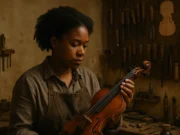
Moreover, the initiative serves as a reminder of the ongoing commitment by prominent institutions like the Chamber Music Society at Lincoln Center to nurture classical music’s cornerstone instruments. It stands to invigorate interest not only in performance but also in violin craftsmanship and scholarship, potentially influencing programming choices and artistic priorities across the field.
Why this matters
- It highlights the violin’s indispensable role in chamber music, reaffirming its artistic and cultural importance.
- Performers, educators, and students gain a focused platform to engage with violin repertoire and technique.
- The event may stimulate commission of new works and innovative collaborations, shaping future violin literature.
- Instrument makers and collectors benefit from increased visibility and discourse surrounding violin craftsmanship.
- Audiences are offered deeper insight into the violin’s expressive capacities within intimate ensemble settings.
Related topics
- The role of chamber music societies in sustaining classical music traditions
- How instrument-focused festivals influence repertoire and performance practice
- Emerging trends in violin pedagogy and interpretation within contemporary classical music
Editorial Commentary
Concert reporting matters because live performance remains the place where interpretation, repertoire, audience response, and artistic identity meet most visibly. For the string community, events like this also reveal how institutions and local scenes help sustain musical culture.
Beyond the single occasion, this kind of article helps readers understand programming choices, community engagement, and the evolving role of concerts in keeping the repertoire of the violin family present and relevant.
About The Violin Post
The Violin Post is an international editorial platform dedicated to violin making, classical performance, competitions, instruments, and the wider culture of the string world.
Its coverage connects news reporting with specialist context for readers interested in performers, makers, educators, institutions, and musical heritage.
Related Articles
- Stefan Milenković Shines at Novi Sad Chamber Music Festival
- North Shore Chamber Music Festival Highlights Duo of Anna Kesselman and Fiona Khuong-Huu
- Seoul Chamber Music Festival Shines Spotlight on Mozart and Emerging Talents
— The Violin Post Editorial Staff