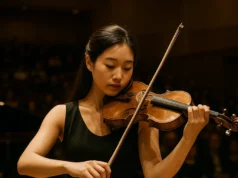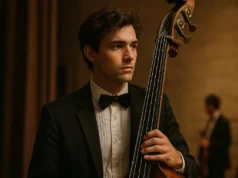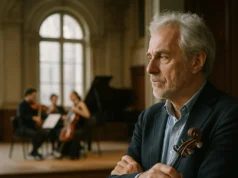

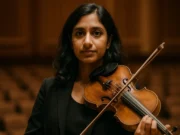


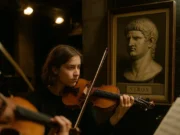
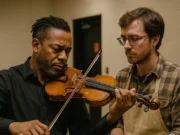
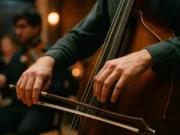
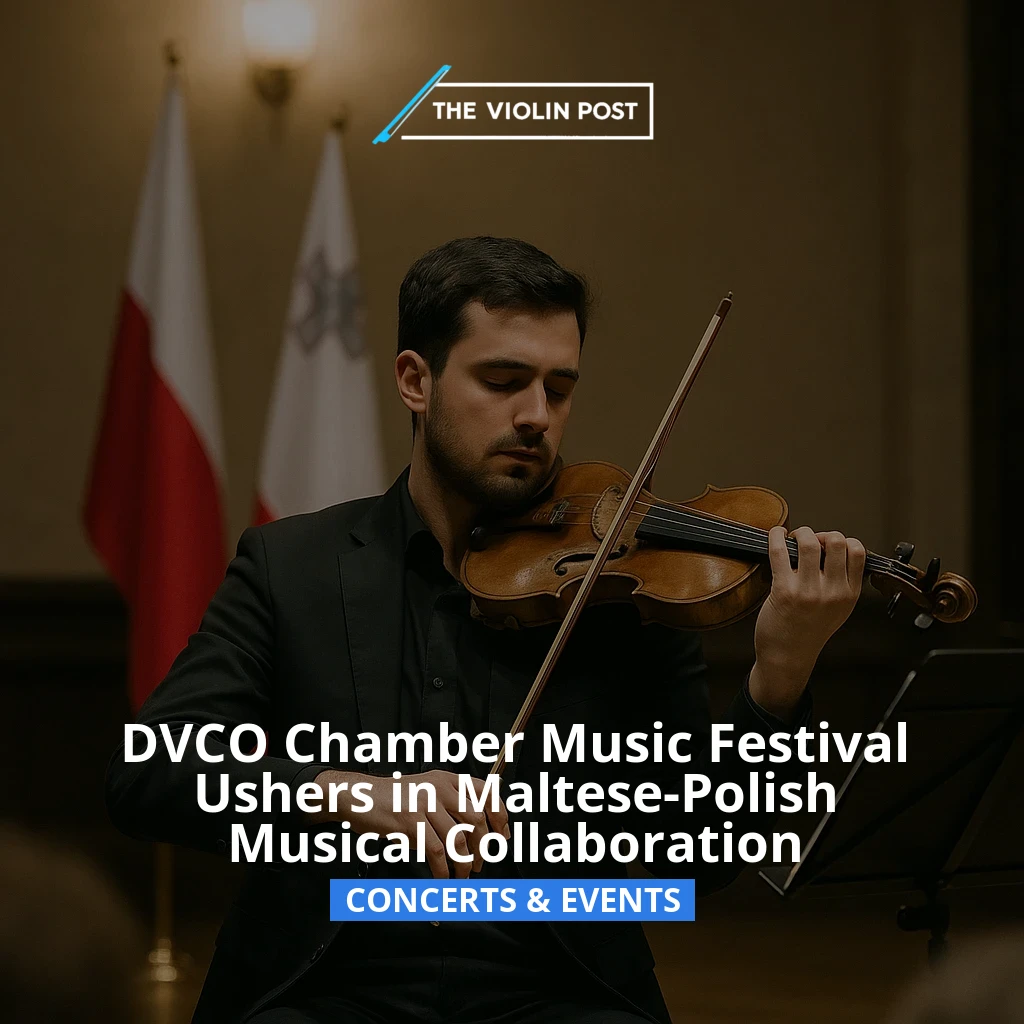
Chamber music festivals often provide fertile ground for exploring intercultural connections and renewed artistic dialogues. This year, the DVCO Chamber Music Festival opened with a program that bridged Malta and Poland, fostering a meaningful exchange between these two rich musical heritages.
The festival’s opening highlighted a concert program featuring ensembles and soloists presenting chamber works emblematic of both Maltese and Polish classical music traditions. By juxtaposing compositions from these distinct yet complementary cultures, the DVCO endeavors to offer audiences an immersive experience that extends beyond mere performance, inviting reflection on the evolving narratives within European chamber music.
This Anglo-Maltese-Polish collaboration is particularly noteworthy given both countries’ burgeoning engagement with chamber repertoire and their contributions to contemporary classical music. Poland, with its history of composers such as Karol Szymanowski and contemporary figures like Krzysztof Penderecki, has long been recognized for its innovative chamber works. Malta, meanwhile, continues to cultivate a vibrant local music scene, increasingly participating in international dialogues that elevate its classical and contemporary outputs.
Music festivals like the DVCO play an essential role in sustaining and extending the reach of chamber music as a vital art form. By introducing Polish pieces alongside Maltese compositions, the festival encourages musicians and audiences alike to consider the nuances of national identity as expressed through music and the ways in which such exchanges can enrich artistic perspectives.
Looking forward, such collaborations may pave the way for deeper partnerships involving composers, performers, and educators from both countries. They also serve to inspire emerging artists to engage with cross-cultural repertoires, potentially shaping a future where chamber music acts as a conduit for dialogue and mutual understanding.
Why this matters
- The festival highlights the value of cultural exchange in classical music, fostering mutual appreciation between Malta and Poland.
- It offers musicians new interpretive challenges and audiences a broadened sonic palette.
- By integrating works from distinct national traditions, the DVCO festival contributes to the diversification of chamber music programming globally.
- Such initiatives encourage collaboration among composers and performers, driving innovation within the chamber music genre.
- Institutions and educators may look to these examples to develop curricula and concert series emphasizing cultural dialogue through music.
— The Violin Post Editorial Staff