

























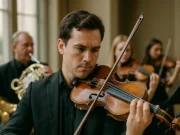



The Eastern Music Festival (EMF) in Greensboro, North Carolina, has announced that its Board of Directors has voted to dissolve the organization, concluding its 64-year legacy of presenting an annual five-week festival.
This decision was made after extensive negotiations between the festival and its faculty musicians failed to produce a mutually acceptable labor agreement. Organizers state that faculty members did not compromise on their firmly held bargaining positions, despite being aware that dissolution was a likely outcome if an agreement was not reached.
Efforts to mediate the dispute included the involvement of federal mediators, underscoring the festival’s commitment to resolving the conflict amicably.
The breakdown in negotiations, which took place in early 2025, centered around the union’s demands for increased control over managerial, programmatic, and staffing decisions. One key point of contention was the union’s push for the EMF to hire faculty and musicians to establish a fully professional orchestra. The festival leadership resisted this, expressing concern that such a move would reduce opportunities for students participating in the festival.
With operations set to cease, the EMF is actively seeking one or more nonprofit organizations aligned with its mission to receive its remaining assets.
Anne Starr Denny, chair of the EMF Board, reflected on the festival’s historic significance: “Eastern Music Festival grew to become one of the premier music festivals in the country, attracting some of the most promising young musicians in the world and putting Greensboro on the map for music lovers everywhere.” She emphasized, “The decision to dissolve the organization came not because of a lack of support, interest, or EMF’s commitment to the mission.”
However, Denny criticized union and faculty leadership for their role in the festival’s closure, stating that they were unwilling to negotiate a feasible path forward. She accused them of launching a divisive public campaign that hampered the festival’s ability to fundraise, recruit students, hire faculty, and manage day-to-day operations effectively, ultimately leading to the festival’s demise despite its national cultural importance in Greensboro.
— The Violin Post Editorial Staff