






















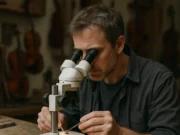
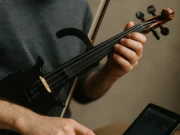



The intersection of technology and classical music has long offered rich opportunities for innovation in performance and pedagogy. Electric Violin Labs, a newly launched platform, seeks to bridge this interface by providing resources and tools aimed at violinists and educators interested in harnessing technological advances to enrich their craft.
This initiative acknowledges the evolving landscape of classical music education, where traditional instruction increasingly incorporates digital methods. Electric Violin Labs promises to serve as a hub that connects musicians and instructors with cutting-edge developments, whether through electronic violin technologies, software applications, or digital learning platforms.
By focusing on the electric violin as both a cultural symbol and a practical instrument enhanced by technology, the platform addresses a niche yet growing area within musical practice. Electric violinists—both soloists and ensemble players—have unique technical and sonic possibilities that warrant dedicated exploration and support. Educators stand to benefit by gaining access to pedagogical materials and approaches that integrate technology seamlessly into curricula, reflecting contemporary performance realities.
Moreover, this development reflects broader trends in the classical music ecosystem, where adaptation and innovation are crucial for sustaining audience interest and expanding participation. Digital tools and hybrid instruments are reshaping how music is taught, practiced, and presented, making ventures like Electric Violin Labs relevant to a range of stakeholders.
Looking ahead, the success of such endeavors will likely depend on their ability to foster a community that embraces experimentation while respecting classical traditions. As musicians explore new expressive possibilities afforded by technology, platforms that facilitate knowledge exchange and collaboration could become pivotal in shaping the future of string performance.
Why this matters
- It highlights the increasing role of technology in classical music education and performance, a major contemporary development.
- The initiative directly impacts violinists, educators, and institutions seeking to modernize teaching and artistic approaches.
- Encourages integration of electronic instruments, offering new sonic textures and techniques to musicians and composers.
- Supports professional development by providing specialized resources at the intersection of music and technology.
- Signals a shift towards embracing innovation within traditionally conservative classical music contexts, which may influence future curricula and concert programming.
— The Violin Post Editorial Staff