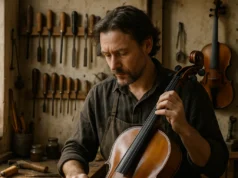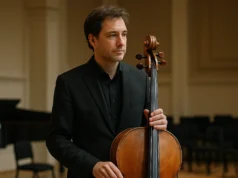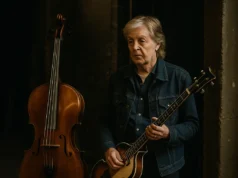

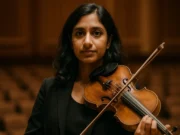
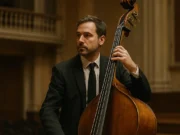
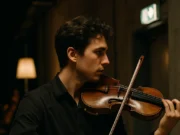
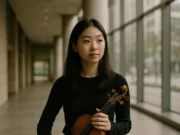
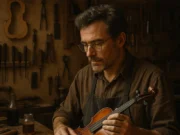
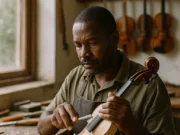
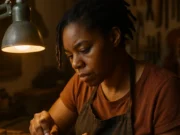
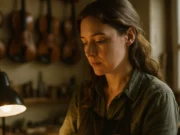
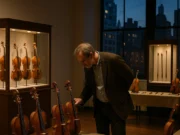
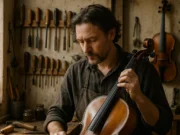
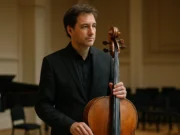
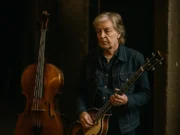
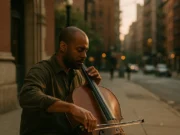
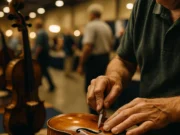
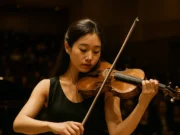
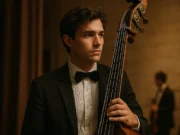
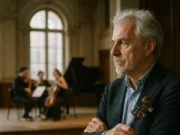
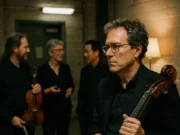
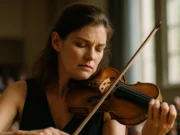
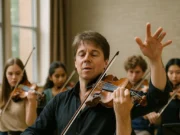
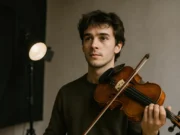
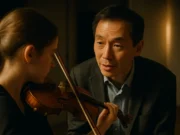
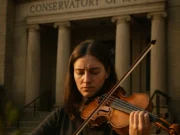
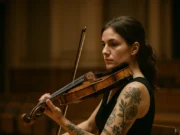
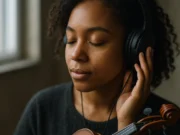
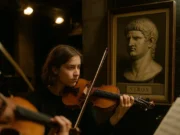
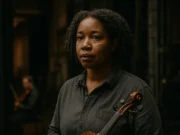
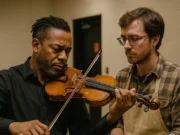
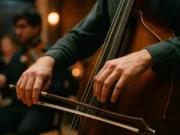
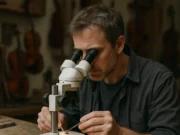
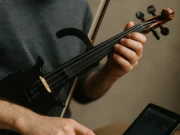
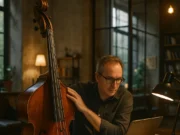
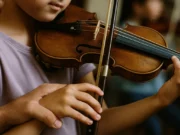
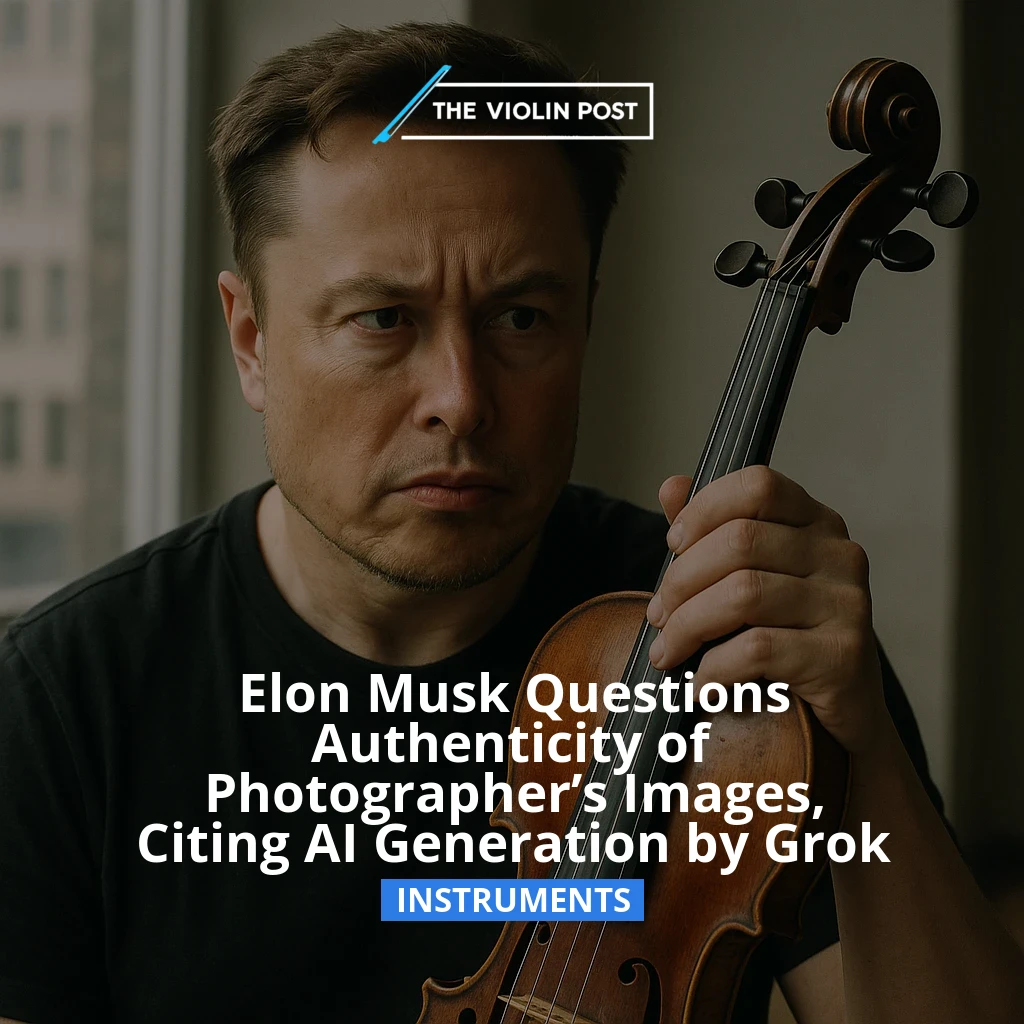
Elon Musk has publicly suggested that a set of photographs, recently presented as original works by a photographer, may actually have been generated by Grok, an AI model created under his purview. This assertion, made via social media channels, has sparked a debate about the increasing intersection between artificial intelligence and creative expression.
The exact details regarding the photographer and the images in question remain limited, but Musk’s claim implies that some imagery currently circulating could be artificially produced rather than traditionally captured. Grok, Musk’s AI system, reportedly possesses advanced capabilities to generate visual content, blurring boundaries between human artistry and digital synthesis.
This controversy touches on the evolving dynamics within classical music culture and the broader art world. As technology advances, AI-generated imagery and compositions are entering spaces traditionally reserved for human creativity, posing challenges for artists, critics, and audiences alike. Verifying the provenance of works, especially when shared widely online, becomes increasingly complex.
For photographers and visual artists, this incident highlights the growing importance of transparency and authentication in an era where generative AI tools can produce highly convincing content. Professional communities may need to adopt new standards or technologies to distinguish human-made art from AI-generated creations.
While Musk’s remark may center on a specific case, it symbolizes a larger conversation about the impact of AI in the arts. Questions emerge about how such technologies might influence audiences’ perceptions, artistic integrity, and the economics of creative industries.
Why this matters
- It underscores the challenges of verifying artistic authenticity in the age of sophisticated AI tools.
- The debate impacts photographers, visual artists, luthiers, and musicians who rely on originality to maintain professional credibility.
- Institutions and competitions may need to consider policies addressing AI-generated content as a factor in judging or curating works.
- Emerging technology could redefine creative processes, necessitating awareness and adaptation within the classical music and broader artistic communities.
- Ongoing scrutiny of AI’s role helps shape ethical standards and public understanding of digital artistry versus traditional craftsmanship.
— The Violin Post Editorial Staff