
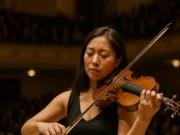
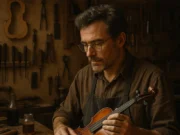
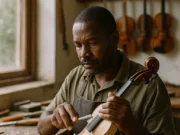
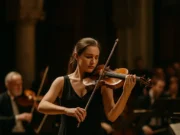
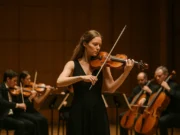
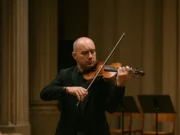
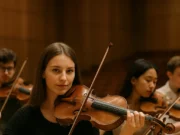
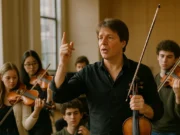
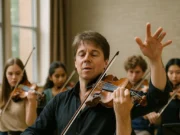
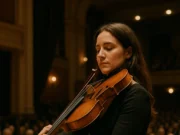
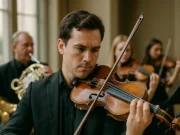

Johann Sebastian Bach’s compositions have long been revered for their intricate contrapuntal structures and emotive power. Among these, the Fugue from his Violin Sonata No. 2 stands out as a masterful example of Baroque craftsmanship, typically associated with the violin’s expressive capabilities and agility.
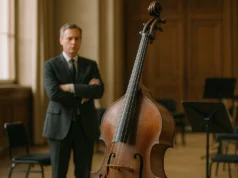
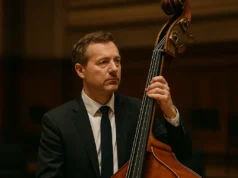
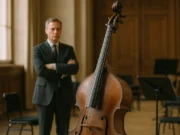
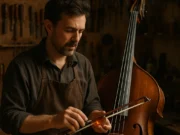
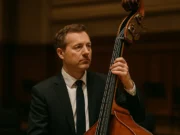
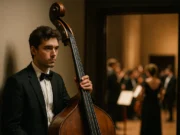
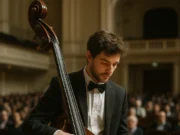
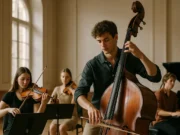
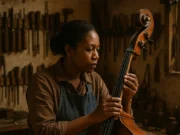
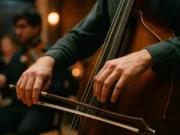
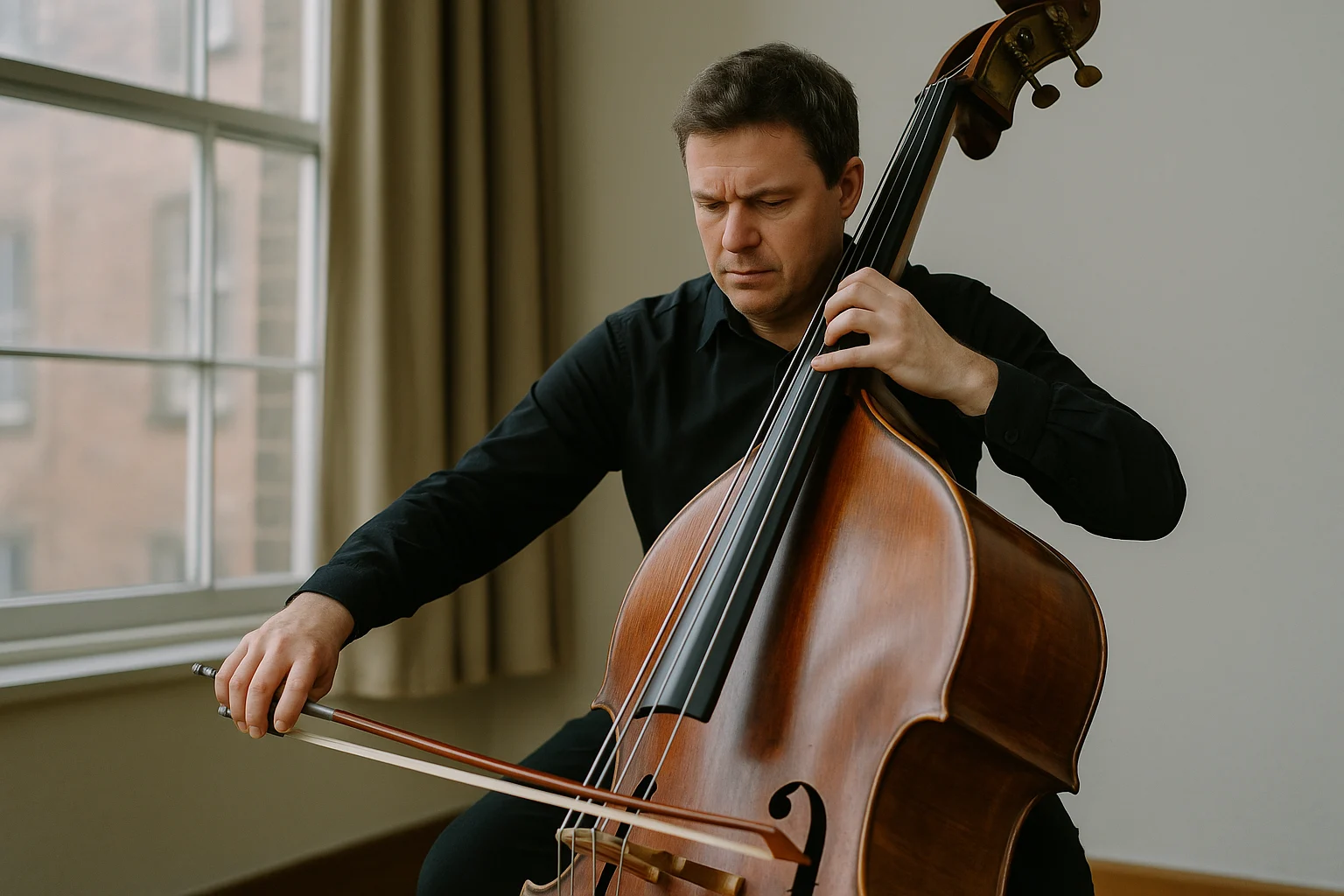
In a notable reinterpretation, this Fugue has been performed on the double bass, an instrument whose sonic world is generally linked with lower registers and supportive harmonies rather than melodic prominence. This approach not only highlights the instrument’s versatility but also invites audiences to reconsider the textural and expressive possibilities inherent in Bach’s music.
The double bass, with its rich, deep timbre and extended range, presents unique challenges and opportunities when approaching a piece originally composed for violin. Articulating the intricate voices of a fugue requires rigorous technique and musical sensitivity, which underscores the performer’s skill and adaptability.
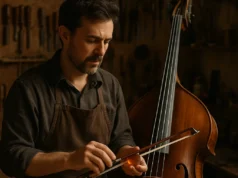
Performing such a staple of the violin repertoire on the double bass also promotes cross-instrumental dialogue within classical music. It encourages both performers and listeners to explore the flexibility of well-established works and inspires luthiers to consider how their craft supports diverse tonal inquiries.
Historically, transcriptions and adaptations have played a significant role in the dissemination and appreciation of classical music. They serve as tools for education and innovation, allowing musicians to engage deeply with the repertoire beyond the constraints of original instrumentation. The choice of the double bass for Bach’s Violin Sonata Fugue exemplifies this ongoing tradition of reinterpretation.
Such performances demand attention not only for their technical accomplishment but also for the fresh interpretative perspectives they offer. They challenge preconceptions about the roles and expressive limits of instruments, fostering greater appreciation for the adaptability of Baroque compositions across the evolving spectrum of classical performance practice.
Why this matters
- This reinterpretation broadens the repertoire available to double bassists, enhancing artistic diversity and technical growth.
- It invites musicians and audiences to rethink the boundaries between instruments and fosters innovative approaches to Baroque music.
- Educators can use such examples to demonstrate the relationship between original compositions and their adaptive performance practice.
- Luthiers and instrument makers gain insight into the demands of unconventional repertoires, potentially influencing instrument development and setup.
- Classical music institutions and programming can incorporate these adaptations to attract varied audiences, enriching concert experiences.
— The Violin Post Editorial Staff