








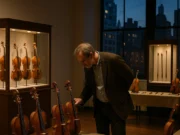
















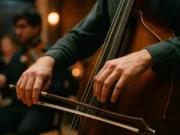


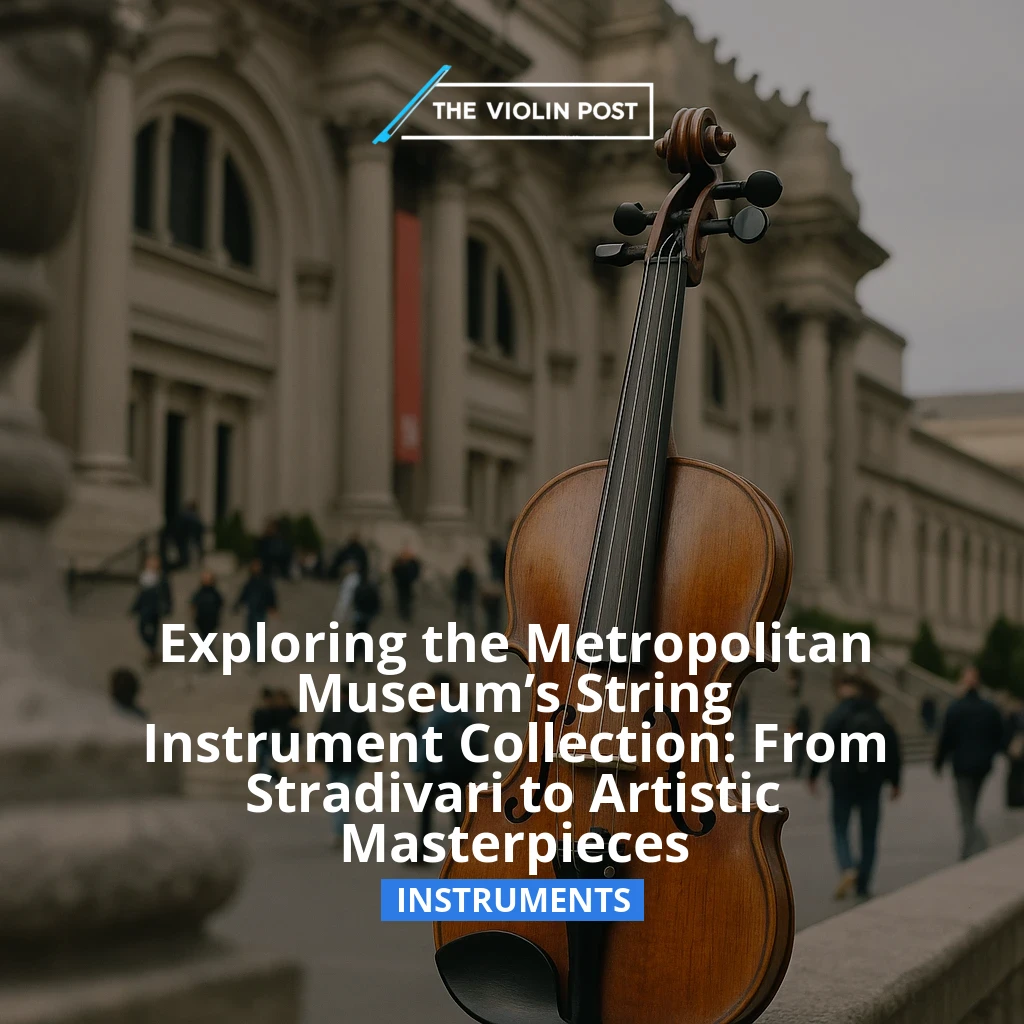
The Metropolitan Museum of Art in New York City, renowned worldwide for its vast holdings spanning millennia and cultures, also houses a notable collection of string instruments that bridge the realms of musical craftsmanship and fine art. Among these treasured items are exquisite violins crafted by Antonio Stradivari, whose work continues to define the pinnacle of lutherie, paired with artwork that evokes the cultural context surrounding these instruments.
This collection was recently the focus of an in-depth exploration by The Strad magazine, which delved into the museum’s assemblage highlighting the intersection between the physical artistry of string instruments and their depiction in visual art. The inclusion of works by Edgar Degas alongside these instruments presents a rare dialogue between the tangible object and its cultural representation.
Stradivari’s instruments are celebrated not only for their unparalleled sound quality but also for their craftsmanship, which has been studied and revered by luthiers and musicians for centuries. The Metropolitan’s possession of such instruments offers an invaluable resource for scholars, performers, and enthusiasts eager to understand the nuances of violin construction, aesthetics, and preservation.
Equally compelling is the presence of artworks by Degas, whose fascination with musicians and performers is well documented. His paintings and sculptures embed the instruments within artistic narratives, reflecting the cultural significance of string music during his era. This dual presentation underscores how string instruments serve not only as tools for performance but also as symbols woven into the fabric of artistic expression.
The juxtaposition within the Metropolitan’s collection invites visitors and researchers alike to consider the multifaceted roles of these instruments: as functioning devices, as objects of artistic merit, and as vessels of historical and cultural meaning.
Why this matters
- The collection exemplifies the enduring relevance of historical string instruments, connecting past craftsmanship with contemporary appreciation.
- It provides musicians and luthiers a tangible link to foundational instruments, informing performance practice and restoration techniques.
- Students and scholars can study the interplay between the visual and musical arts, enriching interdisciplinary understanding.
- The collection highlights the importance of museums as custodians of cultural heritage that transcends singular artistic disciplines.
- Future exhibitions and research stemming from this collection may inspire new insights into the social and artistic contexts of music history.
— The Violin Post Editorial Staff