







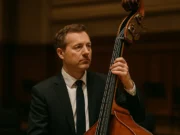
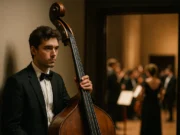


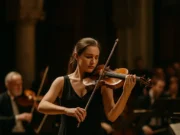
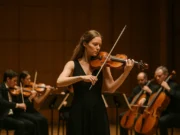
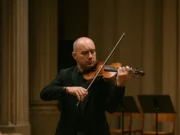
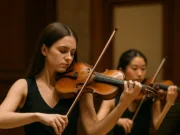
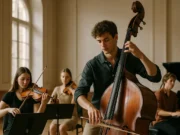

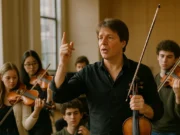
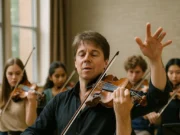

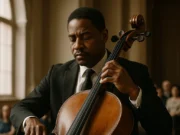
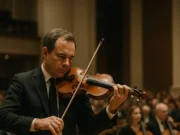

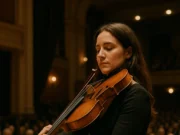



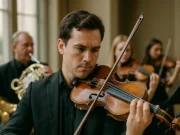



The Festival Academy Budapest will reach a significant milestone in 2025, marking ten years since its inception. Over the past decade, this institution has become a pivotal event in the classical music calendar, dedicated to the development of young musicians and the perpetuation of classical traditions within a vibrant cultural setting.
An Incubator for Emerging Talent
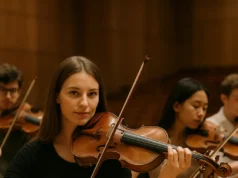
Founded with the goal of blending rigorous artistic training and public performance, the Festival Academy Budapest has consistently attracted some of the most promising young violinists, violists, cellists, and double bassists. It offers a unique platform where these artists receive mentorship from renowned professionals and engage in a rich exchange of ideas across generations.
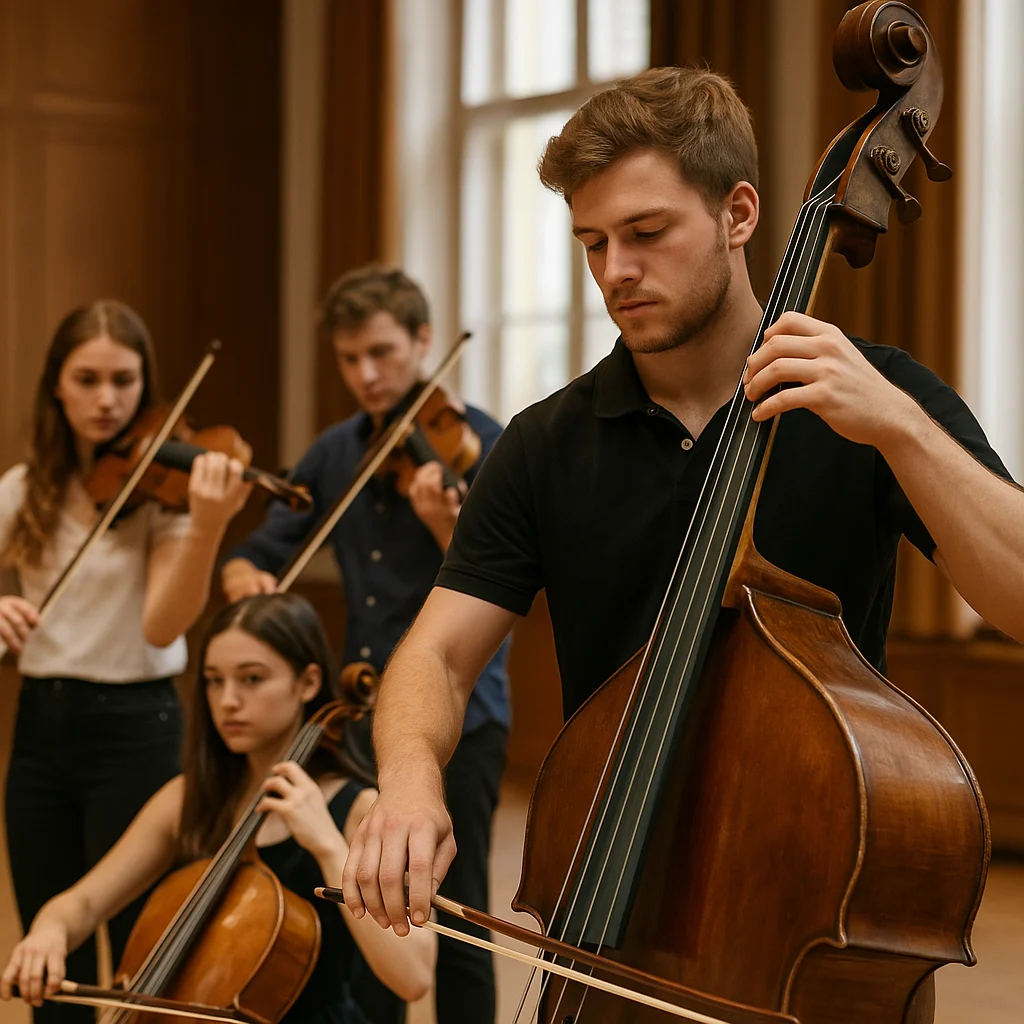
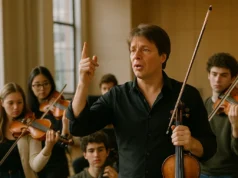
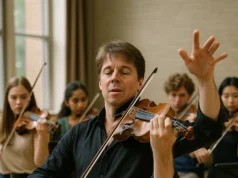
The Academy’s itinerary typically includes masterclasses, rehearsals, and concerts that not only showcase the participants’ developing prowess but also facilitate intensive collaboration. This environment cultivates both technical command and insightful musical expression—qualities essential for sustaining the classical tradition.
Context Within the Classical Music Ecosystem
Situated in Budapest, a city with a deep-rooted classical heritage, the Festival Academy carries forward Hungary’s rich musical legacy, connecting it to the international stage. Its role extends beyond education: it stimulates cultural dialogue and reinforces Budapest’s status as a hub for violin and chamber music enthusiasts, performers, and luthiers.
For students and early-career musicians, participation can be a cornerstone in shaping careers, offering exposure to influential networks and varied repertoire. Likewise, orchestras and festivals often monitor alumni, recognizing the intensive preparation these academies provide as a marker of professional readiness.
Looking Ahead to the 2025 Anniversary
As the Academy celebrates a decade of classical excellence, it prompts reflection on the evolving challenges and opportunities facing young classical musicians today. Issues such as repertoire diversification, audience engagement, and integration of historically informed performance practice remain central.
The upcoming festival plans will undoubtedly highlight not only artistic achievements but also the institution’s adaptive approach to the changing landscape of classical music education and performance.
Why this matters
- The Festival Academy Budapest’s tenth anniversary underscores its sustained impact in nurturing international musicians, ensuring vitality within the classical music community.
- Performers, students, and educators benefit from the Academy’s intensive training and networking opportunities.
- The event reflects broader trends in how classical music education adapts to contemporary artistic and professional demands.
- Its location in Budapest connects heritage with global exchange, influencing cultural programming and audience development strategies.
- The anniversary serves as a moment to assess priorities in sustaining the art form amid shifting musical and societal contexts.
Related topics
- The role of international music academies in shaping modern violin careers
- How chamber music festivals foster intergenerational mentorship
- Challenges and innovations in classical music education today
Editorial Commentary
Educational developments deserve attention because training environments often determine the future health of the classical music sector. The opportunities available to students today shape the artistic standards, professional habits, and creative ambitions of tomorrow.
For teachers, families, institutions, and emerging performers, stories in this area provide context on how learning, mentorship, and access continue to influence the evolution of the string community.
About The Violin Post
The Violin Post is an international editorial platform dedicated to violin making, classical performance, competitions, instruments, and the wider culture of the string world.
Its coverage connects news reporting with specialist context for readers interested in performers, makers, educators, institutions, and musical heritage.
Related Articles
- Ana Labazan Brajša and the International Music School Upbeat: A Violinist’s Insight into Contemporary Music Education
- Joshua Bell Takes the Helm: Violinist and Conductor with the Academy of St Martin in the Fields
- Joshua Bell’s Dual Role with the Academy of St Martin in the Fields: Navigating Violinistry and Conducting
— The Violin Post Editorial Staff