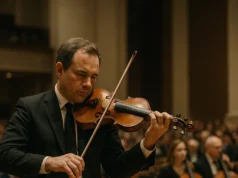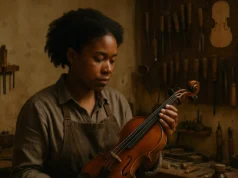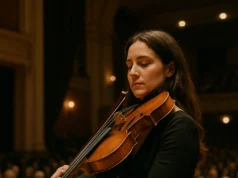

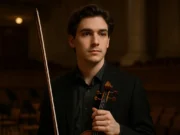
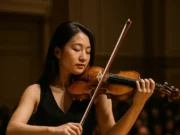
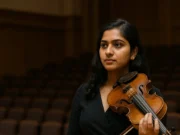
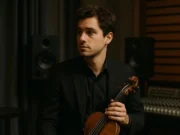
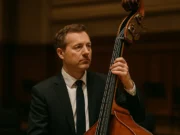
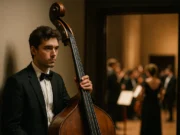
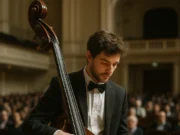
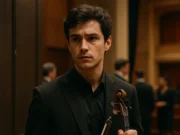
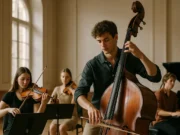
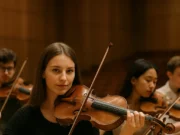
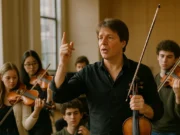
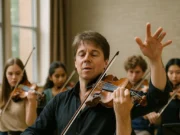

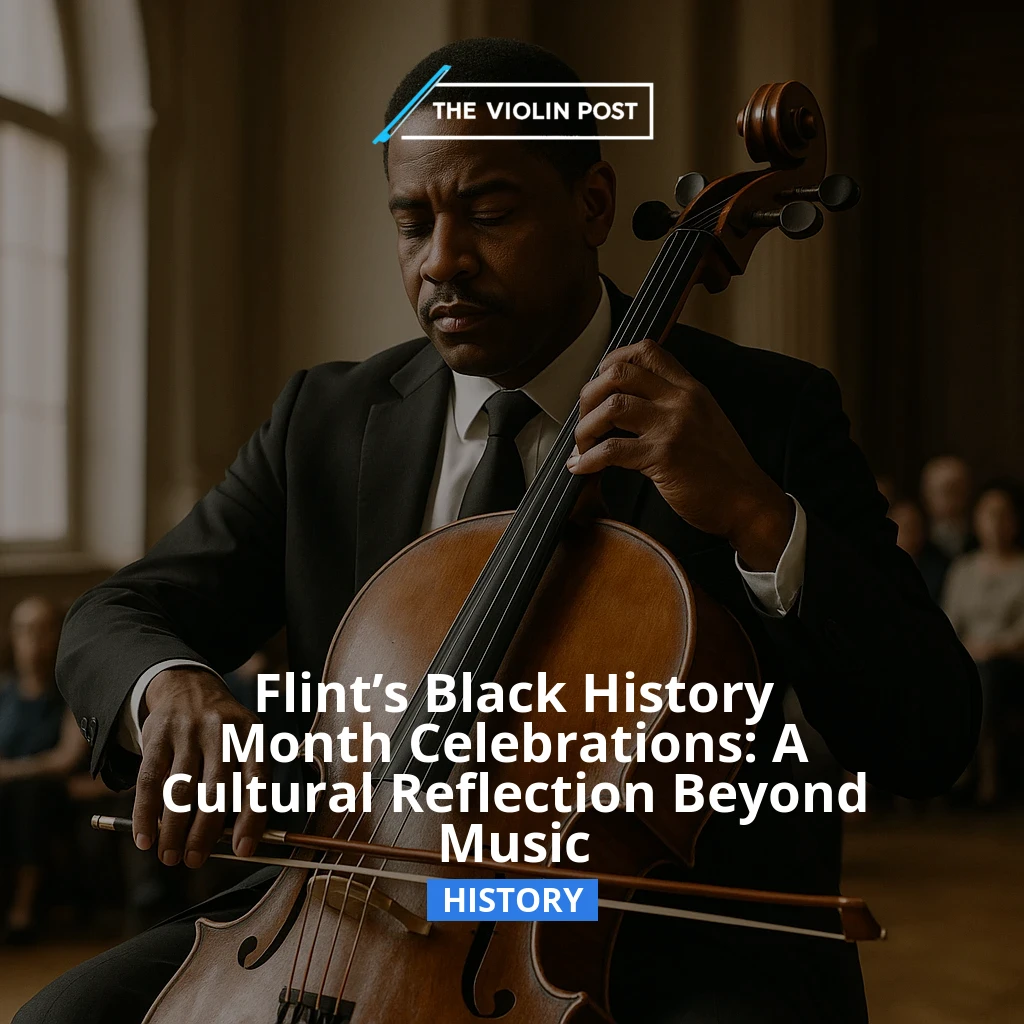
Amidst the fabric of Flint’s evolving cultural scene, Black History Month emerges each February as a vital period of recognition, remembrance, and celebration. While often associated with music and the arts, the month’s events in Flint weave together history, community discourse, and educational opportunities that transcend a single discipline, offering a multidimensional tribute to Black heritage and contributions.
Community and Culture at the Forefront
Flint’s Black History Month festivities span more than concerts and exhibitions—they are an embodiment of community voices rising to share stories that have long shaped, and been shaped by, this Michigan city’s unique socio-cultural landscape. These events often include panel discussions, film screenings, and art installations that highlight the struggles and triumphs within Black communities locally and nationally.
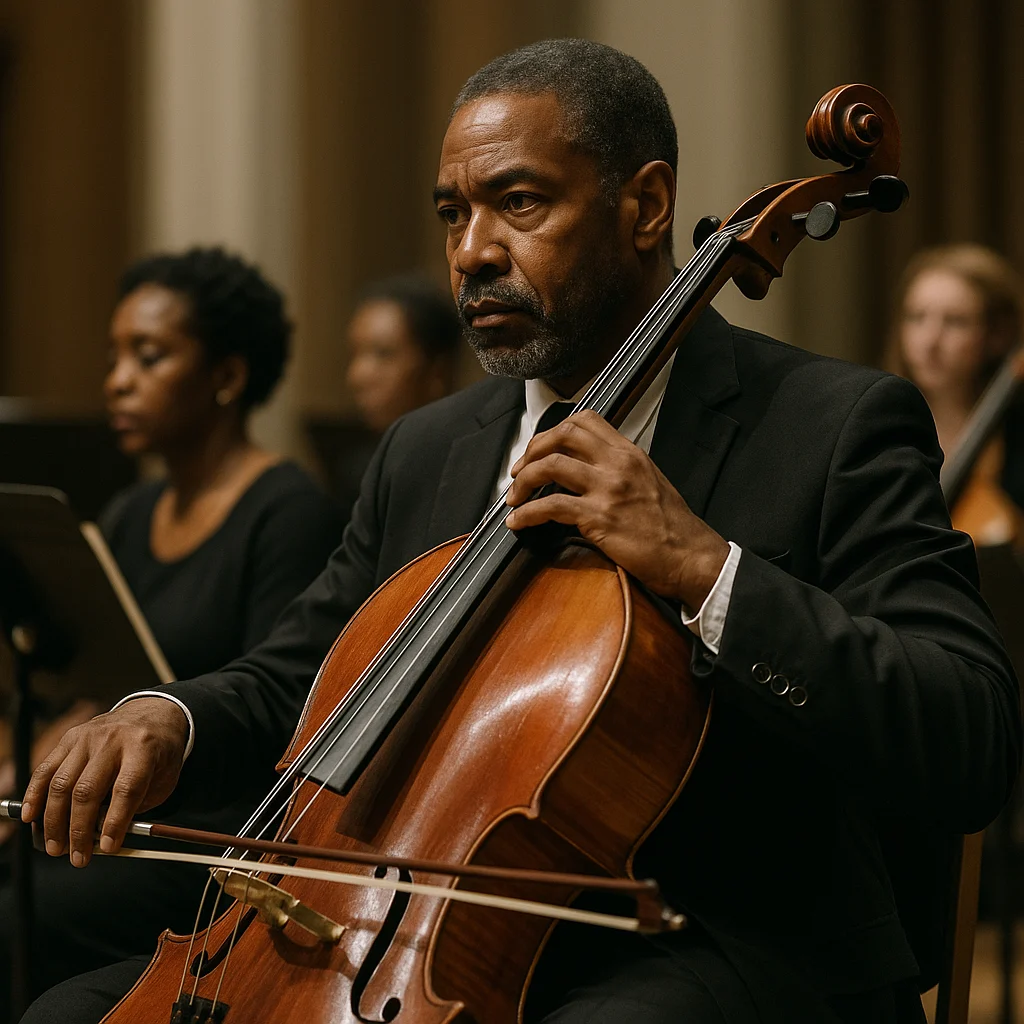
This integration is significant for institutions, educators, students, and audiences who engage not only with performances but also contextual explorations that speak to systemic histories and personal narratives. Flint’s festivals and programs generate spaces where history informs present dialogues, nurturing understanding and inspiring advocacy among attendees.
Relevance for Musicians and Audiences
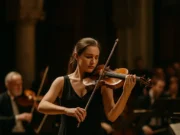
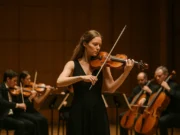
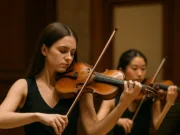
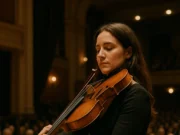
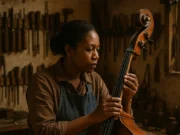
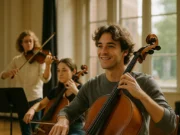
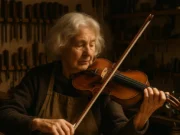
Though not solely musical, many programs incorporate classical and contemporary Black composers, instrumentalists, and vocalists, drawing attention to often underrepresented voices in concert halls and classrooms. For violinists, violists, cellists, and other performers, such events provide rare platforms to explore repertoire connected with Black heritage, expanding their artistic and cultural awareness.
Music educators and institutions benefit by incorporating these narratives and works into curricula and concert programming, fostering a more inclusive representation. Conversely, audiences gain exposure to a broader spectrum of the classical music ecosystem, witnessing firsthand the vibrancy and diversity of the art form as it intersects with cultural identity.
Wider Implications within Classical Music and Community Engagement
Flint’s Black History Month thus exemplifies how local cultural initiatives can influence national conversations about diversity and inclusion in classical music and beyond. By melding historical education with artistic celebration, the city positions itself as a microcosm where music, history, and social awareness meld.
This model encourages other cities and musical organizations to reflect on how Black heritage can be more thoroughly integrated into their programming and educational outreach, ultimately shaping a classical music landscape that is richer and more representative.
Why this matters
- Black History Month events in Flint exemplify the intersection of cultural history with arts education, impacting performers, educators, and audiences.
- The inclusion of Black composers and musicians expands representation within classical music, providing new repertoire and role models.
- Community-driven programs foster broader dialogues on history and identity that resonate beyond the concert hall.
- Such initiatives encourage institutions nationwide to rethink diversity and inclusion strategies in music and culture.
- Tracking Flint’s evolving observances offers insights into how classical music communities can engage with social and historical contexts meaningfully.
Related topics
- The role of cultural commemorations in expanding classical music repertoire and awareness
- How educational institutions integrate Black history within string pedagogy and performance
- Community engagement strategies in classical music: Lessons from local cultural events
Editorial Commentary
Historical coverage is essential because the string world is built on continuity: repertories, techniques, schools of craftsmanship, and performance traditions all gain meaning when they are understood in relation to what came before.
Articles like this therefore do more than document the past; they help readers interpret the present through a stronger awareness of musical heritage and of the people and ideas that shaped it.
About The Violin Post
The Violin Post is an international editorial platform dedicated to violin making, classical performance, competitions, instruments, and the wider culture of the string world.
Its coverage connects news reporting with specialist context for readers interested in performers, makers, educators, institutions, and musical heritage.
Related Articles
- Violins of Hope Bring Resonant Testimony to Sioux City
- Breaking Barriers: The Emergence of the First Recorded Black Female Violin Maker
- Celebrating Women’s Contributions to Classical Music: A Curated Playlist for Women’s History Month
— The Violin Post Editorial Staff