




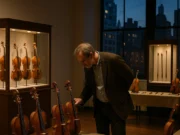






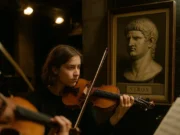
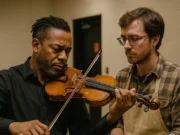
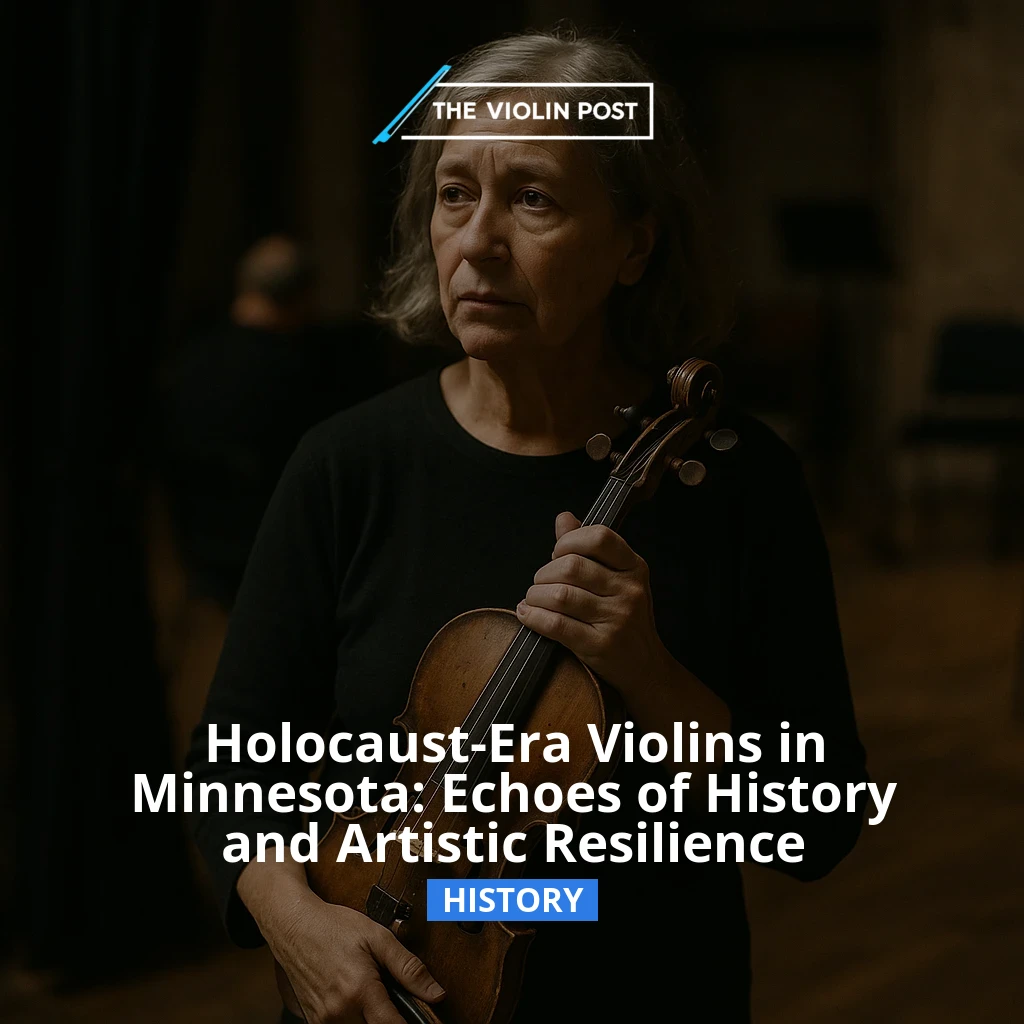
The arrival and resurfacing of violins crafted during the Holocaust period in Minnesota offer a unique intersection of musical heritage and historical remembrance. These stringed instruments are more than finely tuned tools for performance; they carry the weight of survival, memory, and cultural identity from one of history’s darkest eras.
Created under circumstances marked by oppression and persecution, Holocaust-era violins symbolize resilience. Crafted by European luthiers who often faced unimaginable hardships, these instruments have survived as tangible testaments to the endurance of art under duress. Their reemergence in Minnesota’s musical landscape invites reflection not only on the artistic achievements from that time but also on the ongoing relevance of history in informing present and future societal attitudes.
Music scholars and historians in Minnesota have taken an active interest in studying and preserving these violins, recognizing their multifaceted significance. For musicians, especially those connected to the Jewish community and those with a deep appreciation for historical context, these instruments offer a connection to ancestral histories and a medium through which stories can be conveyed beyond words.
Moreover, the presence of these violins challenges contemporary audiences and communities to remain vigilant about the dangers of intolerance and hatred. In a period where societal divisions sometimes echo past prejudices, the instruments serve as a warning: history’s darkest chapters can repeat if lessons remain unheeded.
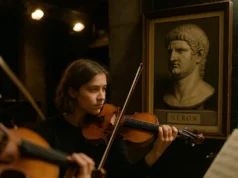
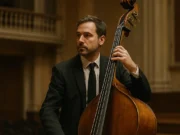
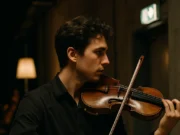
Community organizations and orchestras incorporating Holocaust-era violins into performances often pair music with educational programming, underscoring the dual role of these instruments as cultural artifacts and tools for dialogue. These efforts contribute to a broader understanding of how music can foster empathy, remembrance, and hope.
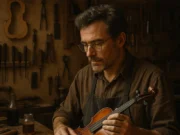
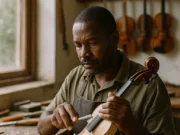
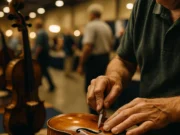
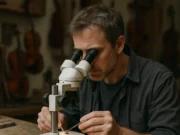
The conversation around these violins extends to the sphere of lutherie, where the preservation, restoration, and study of such instruments offer insights into craftsmanship under adversity. Their acoustic qualities and construction techniques provide invaluable knowledge to current and future generations of instrument makers and musicians.
Why this matters
- The presence of Holocaust-era violins in Minnesota brings urgent historical awareness to contemporary society, reinforcing the importance of remembrance.
- These instruments impact musicians, luthiers, historians, educators, and communities by linking musical artistry with cultural memory.
- The violins serve both as heritage objects and as catalysts for educational initiatives addressing history, tolerance, and human rights.
- Their preservation influences the study and practice of lutherie, providing continuity of craft knowledge amid challenging historical circumstances.
- Observing the role of these instruments today prompts reflection on the cyclical nature of history and the ongoing responsibility to confront intolerance.
— The Violin Post Editorial Staff