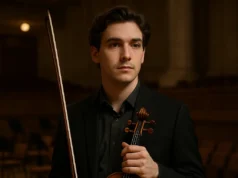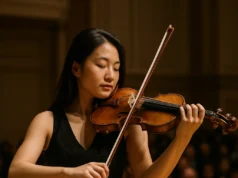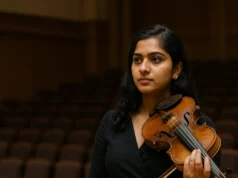




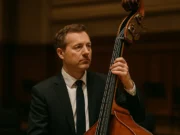
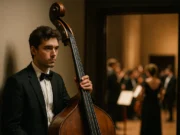
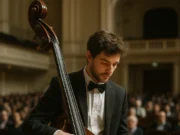

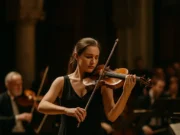
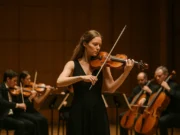
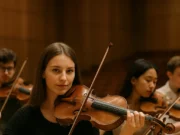
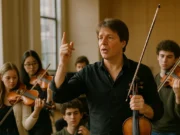
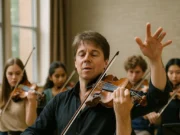

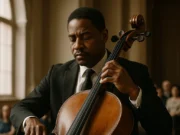

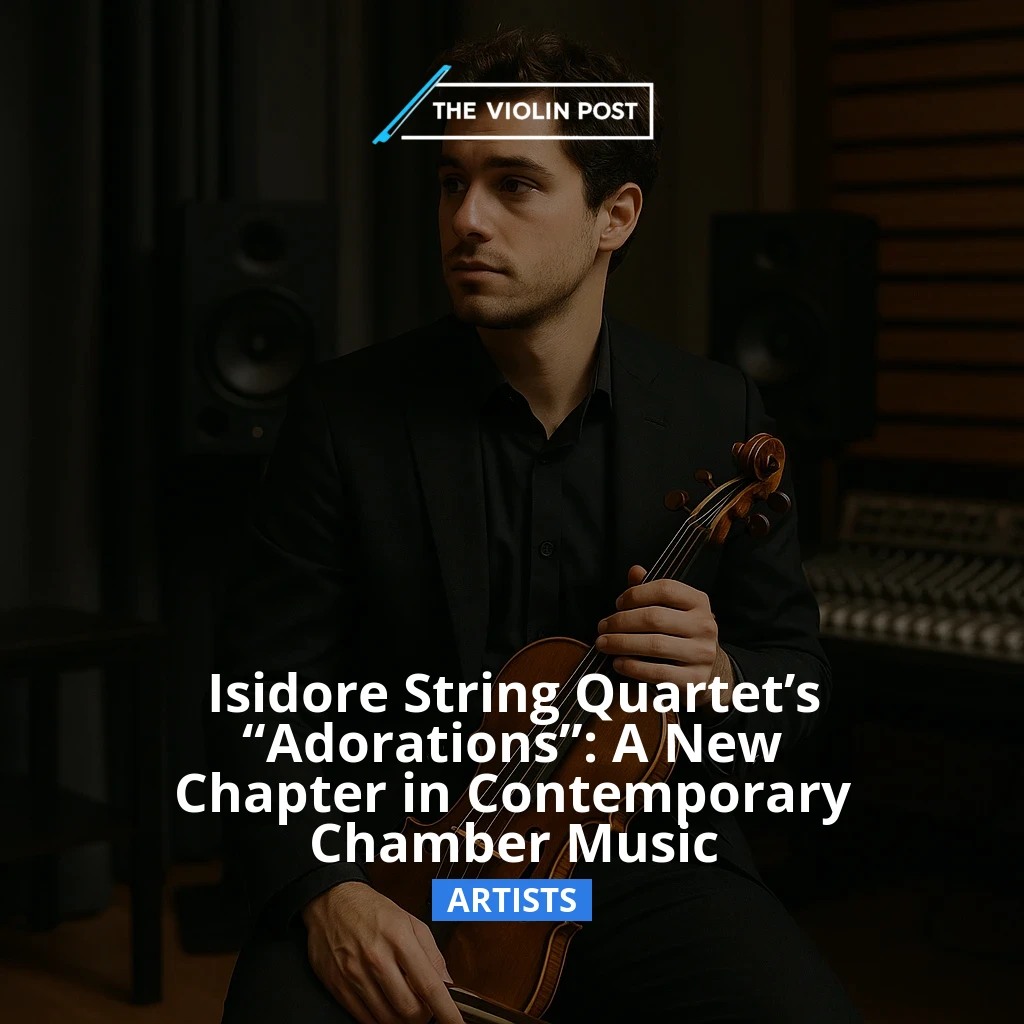
The release of “Adorations,” the latest album from the Isidore String Quartet, marks a notable moment for enthusiasts of chamber music. This ensemble, already recognized for their thoughtful programming and commitment to contemporary works, presents a recording that seeks to deepen the dialogue between classical tradition and modern expression.
Bridging Tradition and Innovation
String quartets occupy a central place in the classical music ecosystem, with a repertoire that spans centuries and reflects shifting cultural landscapes. The Isidore String Quartet’s new album continues this lineage by curating works that illuminate the evolving language of the string quartet while respecting its historical roots. Their approach engages listeners who value both the interpretive depth of the classical canon and the vitality of new compositions.
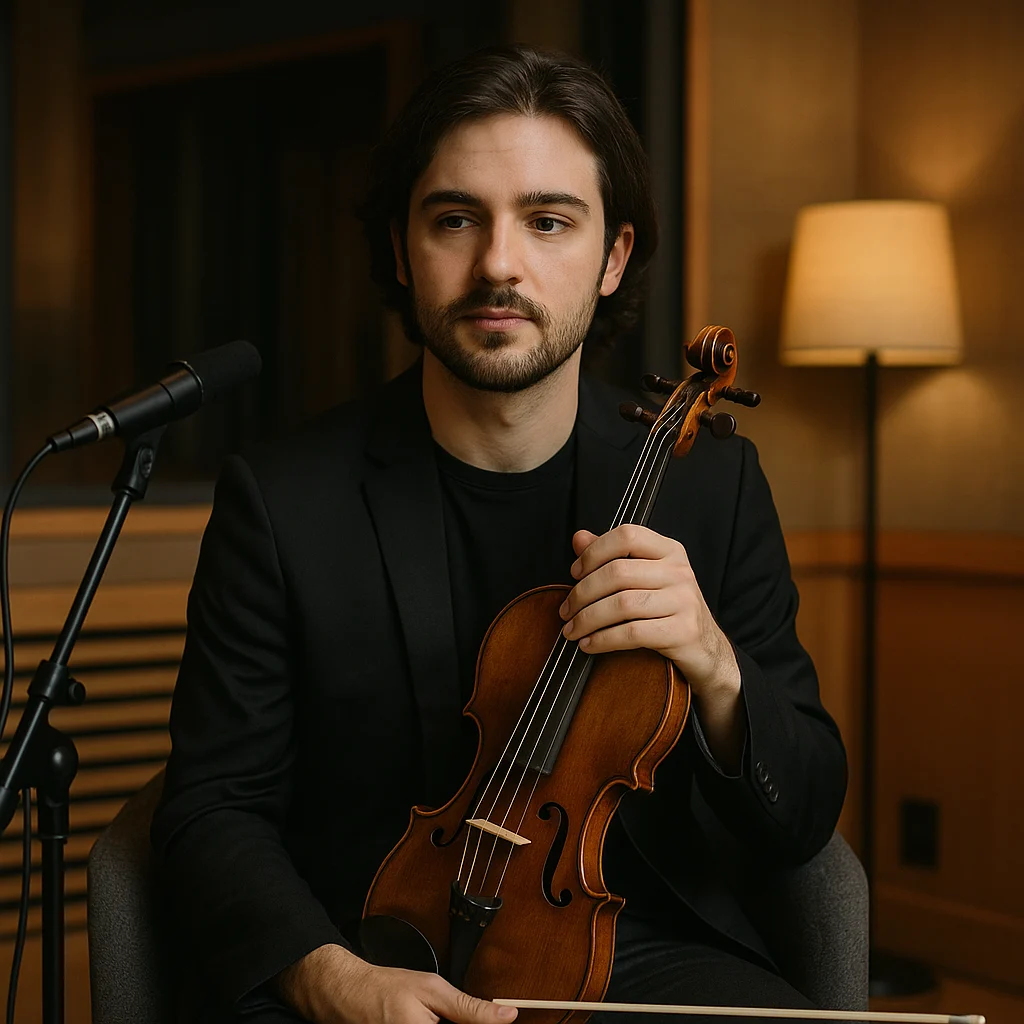
Such albums contribute to the ongoing vitality of chamber music as more than just preservation of the past. They invite performers, students, and audiences alike to reconsider the emotional and technical possibilities inherent in the medium. By selecting repertoire that challenges and inspires, the quartet supports the living tradition of string quartet performance and composition.
Impact on Performers and Audiences
For performers, “Adorations” offers an example of how to navigate complex contemporary works with clarity and expressiveness. The album’s interpretation showcases the quartet’s nuanced ensemble playing and their sensitivity to the textural and dynamic complexities of 21st-century music. This can serve as a pedagogical model for emerging ensembles seeking to broaden their repertoire beyond standard works.
Audiences, particularly those who follow the careers of emerging and established string quartets, will find the album a revealing portrait of musical dialogue and emotional depth. Listening to such recordings is essential for cultivating a nuanced appreciation of today’s chamber music landscape, which is increasingly inclusive of diverse compositional voices and experimental sonic textures.
Institutions and presenters may also take note of “Adorations” as an indication of the programming possibilities for concert seasons that wish to balance audience favorites with adventurous, thought-provoking works. The album’s presence in the public sphere encourages concert organizers to consider newer repertoire as a draw for both loyal classical audiences and potential new listeners.
Looking Ahead
As the Isidore String Quartet continues to develop their artistic identity, “Adorations” can be seen as a pivotal milestone. It reflects broader trends in the classical music world that emphasize fresh creative voices and innovative presentations in chamber music. Observing how this album influences their subsequent performances and recordings will be of interest to audiences and professionals alike.
Furthermore, the album contributes to the cultural conversation about the role of chamber music in contemporary society, reminding us that these intimate ensembles are uniquely positioned to explore complex emotional landscapes and modern narratives through sound.
Why this matters
- “Adorations” highlights the ongoing evolution of string quartet repertoire, balancing tradition and contemporary composition.
- The album provides a resource and inspiration for performers and students exploring modern chamber music.
- It signals programming opportunities for institutions aiming to engage diverse audiences with both classical and new music.
- The recording enriches the cultural dialogue about the relevance of chamber music in the 21st century.
- Monitoring the quartet’s future artistic choices will offer insights into the trajectory of innovative string quartet performance.
Related topics
- The role of contemporary repertoire in shaping string quartet careers.
- Interpretative challenges in performing 21st-century chamber music.
- How recordings influence audience engagement with new classical works.
Editorial Commentary
Artist-focused coverage is especially valuable because careers in the string world are built not only through performances, but through repertoire choices, collaborations, educational paths, and the ability to connect with audiences over time.
Seen from that perspective, this story helps readers place the featured musician within a broader professional and artistic conversation that matters to performers, presenters, students, and listeners alike.
About The Violin Post
The Violin Post is an international editorial platform dedicated to violin making, classical performance, competitions, instruments, and the wider culture of the string world.
Its coverage connects news reporting with specialist context for readers interested in performers, makers, educators, institutions, and musical heritage.
Related Articles
- Grace Park’s Debut Album Explores Depths of Dvořák and Mozart
- The Intersection of Electric Innovation and String Tradition: Reflecting on SINK’s ‘Flaw State’
- Thanya Iyer: A Violinist Bridging Tradition and Modern Musical Narratives
— The Violin Post Editorial Staff