




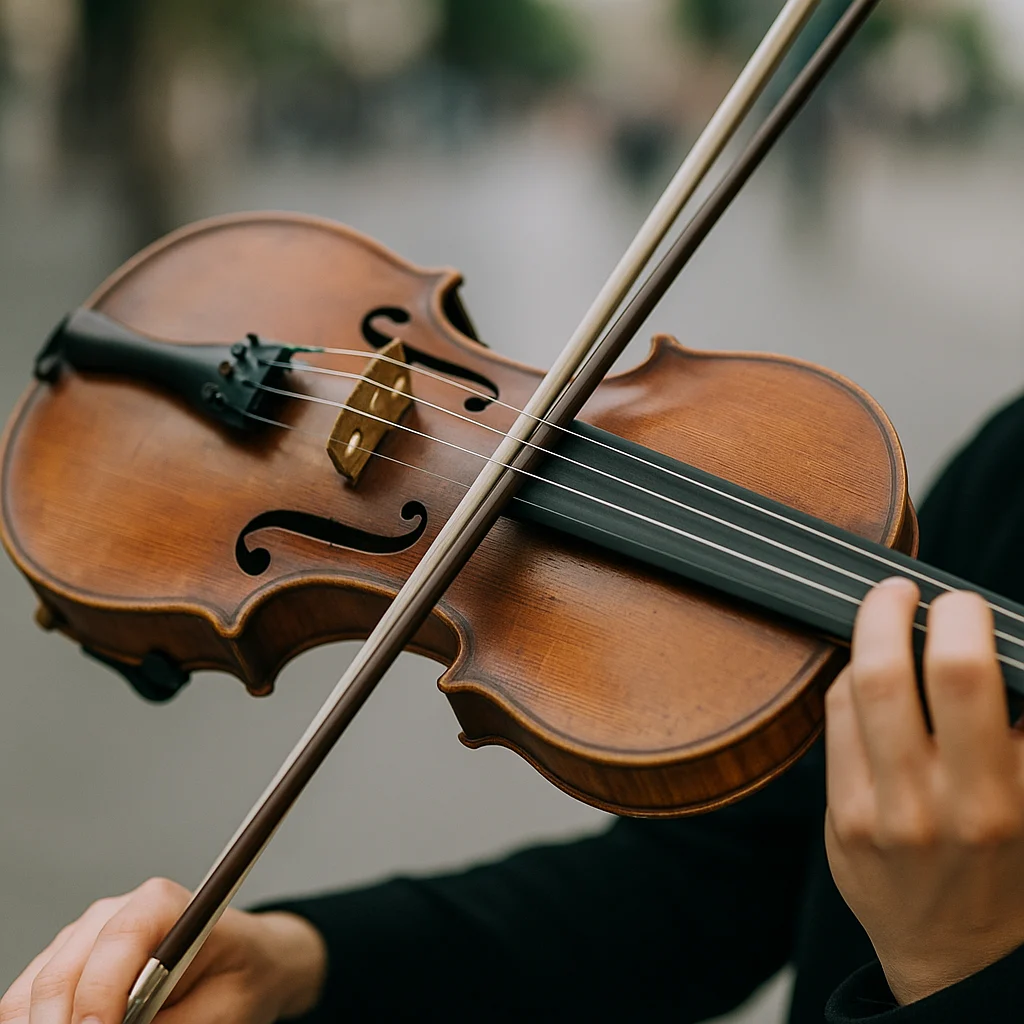
National Violin Day
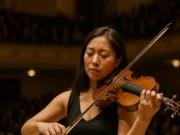
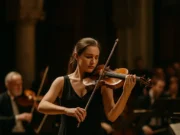
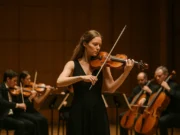
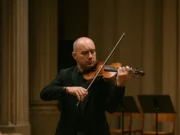
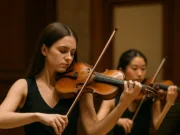
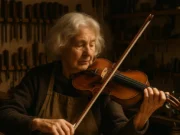
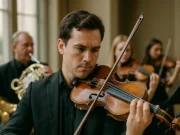
Every year on December 13, music enthusiasts worldwide celebrate National Violin Day, a tribute to the violin, also affectionately known as the fiddle. This day recognizes the artistry and enduring appeal of this bowed string instrument cherished across cultures and genres.
Techniques and Musical Roles of the Violin
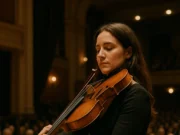
By skillfully drawing a bow across its strings, a violinist shapes not only the notes played but also the tone and expression of each sound. Mastery of various bowing techniques is essential for producing the instrument’s distinctive voice, influencing dynamics, articulation, and emotional impact.
While the violin is historically linked to classical music, its adaptability allows it to shine in diverse styles such as Baroque, jazz, folk, rock and roll, and soft rock. Its versatility highlights the violin’s unique ability to bridge traditional and contemporary music forms.
The word “violin” derives from the Medieval Latin term vitula, meaning a stringed instrument.
Historical Development of the Violin
The violin as we know it took shape predominantly in 16th-century Italy, where craftsmen refined its design and construction. Subsequent changes in the 18th and 19th centuries further shaped its modern form. Despite centuries of evolution, the violin maintains characteristics established during these formative periods.
Origins Among Nomadic Horsemen
Evidence suggests that Turkic and Mongolian horsemen from Inner Asia were among the earliest fiddle players. They employed two-stringed upright fiddles with horsehair strings and used horsehair bows. These instruments commonly featured a horse’s head carved on the neck’s end. Modern violins, violas, and cellos retain the use of horsehair in their bows, a legacy tracing back to these nomadic traditions.
- 1555 – Andrea Amati is credited with creating the oldest known four-string violin resembling those used today.
- The Lady Blunt Stradivari violin set a record when it sold for $15.9 million at auction on June 20, 2011.
- Violins crafted by Antonio Stradivari remain highly sought after by musicians and collectors worldwide.
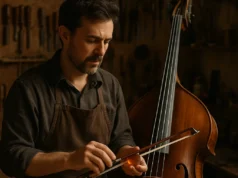
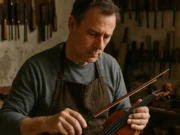
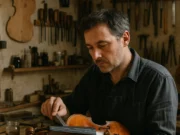
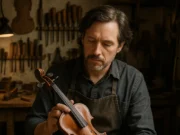
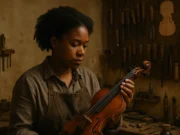
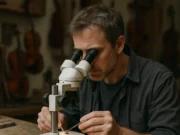
- A luthier is a specialized craftsman who builds and repairs violins.
Observing National Violin Day
The festive season provides a perfect opportunity to appreciate the violin through live or recorded performances. Attending holiday concerts that include violin pieces or gifting tickets to chamber orchestra performances can deepen appreciation for this instrument.
Additional ways to celebrate include:
- Streaming violin concerts online.
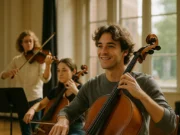
- Watching school or community performances featuring violins.
- Refreshing your own violin skills with lessons.
- Organizing a violin recital for local classrooms.
- Adding violin music to your personal playlists.
- Giving the gift of music lessons or season tickets to aspiring players during the holidays.
- Exploring the rich histories of musical instruments through educational resources.
Sharing your National Violin Day experiences on social media with the hashtag #NationalViolinDay helps connect fellow enthusiasts and spread awareness.
Additional Facts About the Violin
Frequently Asked Questions
Q: How many strings does a violin have?
A: Typically, a standard violin has four strings, but smaller-sized violins designed for younger players may have from four up to eight strings depending on the model.
Q: What are the different violin sizes?
A: The full-size adult violin is known as 4/4. Other sizes are fractional, designed to fit younger players, and include 3/4, 1/2, 1/4, 1/8, 1/10, and 1/16.
These smaller sizes enable children to begin learning violin comfortably as they grow.
— The Violin Post Editorial Staff