







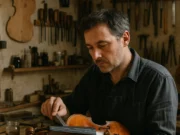




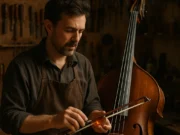






















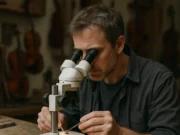
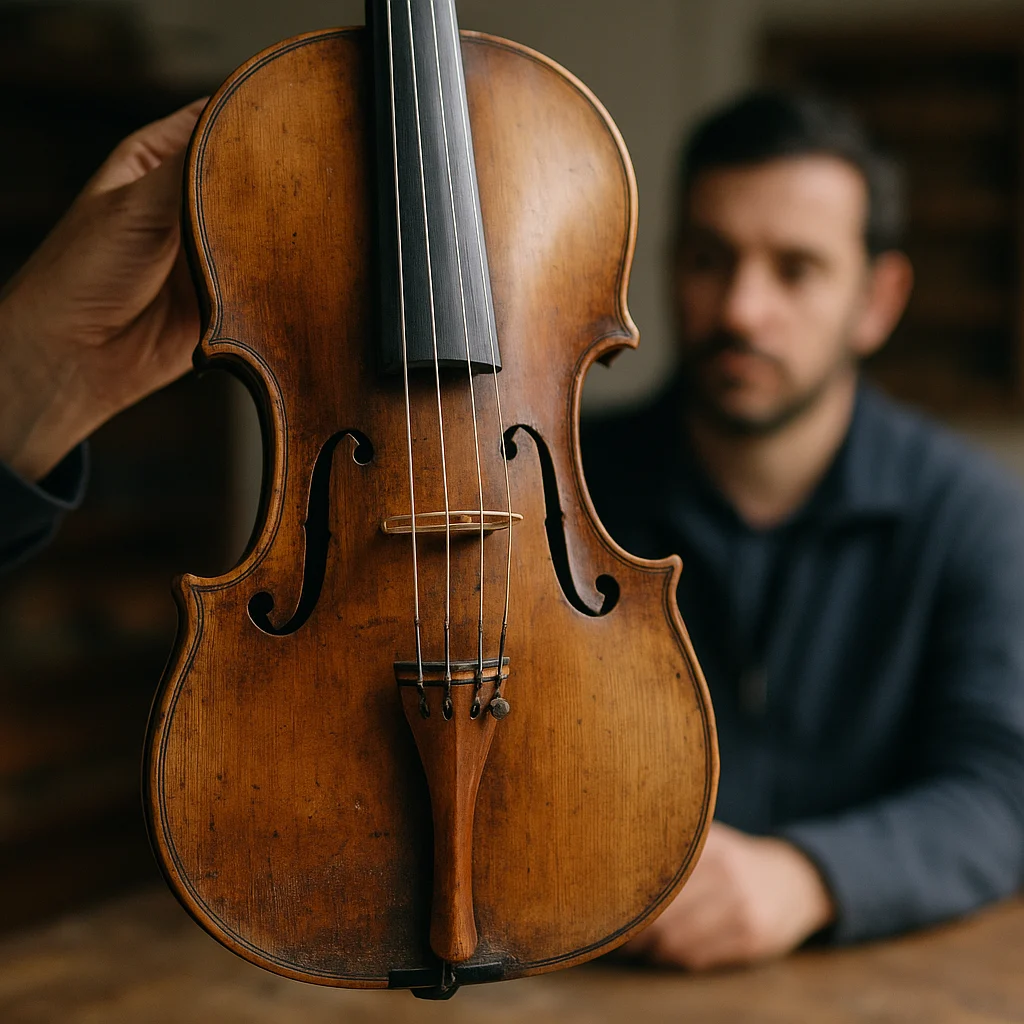
Antonio Stradivari, the famed Italian violin maker whose instruments are celebrated for their unparalleled sound quality, has long fascinated musicians and historians alike. Now, groundbreaking research published in Angewandte Chemie International Edition by an international consortium of scientists led by National Taiwan University unveils the secret chemical techniques that contributed to the unique tonal properties of Stradivarius violins.
Chemical Treatments That Enhanced Sound and Durability
Born in 1644 and active until 1737, Antonio Stradivari, along with his contemporaries such as Giuseppe Guarneri of Cremona, treated their string instruments — violins, cellos, guitars, and harps — with specific chemical agents to improve acoustics and protect against biological decay. The substances included alum, borax, copper compounds, lime water, and zinc. These chemicals not only deterred wood-boring insects and fungi but also contributed to the instruments’ remarkable sound quality that has eluded replication for over three centuries.
Guarneri’s instruments, often described as darker and more resonant compared to Stradivari’s, also employed similar chemical treatments, sparking ongoing debate among enthusiasts about which maker’s works are superior. Today, fewer than 200 original Stradivari instruments survive worldwide, with some fetching multi-million-dollar prices at auctions, underscoring their rarity and acoustic excellence. Guarneri violins sometimes command even higher values.
These violins, known as Cremonese violins due to their origin in Cremona, Italy, feature soundboards that were notably thinner and lighter than modern standards, making the chemical treatments on these surfaces especially impactful for sound production.
Insights From Modern Scientific Analysis
Building on decades of work by biochemist Joseph Nagyvary of Texas A&M University, who first proposed that chemical treatments influenced the violins’ acoustics, the new study employed microscopic, spectroscopic, and chemical analysis techniques. This detailed examination revealed unnatural oxidation patterns in the wood, indicating deliberate chemical application.
The researchers concluded that substances such as borax and metal sulfate served to suppress fungal growth, table salt regulated moisture, alum facilitated molecular crosslinking to strengthen the wood, and potash or quicklime created an alkaline environment. These treatments likely served dual purposes: preserving the wood over time and refining its acoustic properties.
Nagyvary emphasized the probable collaboration between Cremonese violin makers and local pharmacists, suggesting that drugstore-supplied chemicals were integral to achieving these lasting effects. However, due to the period’s secretive practices and lack of patents, the exact formulations remain partially obscured as closely guarded family secrets.
Future Directions and Historical Context
Further research aims to pinpoint the precise chemical ratios and understand how these compounds interacted with the wood to produce the violins’ distinctive sound. Expanding analysis to include a broader range of Golden Period instruments from 1660–1750 in Cremona could provide additional context and insights.
This study not only advances our understanding of the science behind the legendary Stradivarius sound but also highlights the intricate craftsmanship and interdisciplinary knowledge of 17th and 18th-century Italian luthiers.
Image credits: Painting of Antonio Stradivari in his workshop by Edgar Bundy (public domain); photograph of Joseph Nagyvary with violins (Texas A&M Today); modern violin shop in Cremona, Italy by Massimo Telò (CC BY-SA 3.0).
— The Violin Post Editorial Staff