






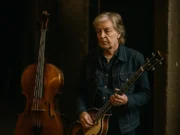













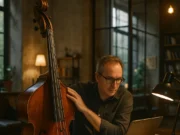


Few instruments are as instantly recognizable as Paul McCartney’s Höfner 500/1 bass, with its distinctive violin-shaped body, hollow construction, and warm, woody tone. For decades, this bass was inseparable from McCartney’s image, sound, and identity as a performer with The Beatles and beyond. The recent news that Höfner, the German company responsible for crafting this emblematic instrument, has ceased operations provokes reflection not only on a musical icon but also on the broader cultural and lutherie implications embedded in that bass’s story.
The Musical and Cultural Significance of the Höfner Bass
Emerging from the post-war lutherie tradition in Bubenreuth, Germany, Höfner built a reputation for innovative yet affordable string instruments. In 1955, the company introduced the 500/1 model, a violin-shaped hollow body electric bass that combined playability with aesthetic quirkiness. Its relatively lightweight and distinct look diverged from the bulkier, more conventional electric basses of the time.
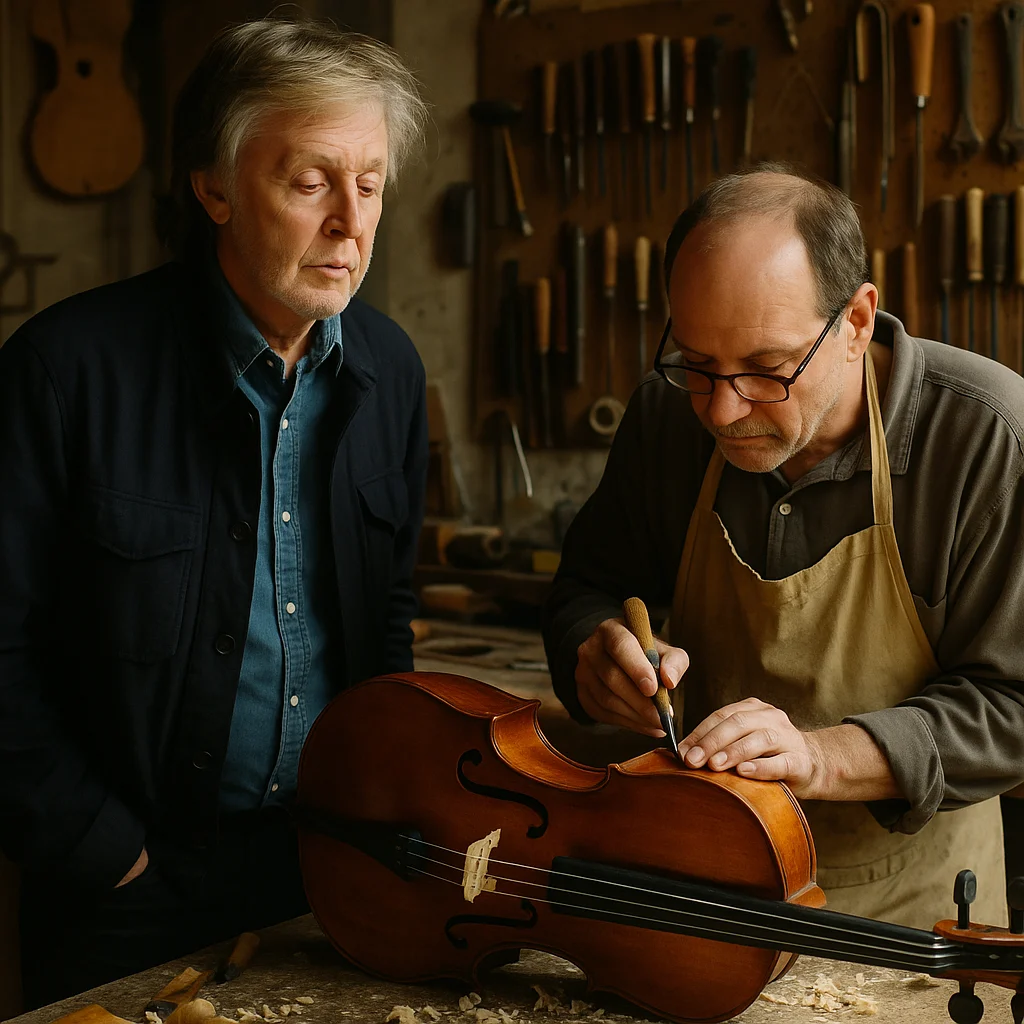
Paul McCartney’s adoption of the Höfner bass was a defining moment for both artist and maker. As a left-handed musician who found the 500/1 model’s design more accessible than other basses, McCartney’s choice elevated the instrument to international renown. The resonance and charm of the Höfner bass became a signature sound underpinning countless Beatles recordings and concerts, bridging the gap between rock, pop, and even more classical tonal sensibilities.
Beyond the realm of popular music, this bass resonates with violin and cello enthusiasts for its violinoid shape, which nods to the heritage of bowed string instruments. For performers and collectors, the Höfner stands as a symbol of cross-genre inspiration, linking craftsmanship tradition with modern performance needs.
Implications for Performers, Makers, and Instrument Heritage
The closure of Höfner’s original workshop presents challenges and opportunities within the wider lutherie and music communities. For professional bass players and students, the instrument represents an irreplaceable tonal and visual heritage. While Höfner instruments have been widely imitated, none perfectly replicate the distinctive balance of craftsmanship, materials, and historical aura that the original factory provided.
From a maker’s perspective, this development underscores the delicate balance between artisanal craftsmanship and commercial viability. The story of Höfner illustrates how economic pressures can undermine the preservation of specialized instrument-making traditions that are central to diverse musical cultures.
Institutions dedicated to musical heritage may now consider deeper engagement with preserving and promoting the technical knowledge and cultural significance embedded in Höfner’s legacy. For audiences, the bass’s unique sound serves as a reminder of how instrument design shapes musical expression across genres.
Looking Ahead: Honoring a Shared Musical Legacy
As the music world absorbs this news, McCartney’s public mourning highlights the profound personal and artistic bonds forged between musicians and their instruments. The Höfner bass is more than wood and strings; it is a vessel carrying decades of creative energy, historical moments, and cross-generational appeal.
For future generations, the hope remains that the spirit of Höfner’s craftsmanship will inspire makers to innovate thoughtfully, preserving the integrity and playability that artists cherish. Meanwhile, performers and educators can continue to celebrate this instrument’s iconic status as part of a living history spanning both popular and classical string traditions.
Why this matters
- Marks the end of an iconic instrument maker whose work significantly shaped popular and classical string music culture.
- Affects musicians, luthiers, collectors, and scholars invested in the preservation and appreciation of historic instrument craftsmanship.
- Highlights ongoing challenges in sustaining artisanal instrument-making amid modern market pressures.
- Challenges institutions and artists to actively preserve and promote the technical and cultural knowledge associated with such legacy instruments.
- Encourages audiences and professionals to reflect on the powerful relationships between instruments and musical identity.
Related topics
- The role of iconic instruments in shaping musician identity and sound.
- Preservation of artisanal lutherie traditions in contemporary classical and popular music contexts.
- How instrument design influences cross-genre musical innovation and performance practice.
Editorial Commentary
Instrument-centered articles are valuable because they connect sound, materials, construction, and performance practice. For specialists and enthusiasts alike, they provide insight into the physical objects that stand at the heart of musical interpretation.
Read in a broader way, this type of story helps explain why the history and evolution of the $instrument_label still matter today to makers, performers, collectors, educators, and serious listeners.
About The Violin Post
The Violin Post is an international editorial platform dedicated to violin making, classical performance, competitions, instruments, and the wider culture of the string world.
Its coverage connects news reporting with specialist context for readers interested in performers, makers, educators, institutions, and musical heritage.
Related Articles
- The Cello’s Resonant Voice Finds Ground in Jazz Music
- Violin Society of America Marks Half a Century with 50th Convention in Indianapolis
- Emerging Trends in Beginner String Instruments for 2025
— The Violin Post Editorial Staff