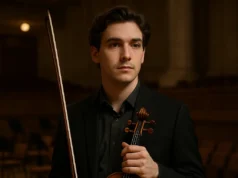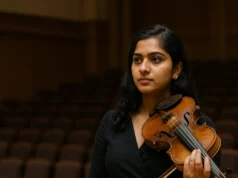

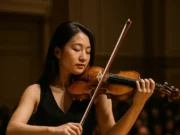
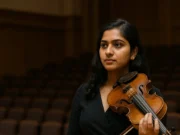
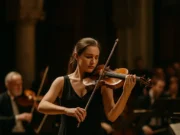
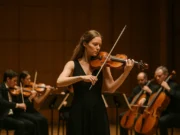
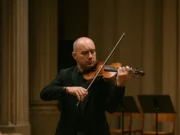
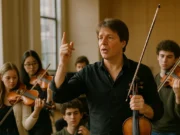
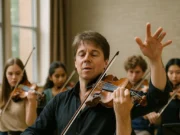
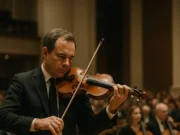
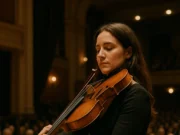

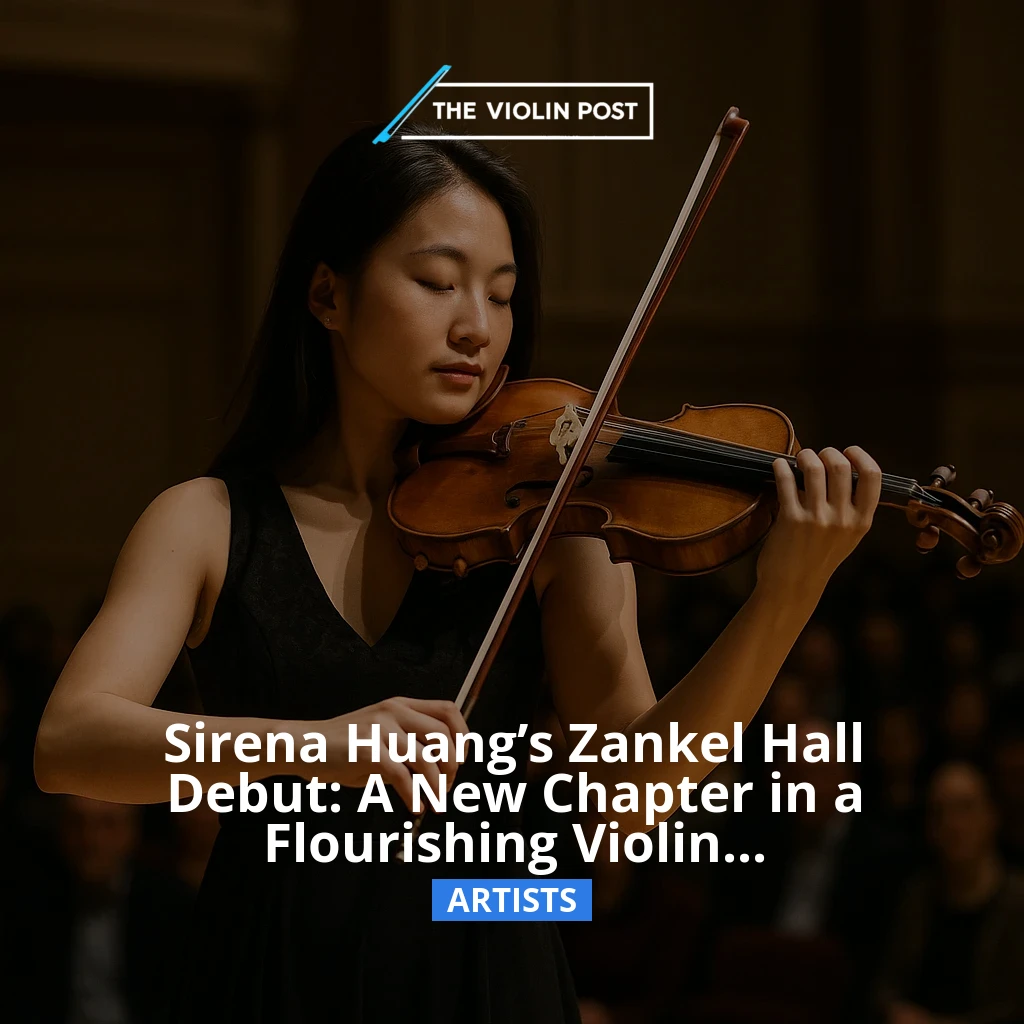
The anticipation surrounding Sirena Huang’s recital debut at Zankel Hall in New York City underscores a significant milestone in the career of this already distinguished violinist. Known for her incisive musicianship and technical prowess, Huang’s appearance in this intimate and acoustically celebrated setting invites renewed attention from performers, educators, and audiences alike, emphasizing the hall’s role as a vital platform for emerging and established artists.
The Significance of a Zankel Hall Recital
Located within the esteemed Carnegie Hall complex, Zankel Hall offers a smaller, more personal venue than its famous predecessor, Stern Auditorium. This setting allows recitalists to engage the audience with a directness and subtlety often lost in larger concert spaces. For a violinist of Huang’s calibre, the opportunity to perform a solo recital here is not merely logistical but symbolic—it signifies a moment to consolidate artistic identity and reach an audience eager for thoughtful programming and intimate musical dialogue.
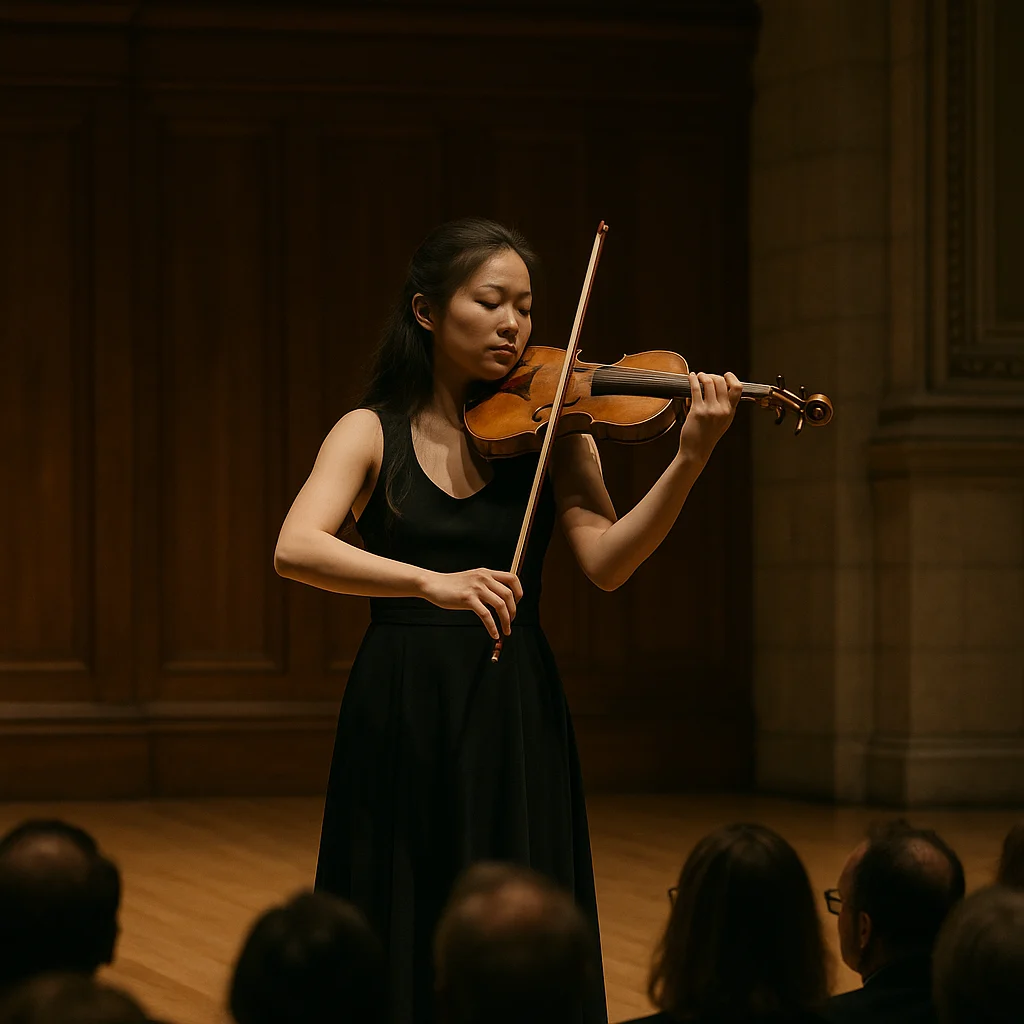
Such recitals frequently serve as a vital touchstone in building a career that balances solo projects and orchestral engagements. The ability to command a full program solo requires not only technical mastery but also interpretive depth and stamina, qualities that Huang has demonstrated through her prior performances and competition successes.
Implications for Performers and Enthusiasts
Huang’s recital debut will naturally interest a broad cross-section of the classical music community. Performers may find inspiration in her program choices and stylistic approaches, while students can look to her trajectory as a prototype for navigating the competitive landscape of concert violin performance. Additionally, concert promoters and presenters observe such events to gauge emerging trends in repertoire and performer development.
Collectors and connoisseurs of violin performance will also note the nuances of Huang’s technique and musical expression that are often most palpable in solo recitals. Beyond her individual story, these events reflect the ongoing vitality of violin repertoire and recital culture within the evolving concert hall ecosystem.
Looking Ahead: Building Momentum and Artistic Legacy
The Zankel Hall recital functions as both a destination and a waypoint. For Huang, it potentially opens doors to further prestigious recital invitations and enhances her visibility in a competitive international field. It also contributes to sustaining the broader classical music ecosystem by reinforcing the importance of recital formats that foster direct artist-audience connections.
As Huang prepares for this debut, her work continues the tradition of violinists who leverage such opportunities to deepen their artistic voice and broaden their impact. This event may not only mark personal advancement but also signal new interpretive insights and repertoire choices that inform contemporary violin performance practice.
Why this matters
- The recital debut at Zankel Hall indicates Sirena Huang’s growing artistic maturity and her capacity to engage audiences in a critical and intimate venue.
- Performers, educators, and students benefit from observing her approach to programming and interpretation in an important recital context.
- Zankel Hall’s role as a platform for emerging and mid-career artists underscores its influence in shaping concert culture and recital traditions.
- The event contributes to sustaining solo violin repertoire engagement among audiences and professionals.
- Future career opportunities and artistic developments often hinge on such landmark recital appearances, highlighting their strategic importance.
Related topics
- The evolving significance of recital halls in career development for classical musicians
- Programming trends in contemporary violin solo recitals
- The impact of venue acoustics and size on violin performance interpretation
Editorial Commentary
Artist-focused coverage is especially valuable because careers in the string world are built not only through performances, but through repertoire choices, collaborations, educational paths, and the ability to connect with audiences over time.
Seen from that perspective, this story helps readers place the featured musician within a broader professional and artistic conversation that matters to performers, presenters, students, and listeners alike.
About The Violin Post
The Violin Post is an international editorial platform dedicated to violin making, classical performance, competitions, instruments, and the wider culture of the string world.
Its coverage connects news reporting with specialist context for readers interested in performers, makers, educators, institutions, and musical heritage.
Related Articles
- Violinist Apoorva Krishna on the Grammy Consideration for ‘Only Love Is Real’
- Isidore String Quartet’s “Adorations”: A New Chapter in Contemporary Chamber Music
- Grace Park’s Debut Album Explores Depths of Dvořák and Mozart
— The Violin Post Editorial Staff