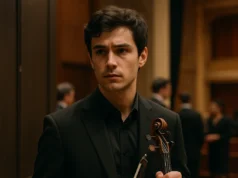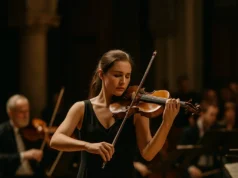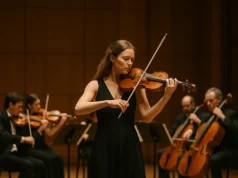

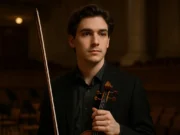
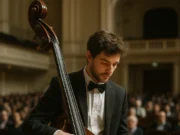
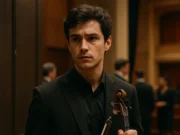
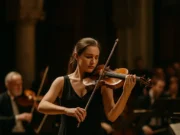
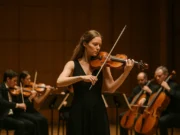
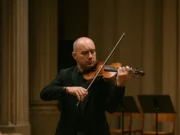
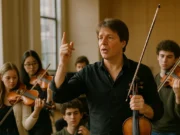
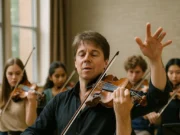
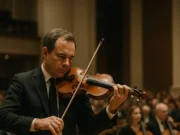
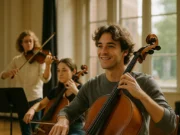
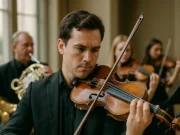
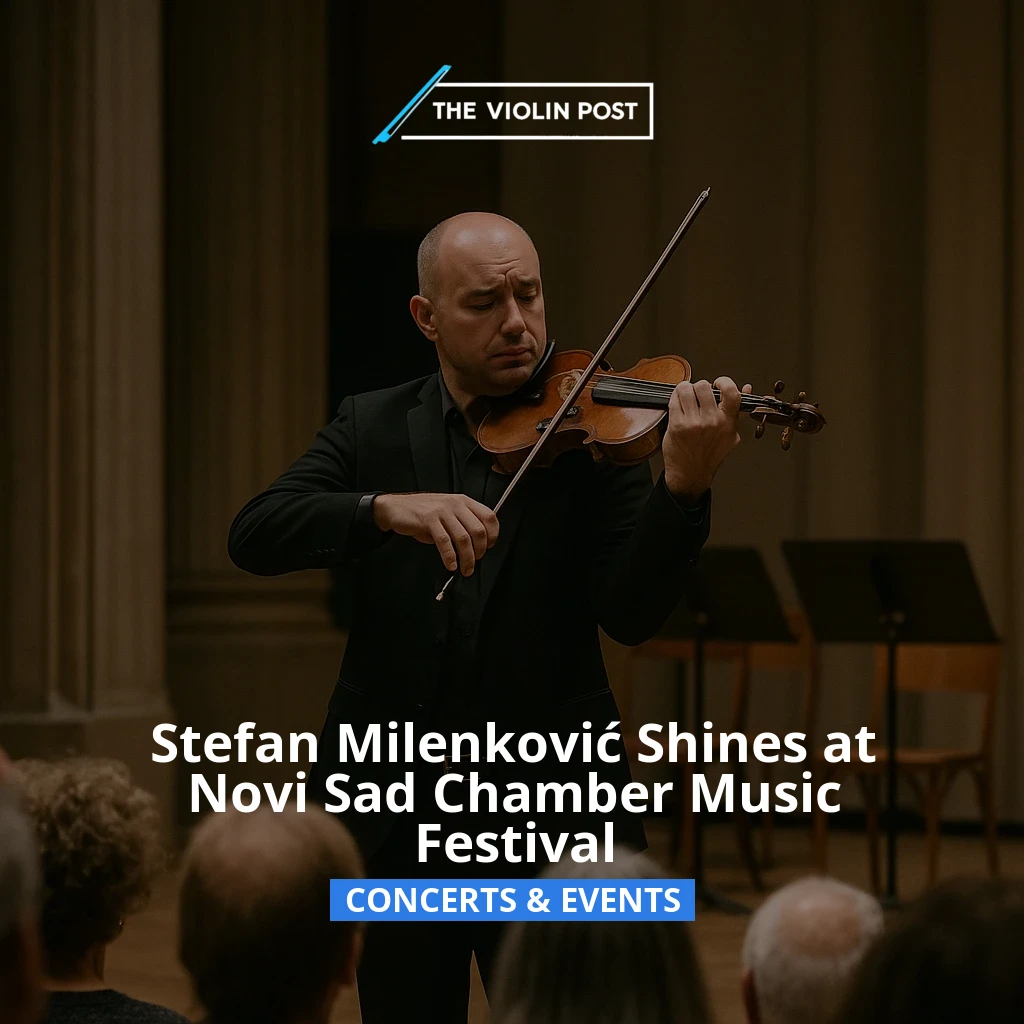
In the rich cultural tapestry of Serbia, Novi Sad’s chamber music festival has established itself as a vital platform for chamber repertoire and its interpreters. This year, it crowned violinist Stefan Milenković as its unequivocal star, capturing the attention of audiences and critics alike with his commanding presence and nuanced musicianship.
A Spotlight on Artistic Excellence in Novi Sad
Chamber music festivals occupy a unique niche in the classical music ecosystem, providing intimate settings where performers engage deeply with complex, often nuanced repertoire. Novi Sad’s event has historically fostered this intimate dialogue between artist and audience, shining a light on Serbia’s vibrant musical scene.
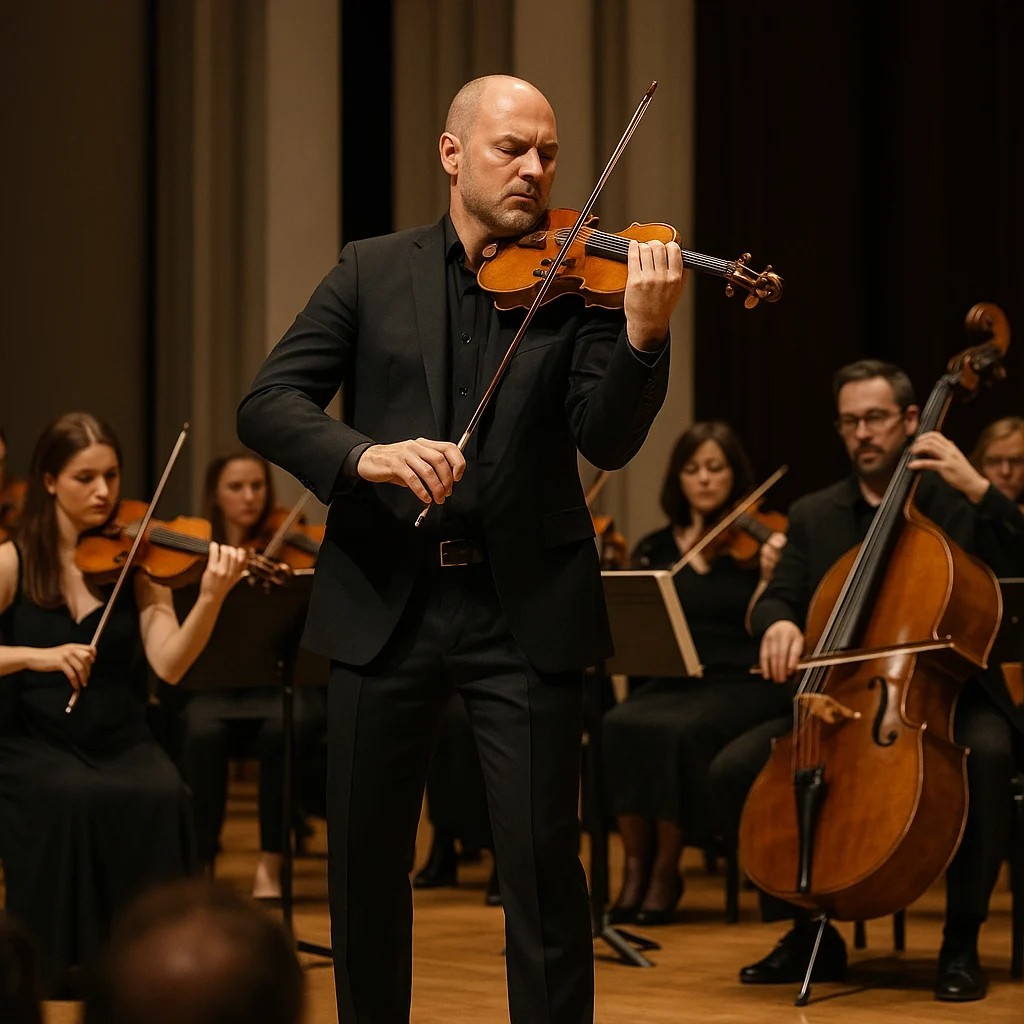
Stefan Milenković, a violinist of international repute, delivered performances that reaffirmed his mastery within this demanding genre. His interpretations brought clarity and emotional depth, underscoring chamber music’s enduring appeal beyond virtuosic display.
The Broader Implications for Performers and Audiences
For performers, such festivals serve as essential opportunities to refine ensemble skills and explore repertoire less frequently programmed in large concert halls. Milenković’s appearance demonstrates the importance of established artists lending their stature to chamber music events, inspiring younger generations of violinists and chamber musicians.
Audiences benefit from these gatherings by experiencing music in a setting that allows subtlety and interaction to come forward. This festival in Novi Sad not only celebrates the regional artistic heritage but also integrates Serbian musical life more fully into the international classical dialogue.
Chamber Music and the Classical Landscape
In today’s classical music world, where orchestral and solo career paths often dominate, chamber music festivals like Novi Sad’s play a crucial role. They provide continuity for traditions that demand close collaboration and highlight repertoire pivotal to the violin’s artistic evolution.
Moreover, such events encourage engagement among luthiers, composers, educators, and institutions, creating a vibrant ecosystem that supports the full breadth of string artistry—from solo recitals to intimate ensembles.
Why this matters
- It reaffirms chamber music’s significance within the international classical music scene, spotlighting Serbia as an active cultural contributor.
- Performers, particularly violinists and chamber musicians, witness the impact of artistic leadership from renowned figures such as Stefan Milenković.
- Students and emerging artists see tangible examples of professional pathways that include dedicated chamber work.
- Institutions and audiences benefit from sustained access to high-caliber performances in intimate settings.
- It offers a model for nurturing classical music heritage while encouraging innovative interpretations.
Related topics
- The role of chamber music festivals in sustaining classical traditions
- How established soloists influence the next generation through chamber music collaborations
- The evolving place of chamber music within the modern classical music market
Editorial Commentary
Concert reporting matters because live performance remains the place where interpretation, repertoire, audience response, and artistic identity meet most visibly. For the string community, events like this also reveal how institutions and local scenes help sustain musical culture.
Beyond the single occasion, this kind of article helps readers understand programming choices, community engagement, and the evolving role of concerts in keeping the repertoire of the violin family present and relevant.
About The Violin Post
The Violin Post is an international editorial platform dedicated to violin making, classical performance, competitions, instruments, and the wider culture of the string world.
Its coverage connects news reporting with specialist context for readers interested in performers, makers, educators, institutions, and musical heritage.
Related Articles
- North Shore Chamber Music Festival Highlights Duo of Anna Kesselman and Fiona Khuong-Huu
- Seoul Chamber Music Festival Shines Spotlight on Mozart and Emerging Talents
- Prestigious Performers and Returning Artists Set the Tone for PMF’s 2026 Season
— The Violin Post Editorial Staff