






Igor Stravinsky’s Firebird suite from 1911 remains a cornerstone of early 20th-century orchestral repertoire, with its finale standing out as a compelling synthesis of mythic storytelling and orchestral brilliance. Recent discussions about the instrumental arrangements featured in this finale invite a deeper examination of the composer’s orchestration techniques and their implications for performance and interpretation.
The Firebird Finale: Orchestration and Impact
Stravinsky’s Firebird suite emerged from his first major commission with Sergei Diaghilev’s Ballets Russes. The suite, drawn from the full ballet score, condenses several sections including the vividly dynamic finale. This segment is renowned for its layered textures, vivid instrumental color, and dramatic narrative resolution, which make it a favored study piece among conductors and orchestras worldwide.
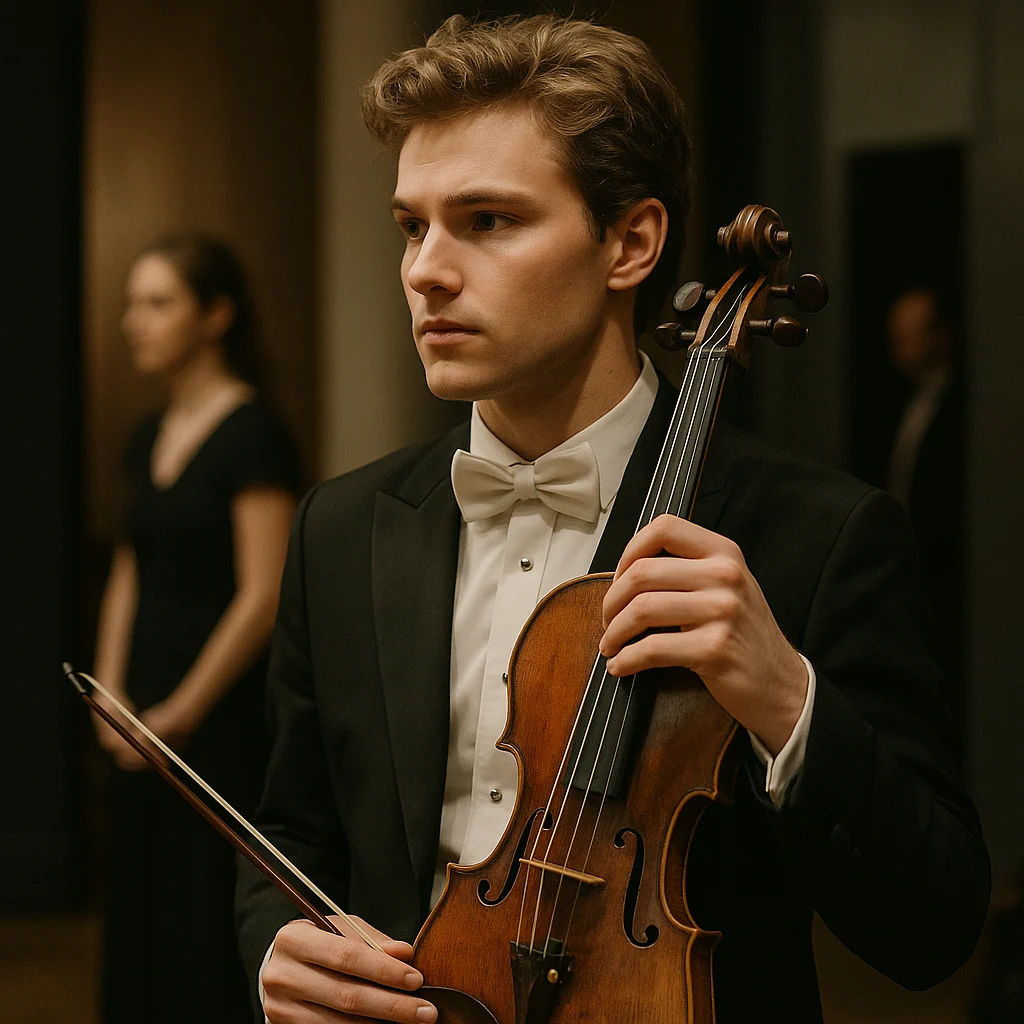
The arrangement choices for this finale have long been a subject of interest for musicians and scholars. The instrumentation is carefully crafted to balance the lushness of the Russian fairy tale’s magical atmosphere and the precise articulation of the musical themes. The distinct voices of strings, woodwinds, brass, and percussion all interweave to create a sonorous tapestry, illustrating the transformation and triumph central to the ballet’s storyline.
Significance for Performers and Audiences
For performers, particularly orchestral musicians and conductors, the finale demands both technical agility and an acute sensitivity to the shifting colors and dynamic contours. The suite often serves as a gateway repertoire that blends virtuosic challenges with expressive storytelling, offering insight into early modern orchestration techniques. It is also a vital resource for students and educators interested in bridging classical and modern idioms.
From the audience’s perspective, hearing the finale in various instrumental arrangements highlights the adaptability and enduring appeal of Stravinsky’s musical language. Each arrangement can shed new light on the textural interplay, inviting listeners to experience the familiar material afresh while appreciating the composer’s innovative orchestration.
Contextualizing the BBC’s Exploration of the Firebird
Institutions such as the BBC play a significant role in revisiting and showcasing canonical works like The Firebird suite. Their focus on instrumental arrangements provides a platform for illuminating how such pieces remain vital in contemporary programming and scholarship. Broadcasts and recordings that present these arrangements contribute to the evolving understanding and dissemination of classical repertoire.
Moreover, this work’s placement within the BBC’s classical offerings underscores the continued relevance of early 20th-century music, encouraging programming decisions that balance historical significance with ongoing artistic exploration. It also serves collectors and audiences with an interest in the detailed craft of composition and orchestration.
Why this matters
- The Firebird suite’s finale exemplifies critical developments in orchestration that influence classical performance practice today.
- Musicians, educators, and students gain valuable insights into the technical and interpretive challenges inherent in early modern scores.
- Audience engagement with varied arrangements enriches the listening experience and deepens appreciation of Stravinsky’s artistry.
- Institutional platforms that spotlight such works contribute to preserving and expanding the classical music canon.
- Ongoing discourse around these pieces supports the vitality of orchestral music in modern cultural contexts.
Related topics
- The role of orchestral suites in bridging ballet and concert repertoires
- Techniques and trends in early 20th-century orchestration
- How public broadcasters shape contemporary classical music appreciation
Editorial Commentary
Instrument-centered articles are valuable because they connect sound, materials, construction, and performance practice. For specialists and enthusiasts alike, they provide insight into the physical objects that stand at the heart of musical interpretation.
Read in a broader way, this type of story helps explain why the history and evolution of the $instrument_label still matter today to makers, performers, collectors, educators, and serious listeners.
About The Violin Post
The Violin Post is an international editorial platform dedicated to violin making, classical performance, competitions, instruments, and the wider culture of the string world.
Its coverage connects news reporting with specialist context for readers interested in performers, makers, educators, institutions, and musical heritage.
Related Articles
- Diapasonix: A Compact Synth Innovates for String Players Using Raspberry Pi Pico 2
- Italian Double Bass Worth $150,000 Reported Stolen in New York
- Unusual Designs in Traditional Musical Instruments: A Closer Look at Innovation and Experimentation
— The Violin Post Editorial Staff