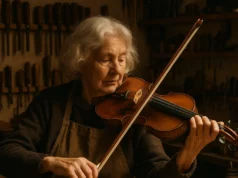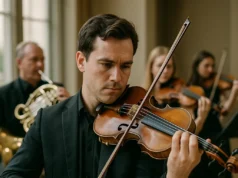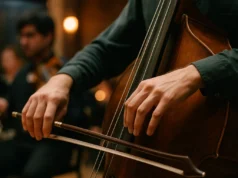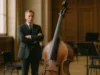

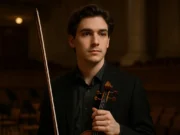
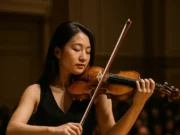
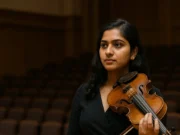
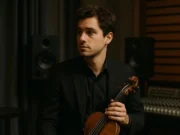
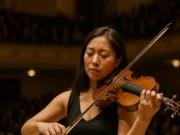
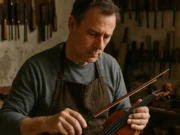
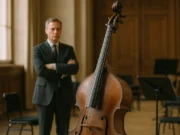
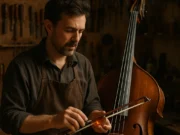
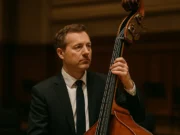
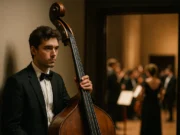
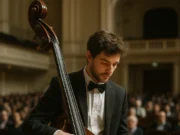
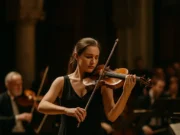
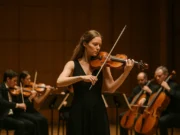
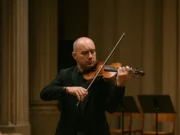
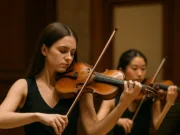
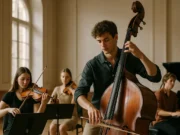
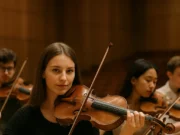
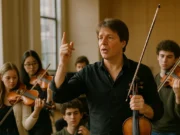
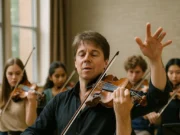
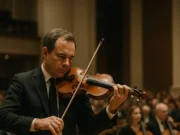
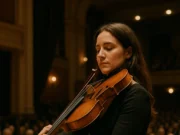
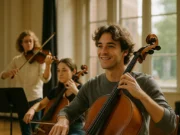
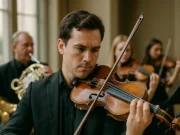

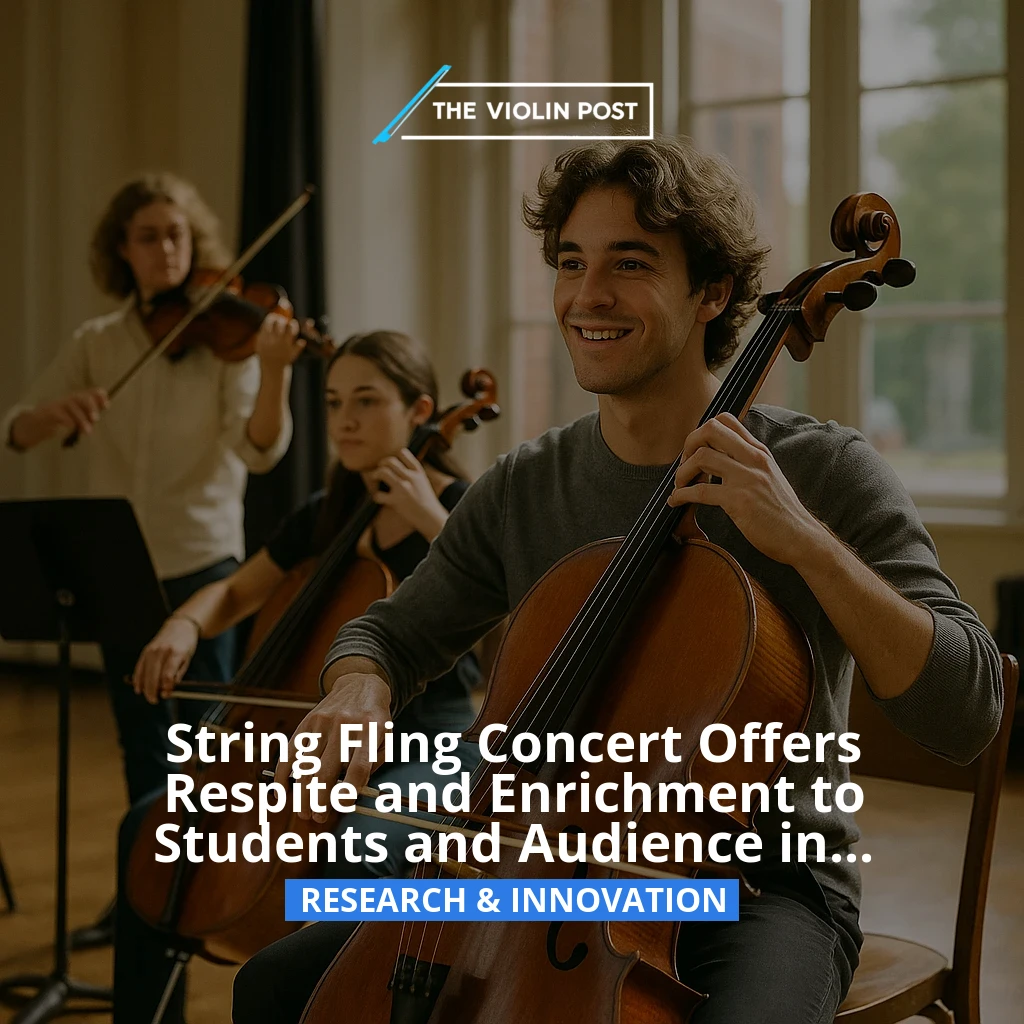
In Burlington, Iowa, the String Fling concert provided a welcome moment of calm and cultural enrichment for local students and the wider audience. This gathering demonstrated the enduring power of string instruments—violins, violas, cellos, and basses—to connect communities and support educational initiatives.
A Musical Embrace for Students
The concert’s effect on students was notable, offering more than just entertainment. For many young attendees, this experience was an opportunity to engage deeply with the nuances of string repertoire, inspiring both novice and experienced players alike. The intimate setting allowed the music to resonate more personally, fostering a connection between performers and listeners that transcends the usual classroom or concert hall environment.
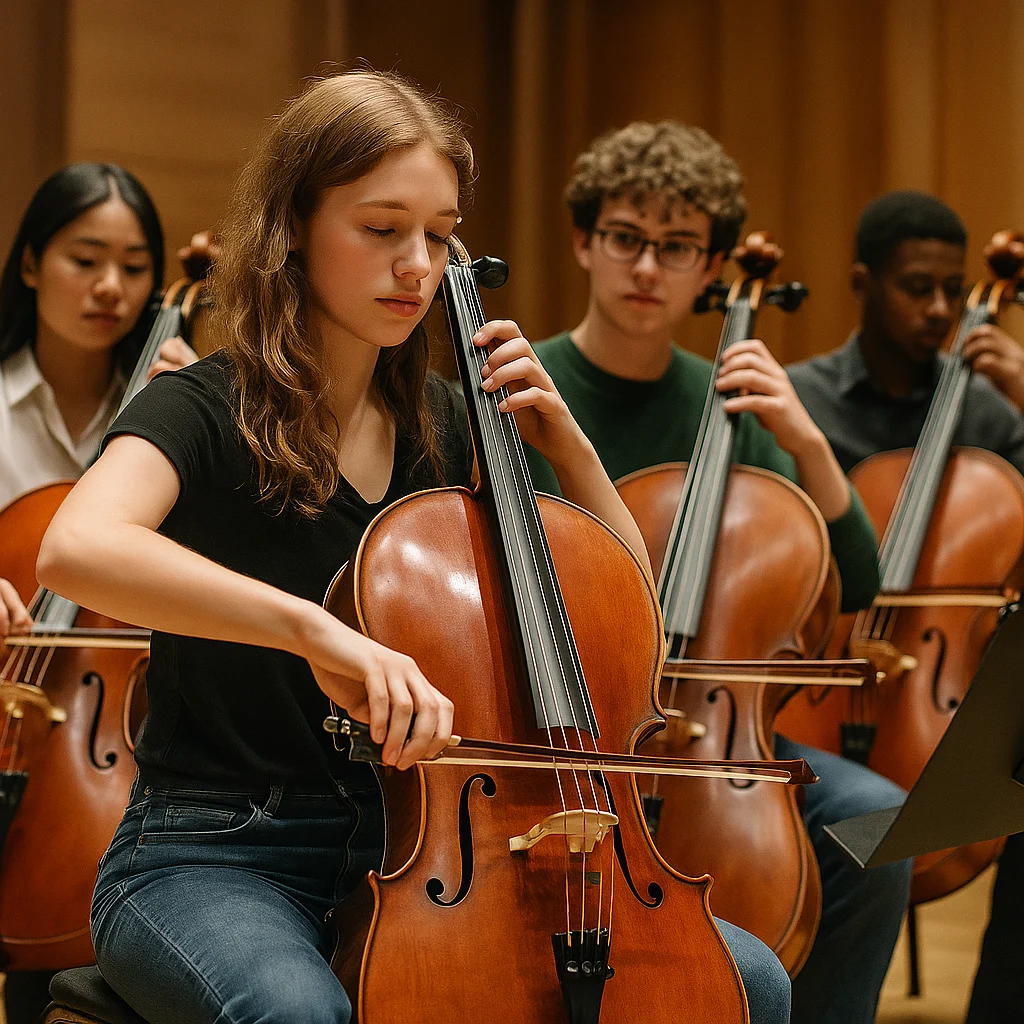
Music educators often emphasize the importance of live performance in complementing formal instruction. Events like String Fling can ignite enthusiasm and provide tangible illustrations of technical skills, tone production, and ensemble cohesion. Such concerts often serve as critical touchpoints that influence students’ long-term dedication to their instruments.
Community and Cultural Impact
Beyond the student body, the concert invited the broader community to experience the richness of string music firsthand. In many regional centers, access to live classical music can be limited, making such events pivotal for cultural vitality. The blending of performers’ artistry and audience receptivity in a communal setting reinforces the cultural fabric that supports classical music traditions.
Classical music concerts featuring string ensembles play a significant role in sustaining local music scenes and lutherie appreciation. They often stimulate interest in the craft of string making and maintenance, which in turn bolsters related professions and artistic disciplines. The outreach dimension inherent in such events also supports orchestras, chamber groups, and soloists by cultivating future audiences and patrons.
Strings as a Versatile Educational Tool
String instruments have long been valued for their versatility across musical periods and styles. In educational contexts, they facilitate learning about sound production, music theory, and historical interpretation. The resonance and expressiveness possible with strings provide a sensory connection that textbooks alone can seldom achieve.
Concerts like String Fling serve to showcase these attributes, often featuring repertoire spanning baroque, classical, romantic, and contemporary genres. This breadth introduces listeners to the evolving character of string music and its relevance today, encouraging students and audiences alike to deepen their appreciation and knowledge.
Why this matters
- The String Fling concert underscores the ongoing need for live musical experiences in education and community settings.
- Students benefit directly through exposure to professional-level performances that enhance their own musicianship and motivation.
- The local community gains cultural enrichment and opportunities to connect with classical string traditions.
- Events like this help sustain the classical music ecosystem by nurturing future performers, audiences, and supporters.
- They highlight the importance of continuing to provide access to the performing arts outside of major metropolitan centers.
Related topics
- The role of community concerts in developing young string players
- Educational benefits of live classical music for students
- Connecting lutherie and performance through outreach programs
Editorial Commentary
Research and innovation stories matter because they reveal how the world of string instruments continues to evolve through acoustics, materials science, pedagogy, technology, and new forms of collaboration between artists and specialists.
For readers of a specialist publication, this broader perspective is useful in understanding which developments may influence the future of performance, instrument making, conservation, and audience experience.
About The Violin Post
The Violin Post is an international editorial platform dedicated to violin making, classical performance, competitions, instruments, and the wider culture of the string world.
Its coverage connects news reporting with specialist context for readers interested in performers, makers, educators, institutions, and musical heritage.
Related Articles
- Rediscovering the Bow: A Brighton Violinist’s Remarkable Return at 84
- Exploring the Resonant Blend of French Horn and Strings in New Mexico Tech’s Presidential Chamber Music Series III
- Virginia Tech Students Commemorate Luthier Daniel Foster with Memorial Concert
— The Violin Post Editorial Staff