





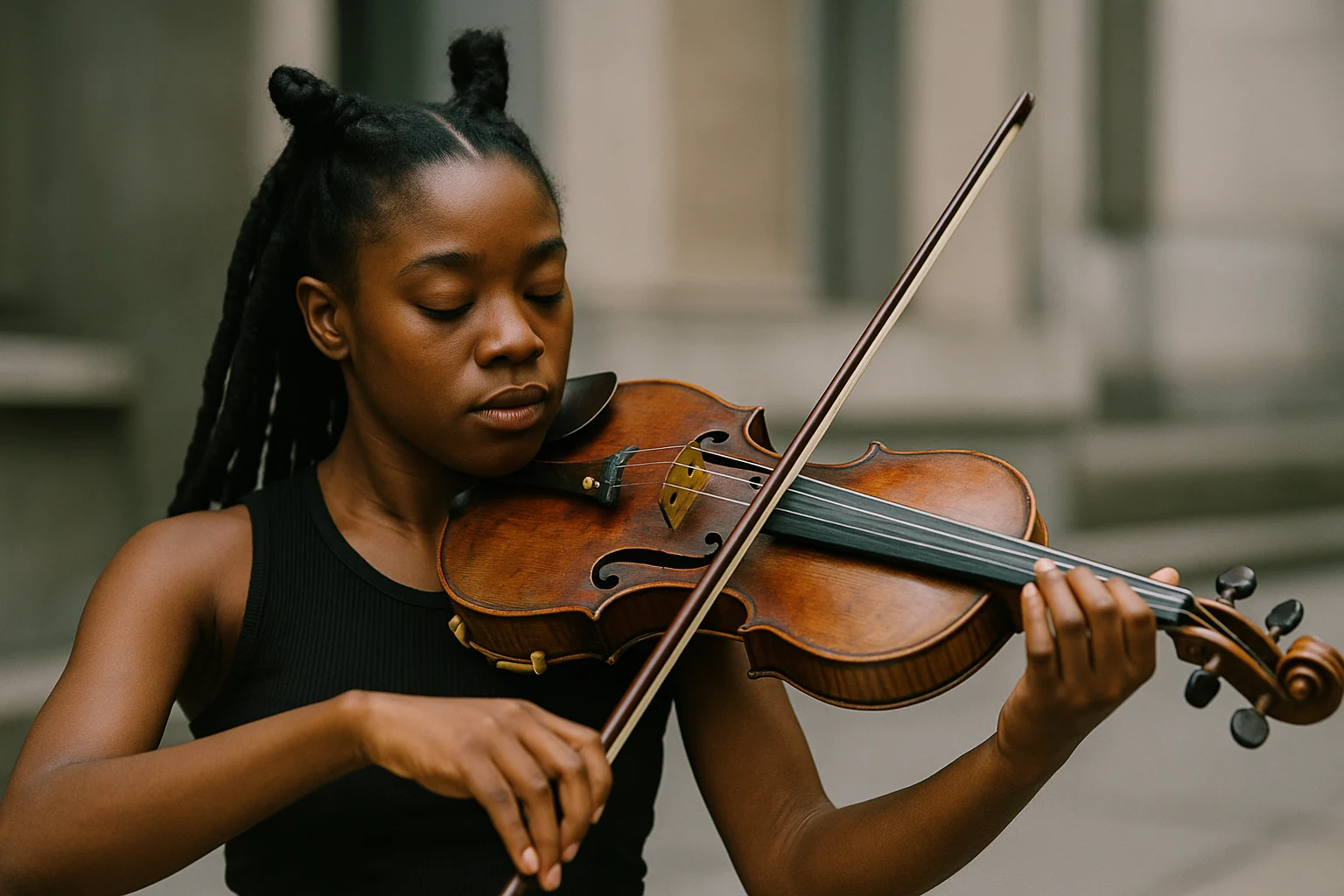
Sudan Archives, known for her innovative approach to violin performance and musical composition, has shared insights into her artistic process, emphasizing the integration of technology and collaborative efforts in her work.
Sudan Archives Discusses Violin Performance, Technology, and Artistic Collaboration – Research & Innovation
Speaking about her experience with the violin, Sudan Archives highlights how the instrument remains central to her music while also serving as a bridge to broader sonic explorations. She discusses the ways in which technological tools have expanded her creative possibilities, allowing for new forms of expression beyond traditional violin techniques.
Technological advancements, such as digital recording, looping, and production software, have empowered musicians like Sudan Archives to experiment with sound and structure in ways previously unavailable. This emergent landscape provides artists with more autonomy and creative freedom, often referred to as technological liberation, by facilitating self-production and independent artistic control.
Collaboration also plays a vital role in Sudan Archives’ artistry. Interactions with other musicians and producers foster dynamic creative exchanges that enrich the musical output and allow for innovative combinations of styles and influences. This collaborative spirit is indicative of broader trends within the contemporary music scene, where genre boundaries are increasingly fluid.
This conversation is particularly relevant for violinists, violists, cellists, and double bassists seeking to expand their musical horizons in the digital age. It underscores the potential for integrating classical string techniques with modern technology and cross-genre collaboration to create fresh artistic statements.
Within the wider classical and contemporary music ecosystem, Sudan Archives represents a generation of musicians who challenge traditional categorizations by blending classical training with electronic and popular music elements. This approach encourages a rethinking of the violin’s role and fosters innovation in performance and composition.
As technology continues to reshape the landscape of musical creation, insights from artists like Sudan Archives provide valuable perspectives on balancing tradition with innovation. Her experiences illustrate the evolving possibilities for string players and the importance of adaptability and openness within the profession.
For professional musicians and students alike, understanding these developments is crucial for career development and artistic growth. Sudan Archives’ work exemplifies how embracing new tools and collaborative methods can lead to meaningful and impactful music-making in the 21st century.
— The Violin Post Editorial Staff