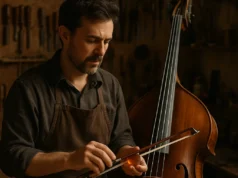




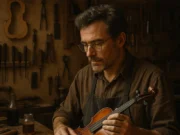
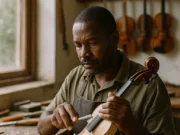
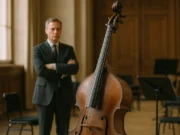
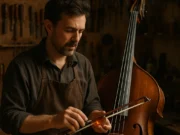
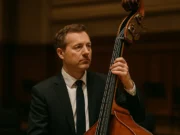
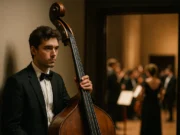


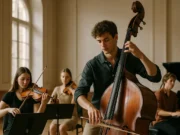


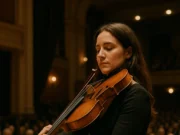
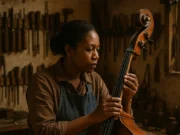


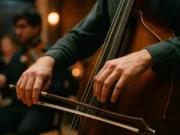
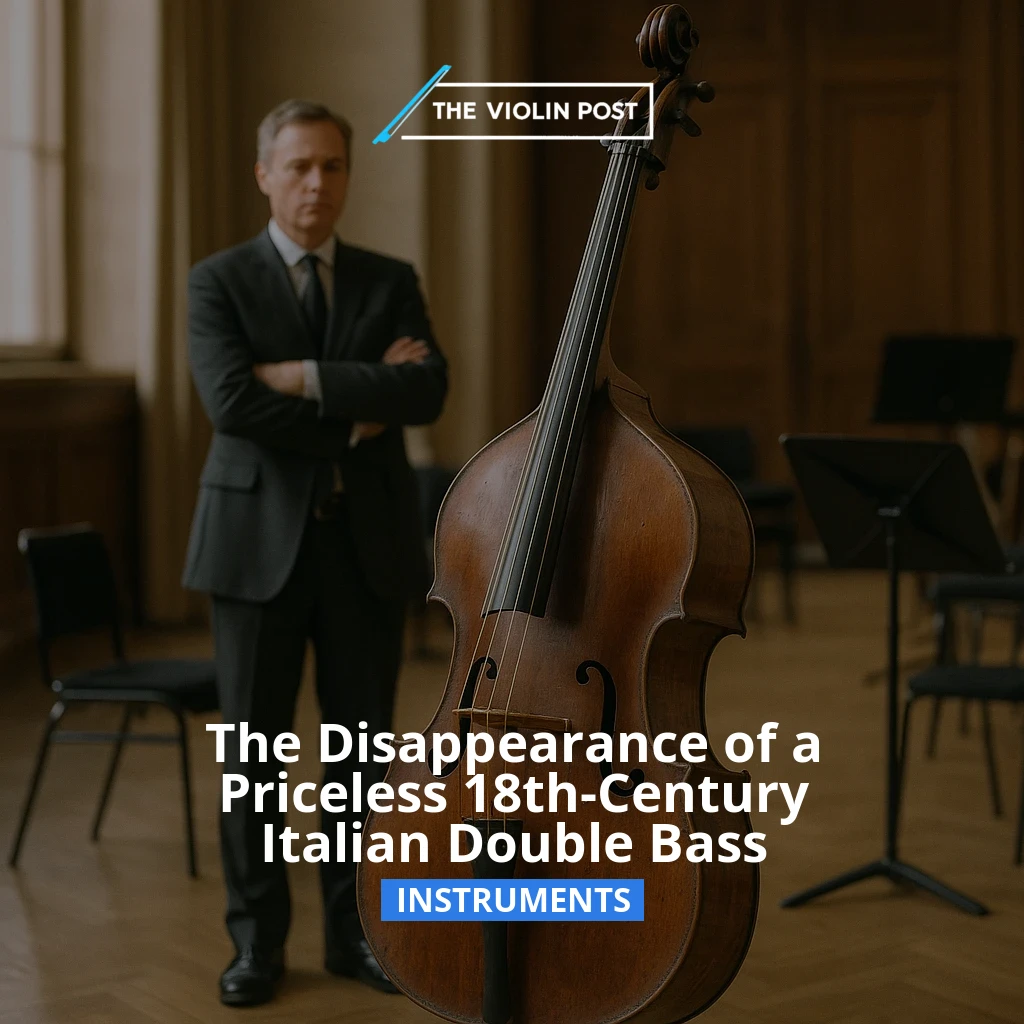
One of the world’s treasured historical double basses, an Italian instrument dating from the 18th century and appraised at approximately $150,000, has been reported missing. The loss touches a sensitive nerve in the classical music world, emphasizing the vulnerability of antique instruments that serve both as cultural artifacts and active tools for performance.
A Loss Reverberating Beyond the Concert Hall
Double basses from the Italian tradition of the 1700s are exceedingly rare. Such instruments encapsulate centuries of craftsmanship and influence the tone and texture in orchestral and solo performances. The missing bass not only represents a significant monetary value but also carries an intangible cultural heritage linking contemporary musicians to centuries of musical evolution. For performers and institutions, the disappearance means a gap in the availability of these nuanced sound sources that enrich interpretations of classical repertoire.
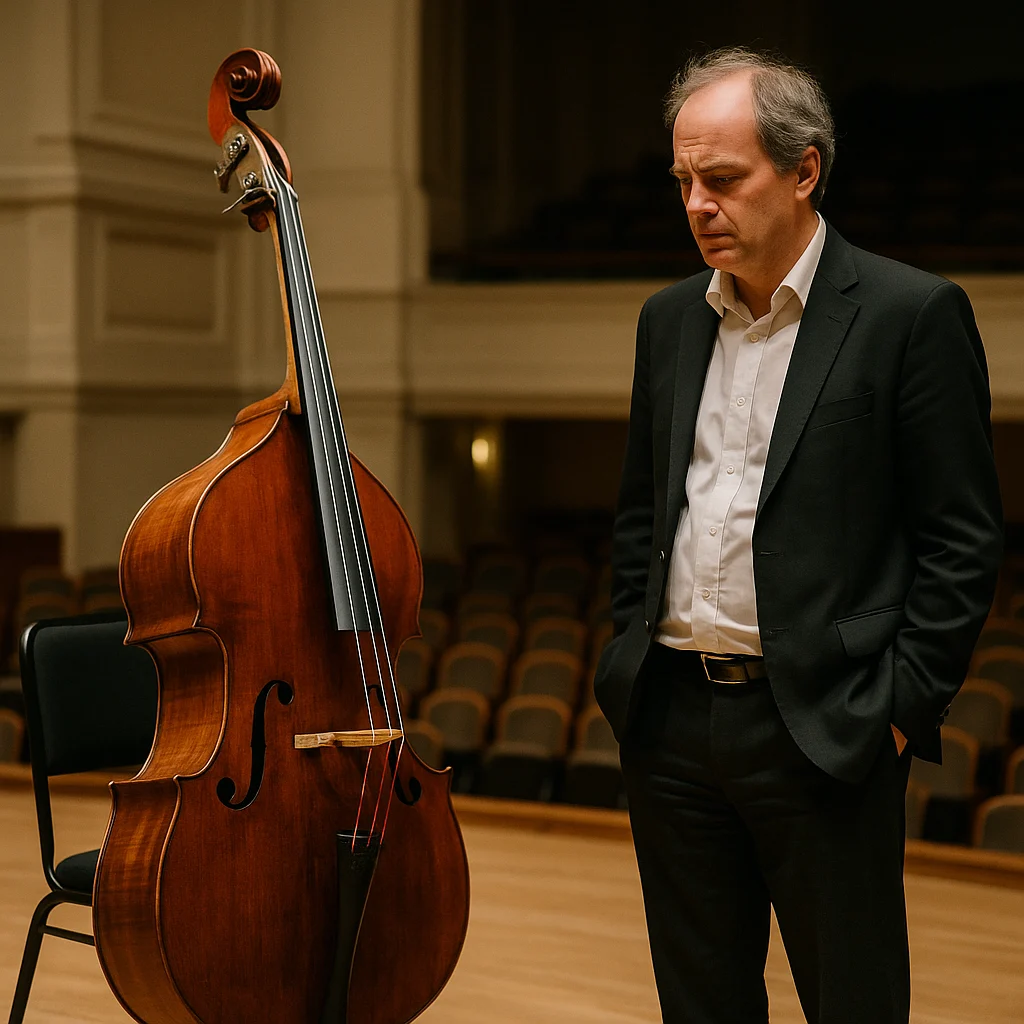
Collectors and luthiers are similarly affected. For makers specializing in historical Italian styles, the absence of authentic models limits their direct study opportunities. Collectors, who often serve as custodians of these instruments, lose a unique piece of the violin family’s legacy. The disappearance raises questions about security protocols at venues, storage facilities, and other locations where such instruments are housed or showcased.
Contextualizing the Situation within the Classical Music Ecosystem
Rare stringed instruments, especially those crafted by renowned Italian makers from the 17th and 18th centuries, consistently draw attention due to their renowned tonal qualities and historical significance. They are vital to soloists, chamber musicians, and orchestras striving for authentic soundscapes. The loss of any such instrument impacts access to these resources and introduces complexities in performance choices and programming.
Historically, safeguarding older instruments has been challenging due to their portability and value. Incidents of theft or loss are reminders of the tensions between public accessibility and private protection. They amplify the calls for enhanced tracking technologies and more rigorous custodial care, which benefit not only individual musicians but cultural institutions and audiences worldwide.
Why this matters
- This event underscores the ongoing risk faced by rare antique instruments, illuminating the need for improved security and custodianship.
- Performers, conservatories, orchestras, and collectors stand to lose irreplaceable sources of musical tradition and tonal excellence.
- It highlights the fragility of cultural heritage embedded in these instruments, reminding the community to prioritize preservation efforts.
- The repercussions extend beyond financial loss, affecting artistic practices and the authenticity of historically informed performances.
- Readers should watch for updates on recovery efforts and any industry responses aimed at preventing similar occurrences.
Related topics
- The role of historic instruments in shaping orchestral sound and chamber music interpretation.
- The challenges of insuring, tracking, and protecting valuable string instruments in the modern era.
- The importance of lutherie research and replication in preserving musical heritage amid losses and damages.
Editorial Commentary
Instrument-centered articles are valuable because they connect sound, materials, construction, and performance practice. For specialists and enthusiasts alike, they provide insight into the physical objects that stand at the heart of musical interpretation.
Read in a broader way, this type of story helps explain why the history and evolution of the $instrument_label still matter today to makers, performers, collectors, educators, and serious listeners.
About The Violin Post
The Violin Post is an international editorial platform dedicated to violin making, classical performance, competitions, instruments, and the wider culture of the string world.
Its coverage connects news reporting with specialist context for readers interested in performers, makers, educators, institutions, and musical heritage.
Related Articles
- Natural Rosin Innovations: Enhancing String Instrument Performance with Low-Dust Formulations
- Reimagining Holst’s ‘Mars’: The BBC’s New Instrumental Arrangements Illuminate a Classic
- Stravinsky’s Firebird Suite Finale: A Closer Look at Instrumental Arrangements
— The Violin Post Editorial Staff