







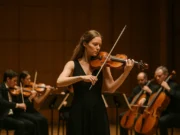
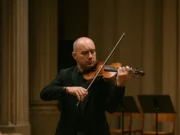



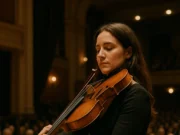
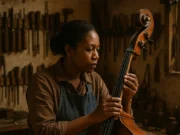



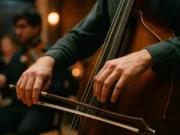
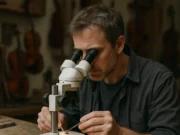

When an artist like SINK releases a work titled ‘Flaw State,’ it invites the classical music community—especially violinists, violists, cellists, double bassists, and their makers—to consider the expanding boundaries of the string repertoire and sound aesthetics.
Contemporary Explorations in String Music
While ‘Flaw State’ originates outside mainstream classical concert programming, its presence in conversations around new music highlights a significant trend: the increasing cross-pollination between experimental electronic or electroacoustic music and acoustic string performance. This convergence challenges and inspires performers to reimagine their instruments’ expressive capabilities. For luthiers, composers, and educators, such works underscore the instrument’s evolving role—not only as a bearer of centuries-old repertoire but also as a partner in cutting-edge sonic experimentation.
Implications for Performers and the Classical Ecosystem
For string players trained in classical traditions, encountering music like ‘Flaw State’ represents both a challenge and an opportunity. Technical demands may include unconventional bowing techniques, extended timbres, or synchronization with electronic soundscapes—skills that expand a performer’s versatility. Moreover, these practices impact pedagogical approaches, influencing how institutions prepare their students for a landscape where the boundaries between genres and technologies blur.
Concert programmers and competition juries increasingly recognize the importance of versatility, prompting consideration of contemporary works during auditions and recitals. Furthermore, audiences benefit from exposure to new sound worlds, aiding in bridging generational and stylistic divides.
Positioning ‘Flaw State’ Within Classical Discourse
Although ‘Flaw State’ and similar compositions may sit outside traditional violin or string repertoire, their relevance to the classical community comes from encouraging dialogue about innovation, tradition, and future directions. They stimulate conversations about the role of technology and new sonic vocabularies in intimate instrumental settings.
As such, they invite makers, players, and listeners to rethink notions of purity and imperfection—concepts evoked by the title itself. Instruments and performers alike find creative vitality in negotiating the tensions between classical technique and modern sound aesthetics.
Why this matters
- It marks a practical instance of how contemporary music challenges and enriches classical string performance.
- The piece influences performers, educators, and luthiers to adapt and innovate in technique and instrument making.
- Audience engagement evolves, broadening appreciation for new music within classical settings.
- It reflects broader trends in classical music’s integration with technology and experimental sound.
- Understanding such works helps institutions and musicians anticipate future directions in programming and pedagogy.
Related topics
- The role of technology in expanding the violin’s sonic palette
- Contemporary music’s impact on string pedagogy and performance practice
- Innovations in lutherie responding to new music demands
Editorial Commentary
Artist-focused coverage is especially valuable because careers in the string world are built not only through performances, but through repertoire choices, collaborations, educational paths, and the ability to connect with audiences over time.
Seen from that perspective, this story helps readers place the featured musician within a broader professional and artistic conversation that matters to performers, presenters, students, and listeners alike.
About The Violin Post
The Violin Post is an international editorial platform dedicated to violin making, classical performance, competitions, instruments, and the wider culture of the string world.
Its coverage connects news reporting with specialist context for readers interested in performers, makers, educators, institutions, and musical heritage.
Related Articles
- Thanya Iyer: A Violinist Bridging Tradition and Modern Musical Narratives
- Qobuz’s 2025 Retrospective Illuminates Classical Music’s Digital Evolution
- “The Violin in Pop Rock: Freedom, Identity and Virtuosity” – An Exclusive Interview with Lisa Agnelli
— The Violin Post Editorial Staff