
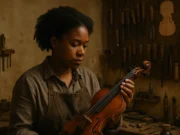
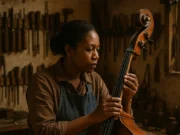
‘The Last Repair Shop’ Documentary Spotlighting LAUSD Violin Repair Crew Nominated for Oscar – Luthier & Making
By Ben Chapman
Regardless of the outcome at the Oscars, the spotlight on the Los Angeles Unified School District’s (LAUSD) musical instrument repair crew has already brought a profound transformation to their work environment and wider community support.
Nestled amid the relentless congestion of Los Angeles traffic, surrounded by homeless encampments and piles of waste, stands an unassuming, windowless warehouse encircled by a security fence — the home of “The Last Repair Shop.” This inspiring short documentary, which has been nominated for an Academy Award on Sunday, March 10, reveals the critical role this team plays behind the scenes.
Ben Proudfoot, co-director of the documentary, highlighted the unique setting. “You don’t see it in the movie,” he said, “but adjacent to the repair shop is the LAUSD locksmith, a metal shop, signage painters, and craftsmen building windows. All these trades exist together within this fenced-in block.”
The film focuses on LAUSD’s enduring, traditional music instrument repair operation. Once home to about 60 staff two decades ago, the workshop now operates with fewer than a dozen workers. Despite staffing reductions, the documentary’s release has inspired significant public interest and generosity that extend well beyond the workshop itself.
The Eli and Edythe Broad Foundation has emerged as an early supporter of a new $15 million capital campaign spearheaded by the district’s foundation. The initiative seeks to upgrade the repair shop’s ventilation system, acquire an ultrasonic cleaner, purchase more instrument cases, and establish an apprenticeship program.
Nonetheless, the team remains grounded in their mission. Steve Bagmanyan, the workshop supervisor who began his career as a piano technician more than twenty years ago, explained their dedication: “We arrive before sunrise and work quietly. By day’s end, a student will have an instrument in hand. Music programs continue, and we’re a vital part of that. That’s what truly matters.”
Following the documentary’s debut, Bagmanyan has been inundated with emails from individuals eager to support the repair shop — through instrument donations, financial contributions, volunteering, or words of encouragement from educators inspired by the film. Gifts have included a harp, violins, guitars, and drums.
The workshop itself remains modest but bustling. Marked by fireproof doors and a plain sign reading “Musical Instrument Repair,” the building is clad in unpainted fiberglass panels. Inside, the sounds of bassoons, flutes, and pianos fill the air amid a collection of burnished saxophones hanging on walls, bass drums stacked in rows, French horns, guitars, and pianos awaiting repair.
Facilities include a woodshop for fabricating hard-to-find parts and a piano room where various uprights and baby grand pianos undergo tuning and maintenance. The environment is richly scented with sawdust, polishing compounds, and coffee. Technician workstations hum with activity, attended by specialists repairing strings and horns.
Proudfoot affectionately describes the workshop as a “North Pole” for school instruments, akin to Santa Claus’s gift shop. Since appearing on Disney’s streaming platform and achieving over 464,000 views on YouTube, the documentary has attracted widespread media coverage, including numerous interviews and television features.
In January, Bagmanyan’s crew was honored at a City Hall ceremony, also performing music at a Los Angeles school board meeting, where the superintendent commended their commitment to sustaining music education within the country’s second-largest school system.
Sara Mooney, interim president and CEO of the LAUSD Education Foundation, emphasized that funds raised will not only modernize the shop but also bolster the district’s expanding music education offerings for all students. A 2022 California law increased state funding for music classes statewide, and in response to pandemic challenges, L.A. Unified leveraged federal relief funds to acquire approximately 32,000 new instruments. Consequently, the repair shop is busier than ever.
Mooney noted, “To meet the moment and support expanding music programs, investment in the repair shop is essential. This documentary presents a unique opportunity to amplify its impact.”
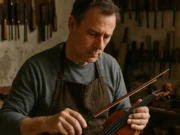
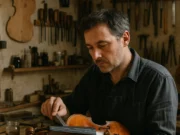
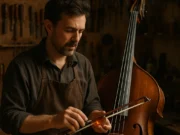
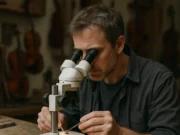
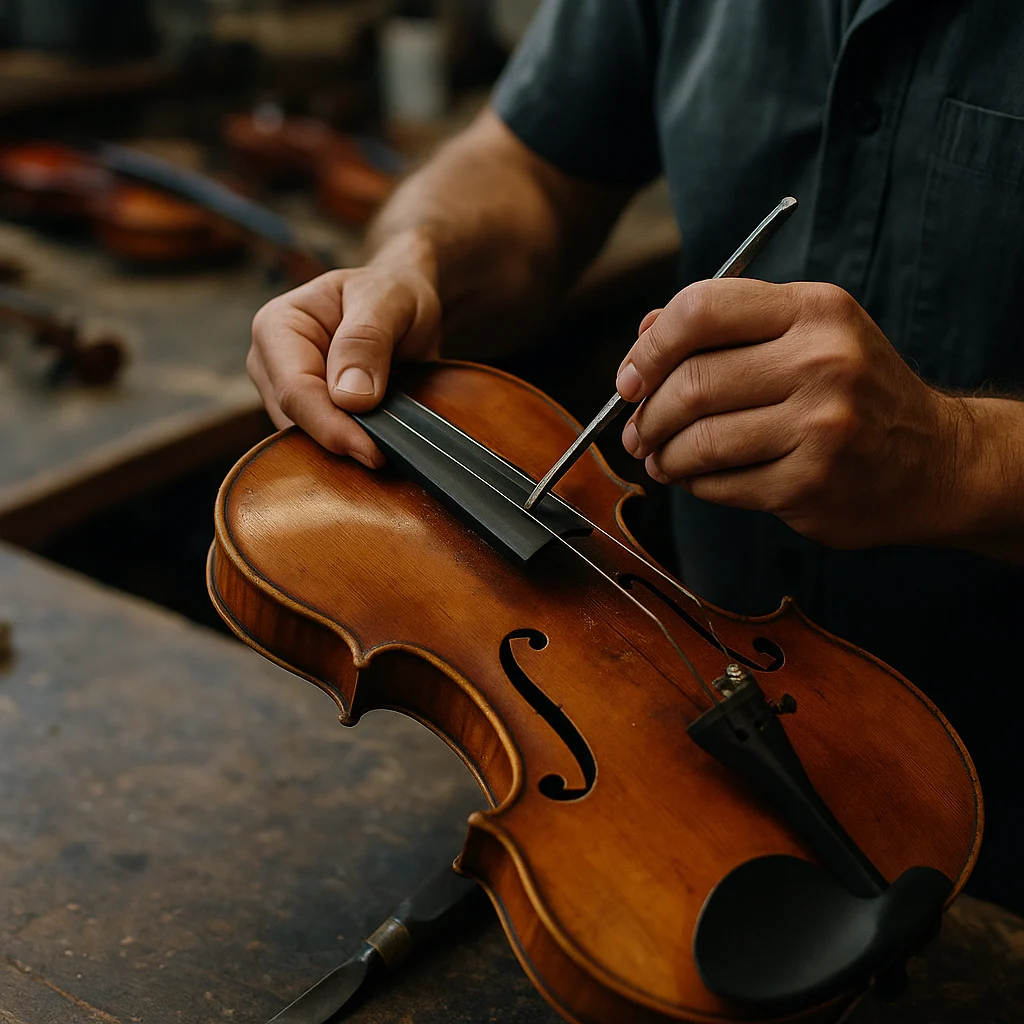
Despite this renewed attention, challenges remain. Bagmanyan reports difficulty in locating skilled luthiers, wind instrument specialists, and braziers capable of repairing the diverse array of damaged instruments arriving daily. Most current staff are long-term employees.
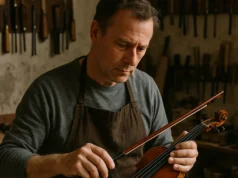
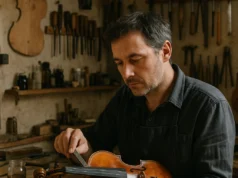
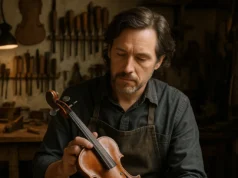
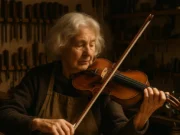
The shop is actively recruiting a string technician to replace a recently retired staff member featured in the film, though the number of applicants is uncertain.
Many instruments in LAUSD’s inventory date back to the 1930s. While older instruments generally possess superior quality, they require costly maintenance. Some schools even house pipe organs, but repairs can be prohibitively expensive. Bagmanyan cited one incident where broken organ pipes, damaged by students, led to a repair estimate of $2 million.
Titus Campos, administrator of LAUSD’s Arts Education division, explained the district’s objective to provide band electives across all middle and high schools, as well as music education in every elementary school. “We’re nearing that goal,” he said, but noted ongoing hurdles, including a shortage of music educators and approximately ten unfilled music teaching positions within LAUSD.
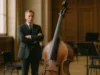
Amidst these realities, the staff appreciate the extraordinary recognition from Hollywood. Estella Patricia Moreno, the shop’s bass instrument technician, expressed awe at her impending attendance at the Oscars. “I’m a bit nervous, without hair or makeup,” Moreno joked while cleaning a French horn. “I simply do my job—something I love and enjoy—and this recognition is truly overwhelming.”
— The Violin Post Editorial Staff