
































New York, September 8, 2025 — The Metropolitan Museum of Art (The Met) today revealed a transformative promised gift of 188 artworks from John Pritzker, one of its trustees. Known as The Bluff Collection, this donation comprises works by 37 pivotal avant-garde artists, prominently featuring an extensive assemblage by Man Ray (1890–1976). Other notable artists represented include Jean Arp, Jean Crotti, Marcel Duchamp, Suzanne Duchamp, Max Ernst, Francis Picabia, Kurt Schwitters, among others.
The Bluff Collection contains a diverse array of mediums such as collages, paintings, photographs, three-dimensional objects, and works on paper. It is complemented by a rich array of rare exhibition catalogues and publications closely linked to the revolutionary art movements of Dada and Surrealism.
Max Hollein, The Met’s Marina Kellen French Director and CEO, commented, “John Pritzker’s exceptional collection, especially the group of Man Ray’s works and those by his close collaborators instrumental in Dada and Surrealism, provides an unparalleled opportunity to deepen our understanding of these innovative modern artists. Their experimental approach across multiple media continues to captivate and influence today’s art world. John’s generosity strengthens The Met’s comprehensive sweeping narrative from antiquity through contemporary art, especially as we prepare to inaugurate the new Tang Wing dedicated to modern and contemporary art.”
Emerging amid the transformative cultural, social, political, and scientific upheaval of the early 20th century, which was further accelerated by the ravages of war, Dada and Surrealism sought to redefine art and its societal function. French artist Jean (Hans) Arp articulated the Dadaist aim “to destroy the hoaxes of reason and to discover an unreasoned order.” Surrealism extended this dialogue by drawing from the theories of Freud and Marx to challenge rationalism’s perceived dominance, exploring the subconscious and the concept of sur réalisme or superior reality. Poet André Breton, Surrealism’s principal advocate, proposed that tapping into dreams and the unconscious could revolutionize world perception and effect profound societal change.
David Breslin, Leonard A. Lauder Curator in Charge of Modern and Contemporary Art, noted, “Man Ray’s practice defies easy definition, and this collection expertly captures his restless innovation alongside his vibrant circle of artists. As we design The Met’s future modern art galleries, this group’s legacy will prominently shape our exhibitions and discourse, supported by John’s generous patronage encompassing art gifts and research backing.”
Beyond the remarkable artworks, the John Pritzker Family Fund is backing a new interdisciplinary research initiative at The Met named The Bluff Collaborative for Research on Dada and Surrealist Art. This program aims to inspire fresh scholarship and public engagement, building on the enduring influence of these avant-garde movements to explore art’s potential in contemporary society.
John Pritzker shared, “My long-standing interest in the interwar period and the revolutionary circle around Dada and Surrealism led me to focus on Man Ray, who bridged artistic groups and ideas. Artists like Marcel Duchamp and Francis Picabia, who were part of this circle, challenged traditional artistic boundaries—transforming painting, sculpture, photography, and beyond. It is a privilege to place this collection within The Met, especially at such a momentous juncture with the upcoming Tang Wing. The Museum’s scholarship and conservation capabilities make it the ideal custodian.”
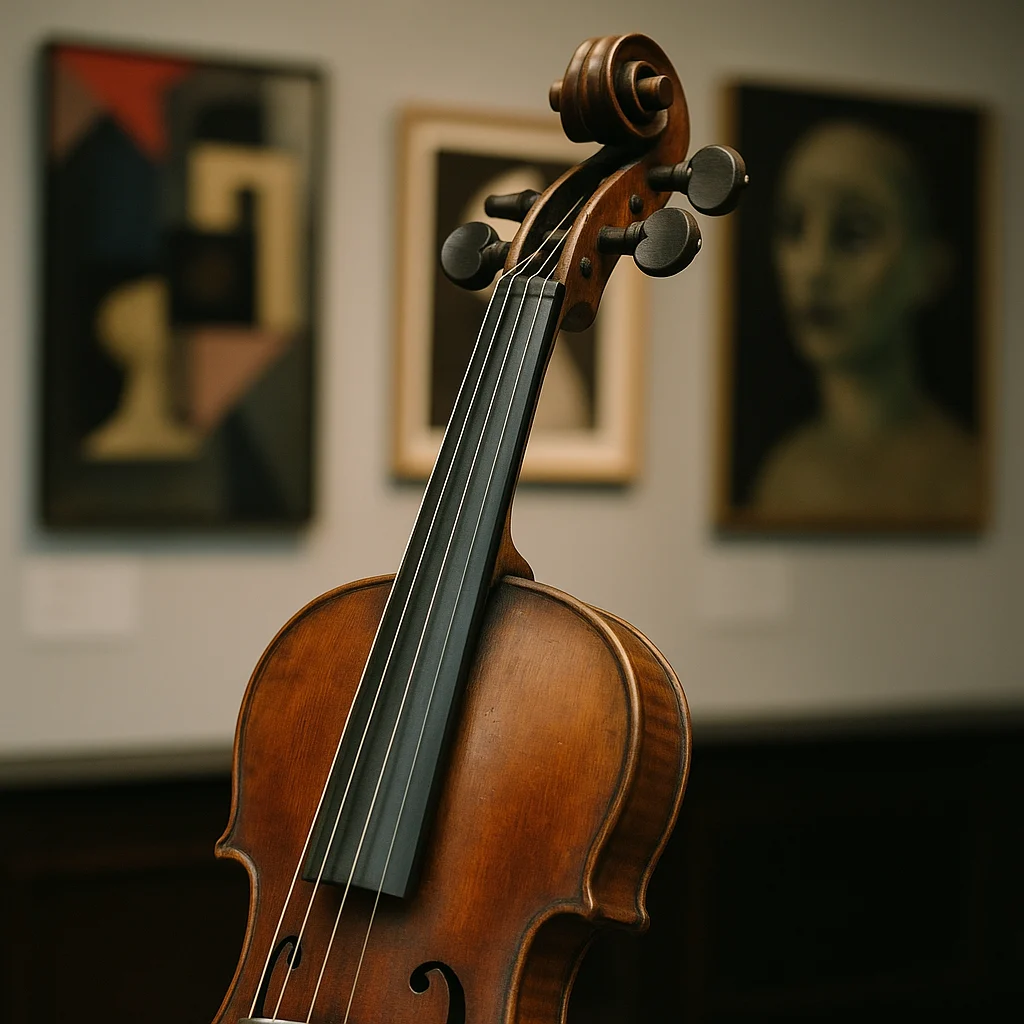
Initiated in the mid-1990s, The Bluff Collection includes iconic Man Ray pieces such as Le violon d’Ingres (1924), a famous gelatin silver print depicting the artist’s companion Kiki de Montparnasse with violin sound holes superimposed on her back—a fusion of photograph and rayograph. Other highlights are Torso (Retour á la raison) (1923), Noire et blanche (1926), and the surreal L’homme (1918–20), where an eggbeater is personified. Collages like Trans Atlantic (1921) and objects such as the Catherine Barometer (1920) also exemplify his imaginative output.
The Collection also contains eleven works on paper and two portfolios by Marcel Duchamp, including the first issued Monte Carlo Bond (1924) featuring Duchamp’s playful devilish image. Other notable works include Max Ernst’s self-portrait collage The Punching Bag or The Immortality of Buonarroti (1920) and Giorgio de Chirico’s enigmatic painting Dream of Tobias (1917), which resided in the Paris Bureau of Surrealism Research and was once owned by Edward James, a key Surrealist patron. Additionally, Suzanne Duchamp’s collage Radiation of Two Solitary Beings Apart (1916–20) integrates scientific and technological symbolism to explore modern human conditions.
The collection further encompasses photography by Lee Miller, Charles Sheeler, and Edward Steichen; ceramics by Beatrice Wood; and over 100 rare books, manifestos, journals, posters, and ephemera connected to Dada and Surrealism. A standout is Georges Hugnet’s embellished edition of Petite anthologie poétique du surréalisme (1934), once owned by Paul Éluard and containing personal notes and photographs from many artists featured.
Man Ray, a central figure in the Collection, was a boundary-pushing artist known for manipulating photographic processes and redefining artistic media. Beginning as a painter, he adopted photography in 1915 to better represent his work and soon employed inventive techniques like the rayograph, a cameraless photograph he revitalized in 1921.
Thirty-five items from the promised gift will be showcased in Man Ray: When Objects Dream, The Met’s first major exhibition focusing on his multimedia experimentation. Opening September 14, 2025, through February 1, 2026, the exhibition will present approximately 160 works, including rayographs, paintings, objects, prints, films, and photographs. Curated by Stephanie D’Alessandro and Stephen C. Pinson, it highlights Man Ray’s experimental spirit within early modernism.
The Bluff Collaborative, led by D’Alessandro, fosters interdisciplinary research, public programs, and collaborations centered on Dada and Surrealism’s legacy. Its inaugural year honors Man Ray, with future focuses to be announced yearly. The program encourages fresh understanding of historical avant-garde art to inform contemporary creative and intellectual pursuits.
About John Pritzker
John Pritzker is an investor and philanthropist, founding partner of Geolo Capital, and former CEO of several hospitality firms. He played a founding role in Ticketmaster and Chemdex/Ventro Corporation and chairs the John Pritzker Family Fund, which supports mental health, civic engagement, Jewish life, and the arts. He serves on The Met’s Board of Trustees and holds leadership positions within its committees, contributing significantly to the Museum’s development.
About Modern and Contemporary Art at The Met
The Met possesses a globally recognized collection of 20th- and 21st-century art spanning modernism to contemporary works, distributed across multiple departments. To showcase these treasures, the Museum is constructing the Oscar L. Tang and H.M. Agnes Hsu-Tang Wing, a 126,000-square-foot space designed by Frida Escobedo—the first woman to design a Met wing. Scheduled to open in 2030, this new wing will provide enhanced exhibition space, public terraces, and modern amenities to elevate visitor experience and accessibility.
###
Image: Man Ray (American, 1890–1976), Le violon d’Ingres, 1924. Gelatin silver print. 19 1/8 × 14 3/4 in. (48.5 × 37.5 cm). Metropolitan Museum of Art, Bluff Collection, Promised Gift of John A. Pritzker. © Man Ray 2015 Trust / Artists Rights Society (ARS), NY / ADAGP, Paris 2025. Photo by Ian Reeves.
— The Violin Post Editorial Staff