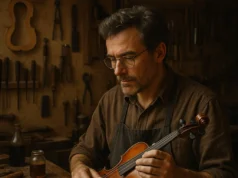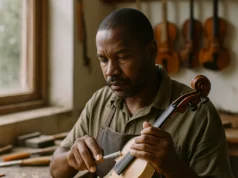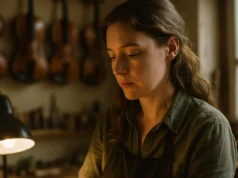





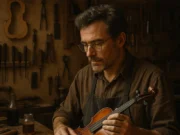
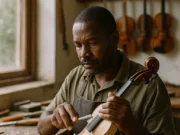
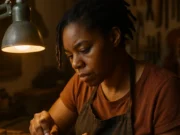
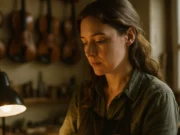

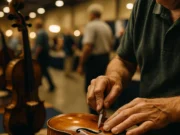






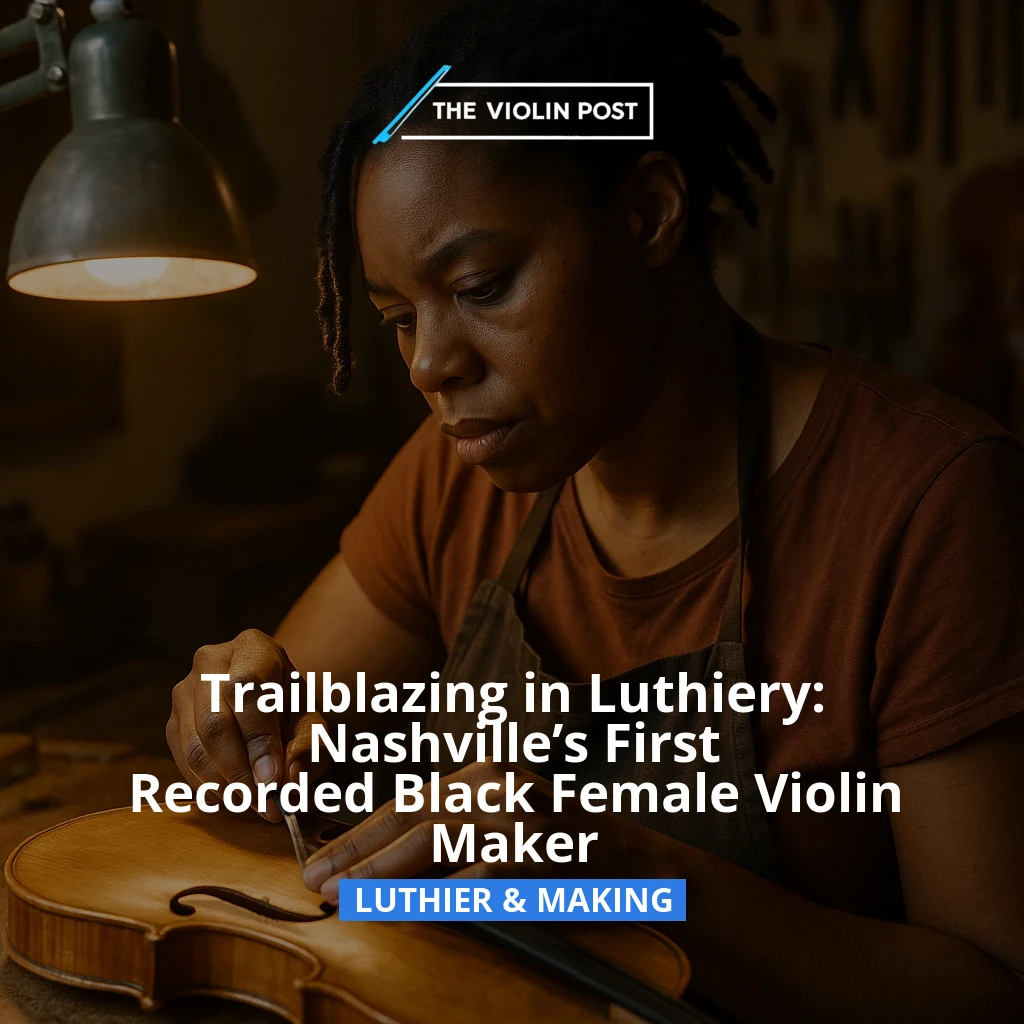
In a profession historically dominated by men and with limited representation of Black artisans, a Nashville woman has carved a pioneering path as the first recorded Black female violin maker in the United States. Her emergence within the demanding and intricate world of violin making marks an important milestone for diversity and inclusion within this nuanced craft.
Luthiery, the art and craft of making string instruments, has long been associated with European traditions and male-dominated workshops. The violin itself, an instrument celebrated worldwide for its expressive capability and central role in classical music, requires specialized knowledge in woodworking, acoustics, and fine tuning, often passed down through apprenticeships or formal training at prestigious institutions.
This Nashville luthier’s entry into such a field represents both an achievement of exceptional skill and a breakthrough against entrenched barriers. While violin making has seen a resurgence in interest and innovation over recent decades, the presence of African American women in this domain remains exceedingly rare.
Her participation not only challenges the conventional demographics of violin makers but also provides representation that could inspire a broader range of individuals to pursue craftsmanship roles within classical music. The significance of her work extends beyond individual accomplishment; it is a substantial contribution to diversifying and enriching the cultural tapestry of luthiery.
Reactions within the classical music and instrument maker communities reflect admiration and recognition of this breakthrough. Advocates for equity in the arts note the importance of visibility in shaping future participation and inclusion. Moreover, her example may open doors for educational programs and institutions to cultivate more inclusive paths into the craft.
Looking ahead, her career may influence how violin making is perceived and approached, encouraging outreach and mentorship aimed at underrepresented groups. As the classical music world continues to grapple with diversity across performance, composition, and instrument production, such milestones are integral to fostering a more inclusive and vibrant future.
Why this matters
- Her emergence addresses historical underrepresentation of Black women in luthiery, enriching the craft’s cultural diversity.
- This breakthrough has implications for musicians, educators, and institutions seeking greater inclusivity in classical music’s ecosystem.
- It may inspire and pave the way for future artisans from marginalized backgrounds to enter and innovate within the craft.
- The presence of diverse makers contributes to preserving and evolving violin-making traditions in new and culturally resonant ways.
- Observing such milestones offers valuable insight into shifting dynamics within classical music professions and communities globally.
— The Violin Post Editorial Staff