
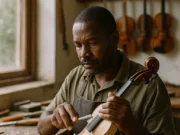
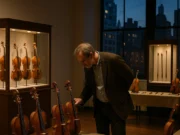
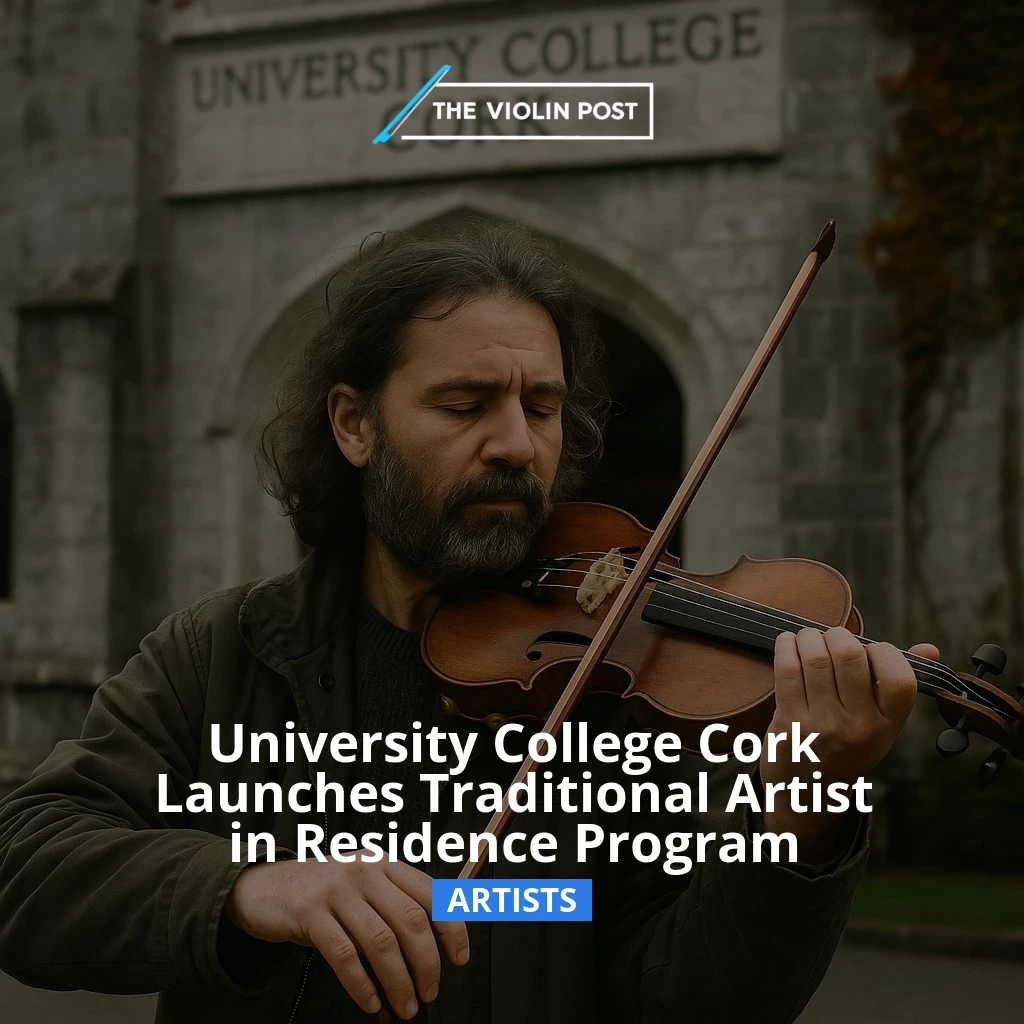
University College Cork (UCC) has established a new Traditional Artist in Residence role, a position aimed at fostering the study and practice of traditional arts within the academic environment. This initiative represents a strategic effort by the university to deepen its engagement with living cultural traditions, offering both students and the wider community exposure to authentic traditional artistry.
The appointment will provide a platform for an accomplished traditional artist to collaborate with university departments, support educational programming, and contribute to cultural events throughout the academic year. While the profile of the inaugural artist has not been publicly disclosed, the residency is expected to encompass a range of activities including performances, workshops, and potential research collaboration, thereby enriching the university’s cultural landscape.
UCC’s decision to integrate a traditional artist into its campus reflects a broader trend in tertiary education, recognizing the vital role that traditional and folk arts play in cultural heritage and contemporary expression. Such residencies help bridge the gap between academic study and community practice, allowing students and faculty direct access to living traditions rather than solely archival material.
Beyond the institutional benefits, this program positions UCC as an influential player in the continuity of Ireland’s rich musical and artistic heritage. Ireland’s traditional music, known worldwide for its distinct instruments, melodies, and rhythms, thrives not only through recordings and festivals but significantly through teaching and mentorship roles like this residency.
The initiative also encourages dialogue between traditional artists and students from diverse disciplines, potentially inspiring new interdisciplinary projects and research that examine the historical and contemporary significance of traditional arts.
Why this matters
- This residency strengthens efforts to preserve and invigorate traditional arts amidst rapid cultural change.
- Musicians, luthiers, educators, and students benefit from direct engagement with practitioners, enhancing skill development and cultural understanding.
- Institutions incorporating traditional arts into academic settings help validate and sustain these art forms for future generations.
- Such programs can inspire collaborations that extend beyond the university, fostering wider community participation and international cultural exchange.
- Watching the outcomes of this residency may reveal new models for integrating living traditional arts within higher education and contribute to evolving professional pathways for traditional artists.
— The Violin Post Editorial Staff