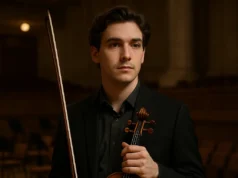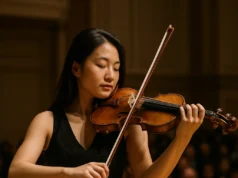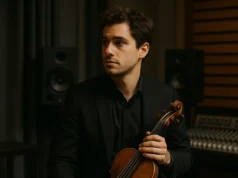

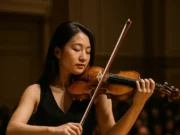
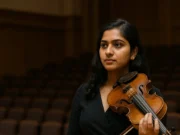

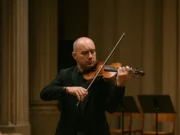
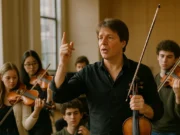
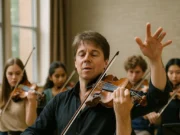
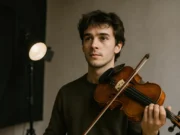
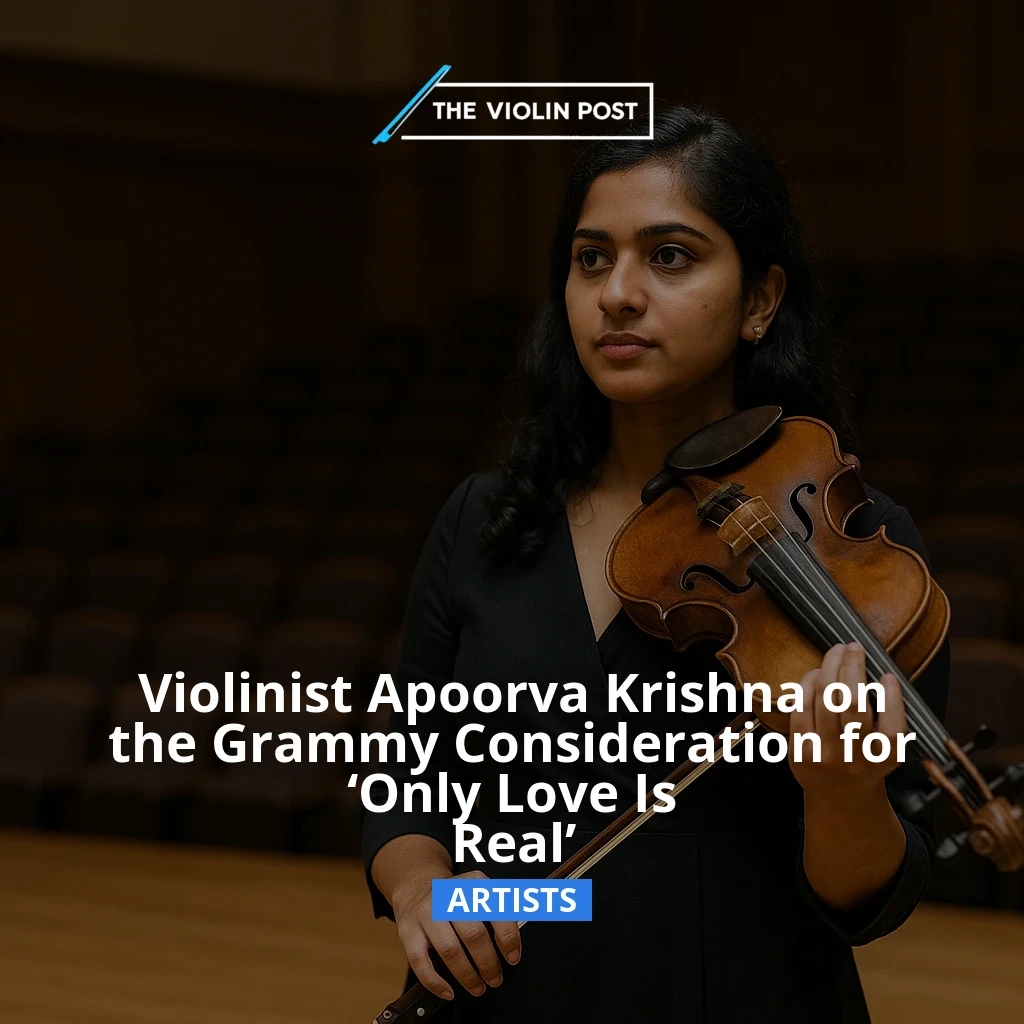
The recent development that the composition Only Love Is Real is being considered for a Grammy nomination offers a moment of both personal and artistic significance for violinist Apoorva Krishna. This recognition not only honors the work itself but also underscores the evolving landscape of classical and contemporary music, where boundaries blur and new expressions emerge.
Contextualizing the Grammy Consideration
The Grammy Awards have long been a benchmark for excellence across musical genres, and their consideration process often highlights artists and projects that resonate beyond traditional categories. For a violinist like Apoorva Krishna, whose artistry melds technical mastery with emotive storytelling, the acknowledgment tied to Only Love Is Real signals a broader acceptance of innovative classical projects within mainstream music circles.
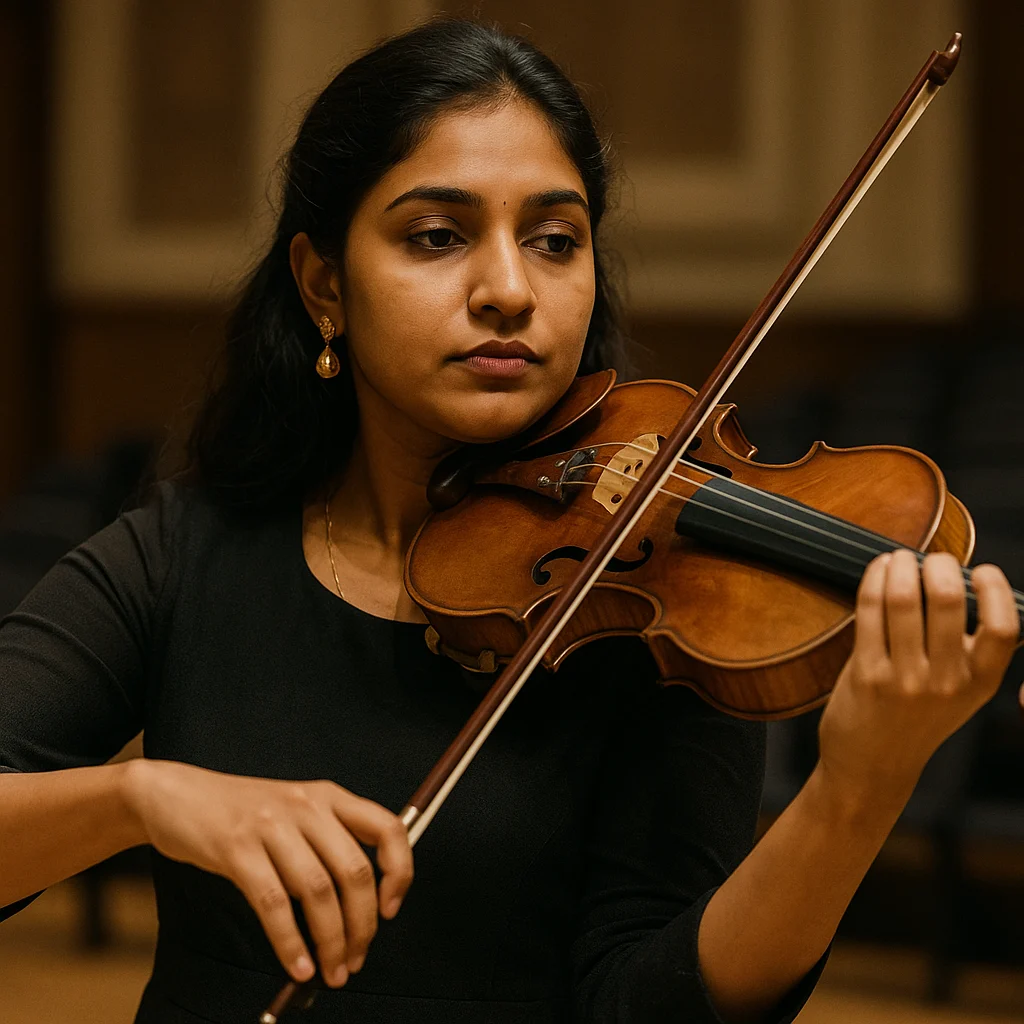
This consideration speaks to the increasing visibility of artists who bridge classical traditions and contemporary sensibilities, creating works that appeal to diverse audiences — from classical purists and students to general listeners seeking fresh instrumental narratives. The Grammy platform can thus amplify the reach of such music, encouraging renewed interest in violin repertoire that challenges conventional frameworks.
Implications for Performers and the Classical Music Ecosystem
The ripple effects of such recognition extend well beyond accolades. For performers, especially emerging violinists, this kind of attention can open doors to new collaborations, repertoire exploration, and career opportunities that might have been more elusive before. It also sends a message to orchestras, artistic institutions, and festivals to program inventive works that speak to contemporary themes and audiences.
Luthiers and instrument makers may also find an indirect impact here; as performers showcase versatile and emotionally compelling projects, demand for instruments that can meet varied stylistic needs and tonal colors could grow. Moreover, collectors and patrons might pay closer attention to artists navigating this intersection of tradition and innovation.
For students and educators, the example of Apoorva Krishna and Only Love Is Real exemplifies how classical training can be a foundation for engaging with current musical dialogues. It encourages a mindset that values both technical discipline and fearless creativity.
Looking Ahead: The Broader Cultural Resonance
As the Grammy season progresses, the status of Only Love Is Real will be closely watched. Regardless of the final outcome, its consideration represents a broader cultural shift — one that embraces the violin not only as a classical instrument but as a versatile voice capable of expressing contemporary narratives. This evolution reflects the ongoing dialogue between heritage and innovation within the classical music sphere.
Such moments invite the classical community and its audiences to reflect on how recognition and visibility influence artistic trajectories and public engagement. They also highlight the importance of supporting projects that expand the expressive capacity of instruments and artists in meaningful ways.
Why this matters
- The Grammy consideration highlights the growing recognition of works that blend classical violin artistry with contemporary themes.
- Performers, educators, and audiences alike gain inspiration and validation from such acknowledgments of innovative musical projects.
- The recognition may influence programming decisions by orchestras and festivals, fostering greater inclusion of cross-genre and contemporary repertoire.
- Luthiers, instrument collectors, and patrons might observe shifts in artistic demands and priorities arising from such creative ventures.
- Tracking the progress of this and similar works offers insight into classical music’s adaptation and relevance in the 21st century.
Related topics
- The role of awards in shaping classical musicians’ career trajectories
- Emerging trends in contemporary violin repertoire
- How artists balance tradition and innovation in classical performance
Editorial Commentary
Artist-focused coverage is especially valuable because careers in the string world are built not only through performances, but through repertoire choices, collaborations, educational paths, and the ability to connect with audiences over time.
Seen from that perspective, this story helps readers place the featured musician within a broader professional and artistic conversation that matters to performers, presenters, students, and listeners alike.
About The Violin Post
The Violin Post is an international editorial platform dedicated to violin making, classical performance, competitions, instruments, and the wider culture of the string world.
Its coverage connects news reporting with specialist context for readers interested in performers, makers, educators, institutions, and musical heritage.
Related Articles
- Isidore String Quartet’s “Adorations”: A New Chapter in Contemporary Chamber Music
- Grace Park’s Debut Album Explores Depths of Dvořák and Mozart
- The Intersection of Electric Innovation and String Tradition: Reflecting on SINK’s ‘Flaw State’
— The Violin Post Editorial Staff