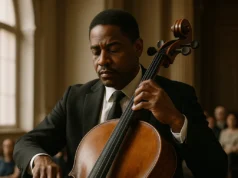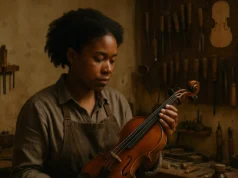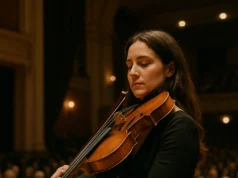

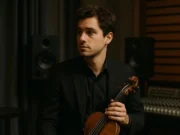
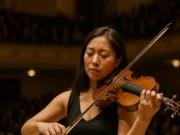
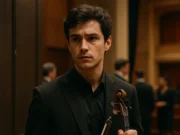
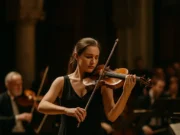
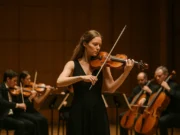
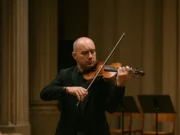
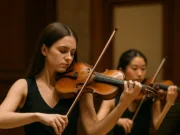
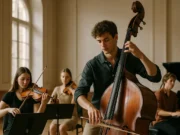
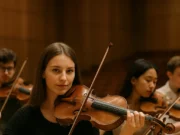
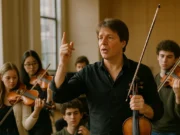
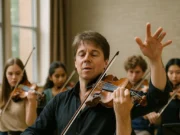
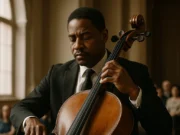
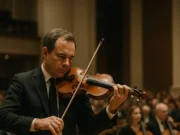
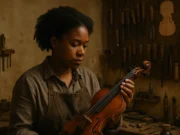
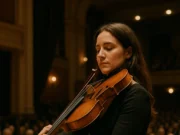
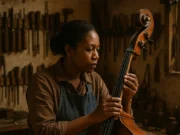
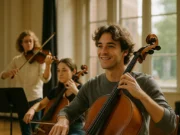
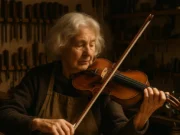
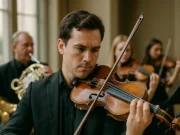
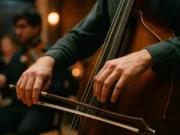
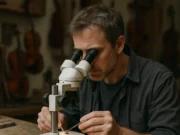
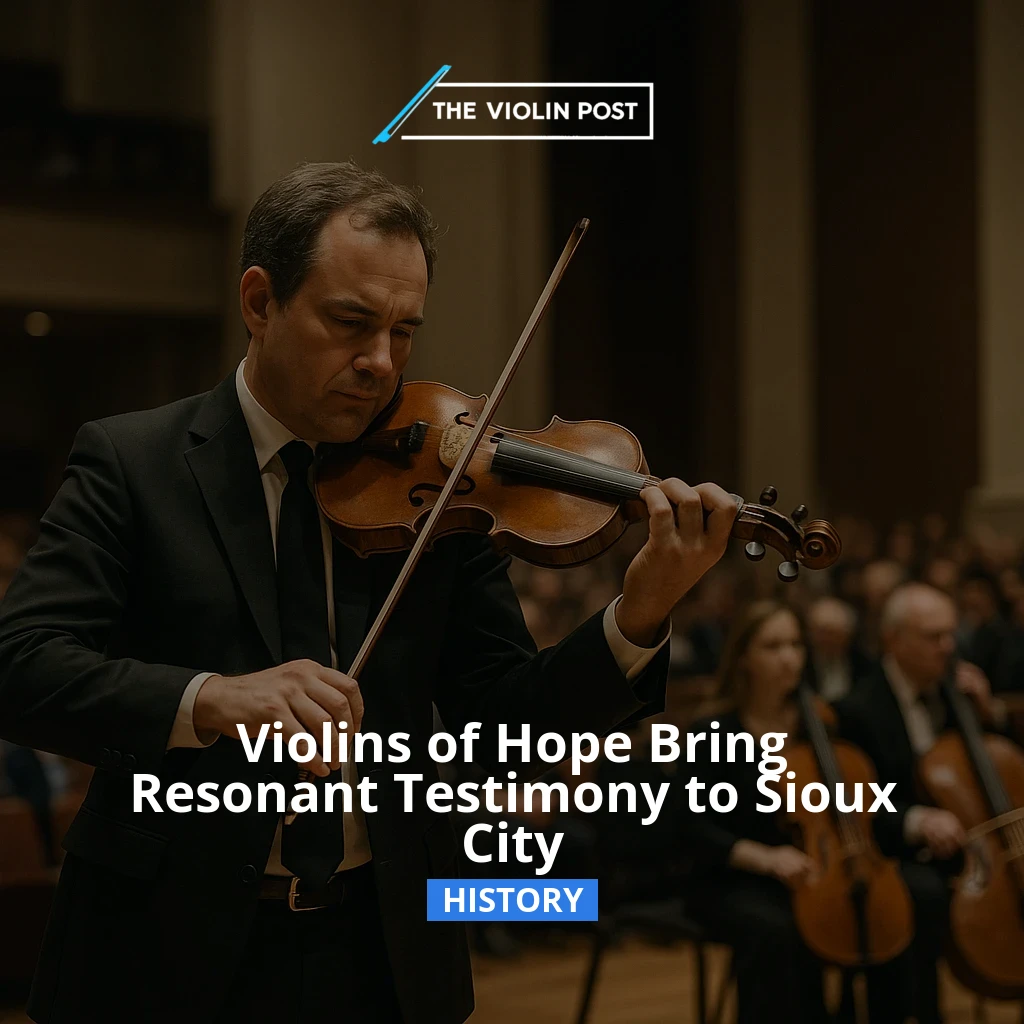
When violins once silenced amid the darkest chapters of the 20th century are played anew, their strings carry not only sound but memory and resilience. The arrival of the Violins of Hope collection in Sioux City offers more than an exhibition; it presents a vivid auditory journey into history, connecting audiences with personal narratives from the Holocaust through the universal language of music.
Historical Instruments as Living Witnesses
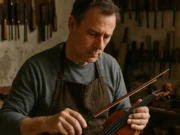
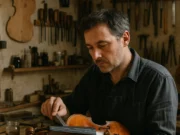
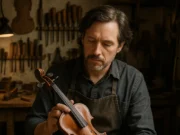
The Violins of Hope project, spearheaded by luthier Amnon Weinstein and his son Avshalom, preserves and restores violins and other stringed instruments that survived the Holocaust. These instruments belonged to musicians who played amidst unspeakable horrors or lost their lives during the genocide. Rather than remaining silent artifacts, the violins are meticulously repaired to original working condition and then played, allowing their voices to echo stories of hope, loss, and survival.
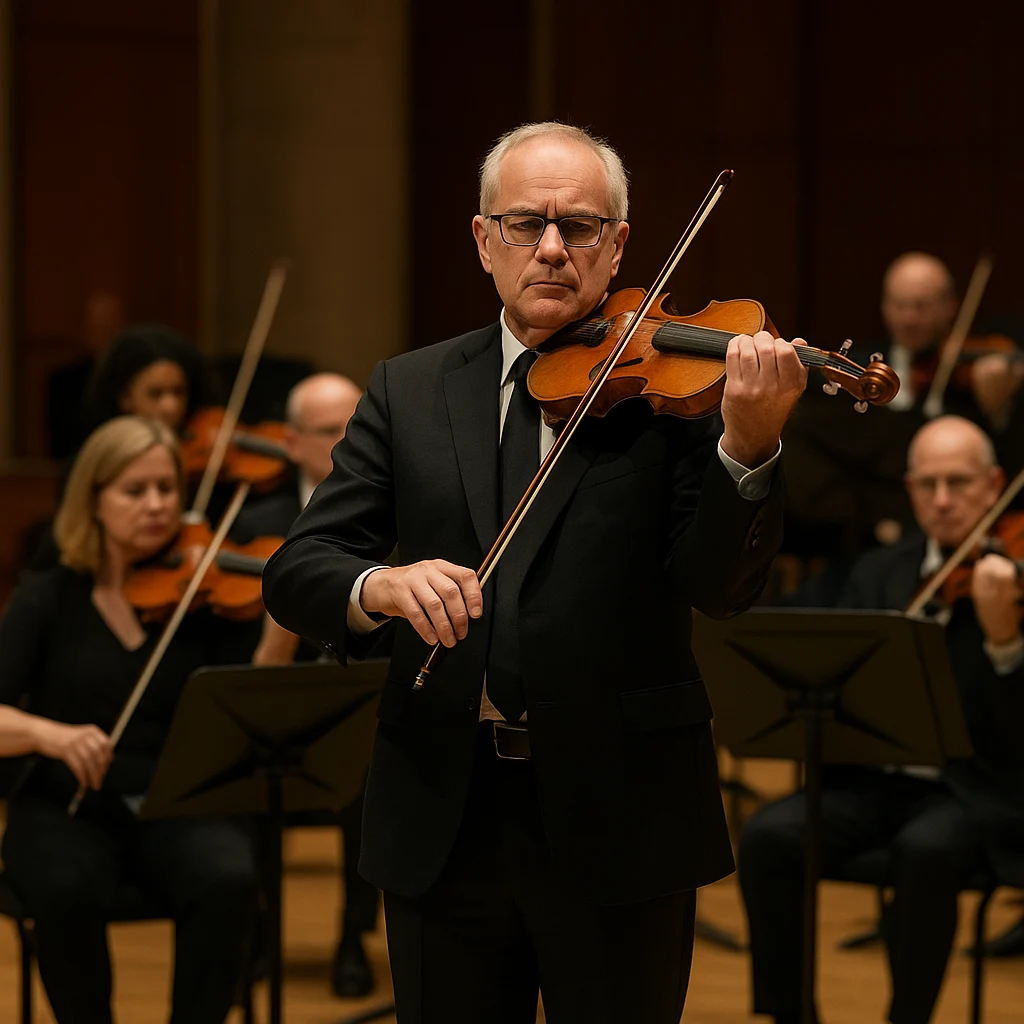
Sioux City’s hosting of this distinguished collection represents a significant cultural event within the American Midwest, traditionally distant from Europe’s Holocaust remembrance sites. For local audiences, musicians, and students, the violins offer a tangible link to history, embodied in the craftsmanship of the instruments and their haunting timbres. This encounter underscores the role of music not only as artistic expression but also as testimony and education.
Bridging Past and Present Through Performance
The exhibition typically involves performances by renowned artists and ensembles who bring these historical instruments to life on stage. In Sioux City, this aspect provides an opportunity for performers to deeply engage with the legacy these violins carry, transforming their sound into a dialogue across generations. For classical musicians and conservatories in the region, this engagement challenges and enriches artistic practice, inviting reflection on the repertoire’s deeper meanings.
Moreover, audiences—including community members, educators, and students—gain exposure to a convergence of history, musicology, and ethics. The Violins of Hope initiative illustrates how classical music extends beyond performance, serving as a vehicle for remembrance and humanitarian awareness. Community outreach and educational programming often accompany the exhibitions, fostering conversations about tolerance, resilience, and the consequences of hatred.
Implications for Instruments, Artists, and Audiences
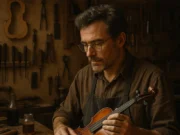
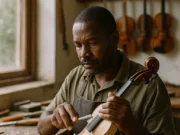
For luthiers and collectors, the project highlights the profound cultural value embedded in the physical instrument, reminding the field that violins are not merely tools for music-making but also vessels of identity and memory. The meticulous restoration process balances preservation with functionality to honor the instruments’ dual status as historical artifacts and living musical objects.
Performers who engage with the Violins of Hope often describe a heightened sense of responsibility and connection, influencing interpretative choices and engagement with Holocaust repertoire. Institutions collaborating in such efforts reaffirm their dedication to arts as a means of social conscience.
Why this matters
- It revives and humanizes history through the emotive power of music, making past atrocities personally accessible.
- Musicians, educators, and audiences gain unique experiential insight, fostering empathy and intercultural understanding.
- The project reinforces the significance of preserving and using historical instruments as conduits for storytelling and education.
- It bridges classical music performance with heritage preservation and ethical reflection.
- The community’s engagement with such events enriches cultural discourse and supports remembrance culture beyond traditional contexts.
Related topics
- The role of historical instruments in classical music education and performance
- Music and memory: how sound shapes collective remembrance
- The intersection of lutherie, conservation, and cultural heritage projects
Editorial Commentary
Historical coverage is essential because the string world is built on continuity: repertories, techniques, schools of craftsmanship, and performance traditions all gain meaning when they are understood in relation to what came before.
Articles like this therefore do more than document the past; they help readers interpret the present through a stronger awareness of musical heritage and of the people and ideas that shaped it.
About The Violin Post
The Violin Post is an international editorial platform dedicated to violin making, classical performance, competitions, instruments, and the wider culture of the string world.
Its coverage connects news reporting with specialist context for readers interested in performers, makers, educators, institutions, and musical heritage.
Related Articles
- Breaking Barriers: The Emergence of the First Recorded Black Female Violin Maker
- Celebrating Women’s Contributions to Classical Music: A Curated Playlist for Women’s History Month
- Breaking Barriers: The First Documented Black Female Violin Maker’s Historic Emergence
— The Violin Post Editorial Staff