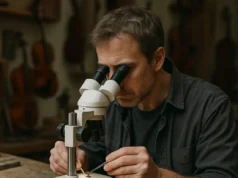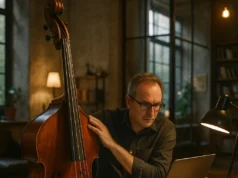


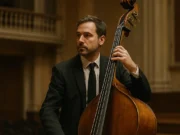

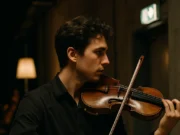
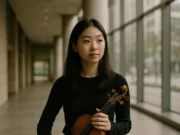
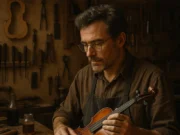
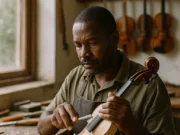
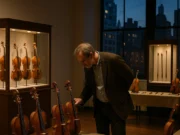
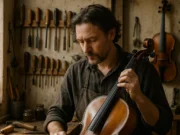
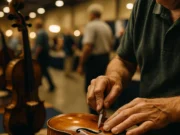


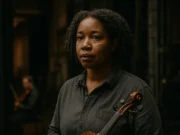
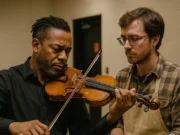
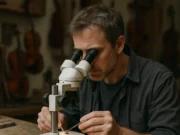

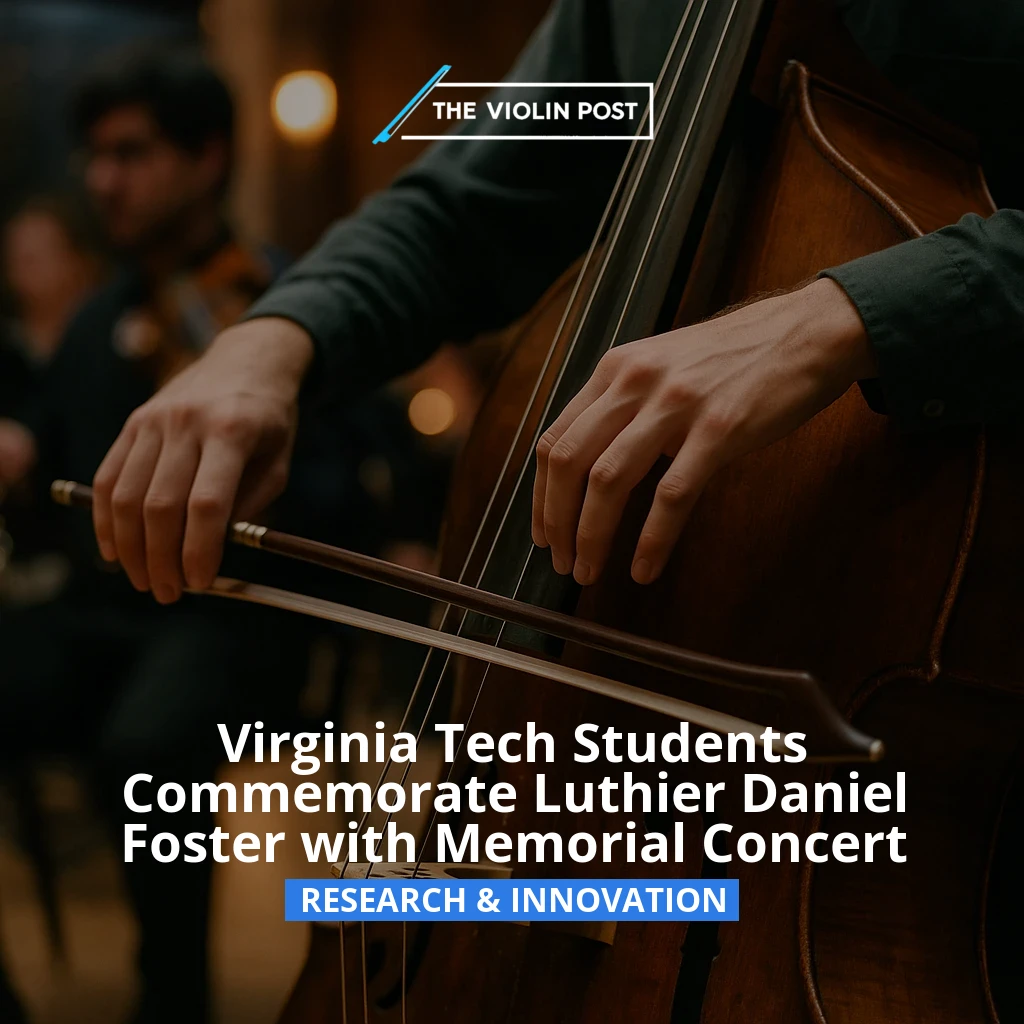
Daniel Foster, a respected figure in the world of lutherie, was commemorated by Virginia Tech students through a memorial concert that celebrated both his life and contributions to the art of string instrument making. The event, organized by students, serves not only as a remembrance of Foster’s influence but also as a reflection of the enduring bond between luthiers and the musical community they support.
The Man Behind the Craft
Daniel Foster’s reputation as a luthier was marked by meticulous craftsmanship and a deep understanding of the string instrument tradition. Though primarily recognized within regional circles, his work carried significance for performers, makers, and students alike. Violin, viola, cello, and double bass players who rely on instruments shaped by skilled luthiers such as Foster benefit from the subtle nuances he instilled in their sound and playability.
At institutions like Virginia Tech, where musical performance and instrument making coexist, Foster’s legacy echoes in how students learn about the relationship between quality instrument construction and artistic expression. His commitment to precision and heritage influenced aspiring luthiers and musicians engaged in the classical music ecosystem.
A Memorial Concert as a Community Gesture
Memorial concerts dedicated to figures like Foster are not uncommon in classical music communities, but what sets this event apart is its student-driven nature. The participants, likely comprising both performers and lutherie students, created an opportunity to reflect on Foster’s impact by showcasing repertoire that resonates with the instruments he crafted and maintained.
The concert provides a platform for emerging musicians to connect with their instruments on a more profound level, understanding the role of craftsmanship in their artistic voices. Additionally, it reinforces the cultural and educational importance of honoring makers within the classical music landscape, often overshadowed by the performers who bring their work to life.
For faculty and other luthiers associated with Virginia Tech and beyond, such an event underscores the essential collaboration between builders and players. It also highlights the relevance of maintaining and celebrating lutherie traditions in an era where technological advances and changing musical tastes continually reshape the field.
Future Implications for Education and Luthier Recognition
Memorializing Daniel Foster through concert not only remembers his individual contributions but fosters ongoing dialogue about the role of luthiers in music education. Students involved in the event gain a deeper appreciation of how instrument craftsmanship intersects with performance artistry, an understanding crucial for sustaining high standards in classical music practice.
Acknowledging luthiers like Foster within academic and musical spheres raises awareness among audiences and institutions about the nuanced work behind each instrument’s voice. This recognition could encourage stronger support for lutherie programs, apprenticeships, and preservation of traditional techniques.
As awareness grows, similar memorial initiatives might inspire partnerships between conservatories, universities, and makers—cultivating environments where both performance and instrument crafting thrive symbiotically.
Why this matters
- Honoring Daniel Foster illuminates the enduring importance of skilled luthiers within classical music culture.
- Students, performers, and makers benefit from heightened awareness of the instrument-maker’s role in shaping musical expression.
- The memorial concert exemplifies how academic institutions can integrate lutherie and performance education meaningfully.
- This recognition promotes preservation and innovation within the craft, influencing future generations of makers and musicians.
- Such events encourage broader audience appreciation for the collaborative artistry behind classical music.
Related topics
- The evolving role of luthiers in contemporary classical music.
- Educational approaches linking instrument making with performance training.
- Community initiatives that celebrate and sustain musical craftsmanship.
— The Violin Post Editorial Staff