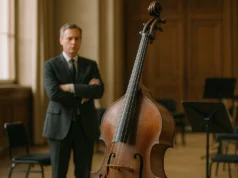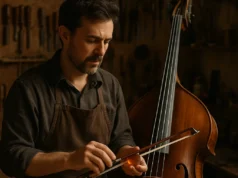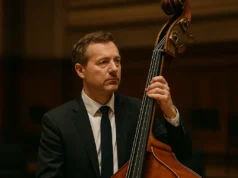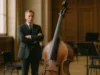

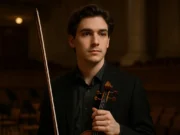
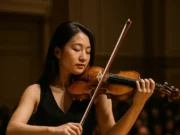
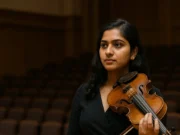
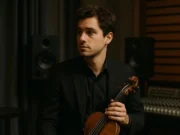
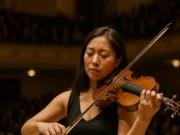
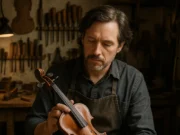
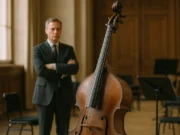
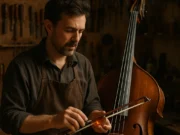
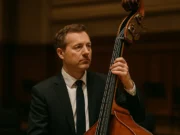
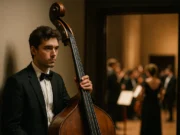
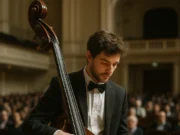
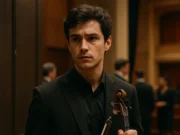
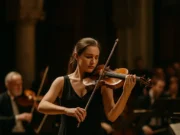
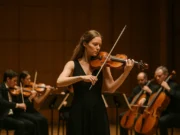
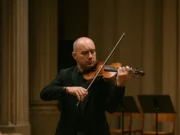
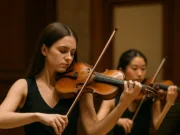
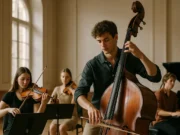
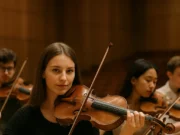
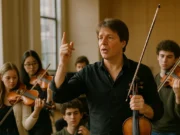
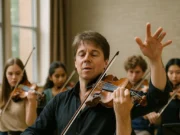
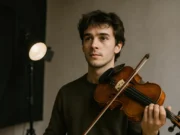
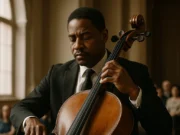
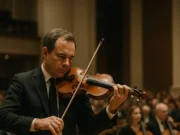
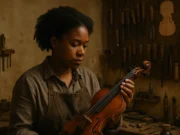
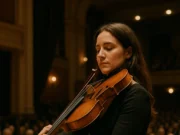
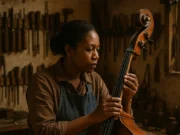
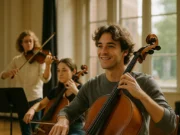
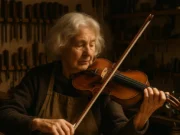
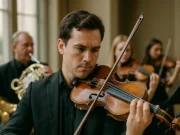
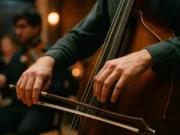
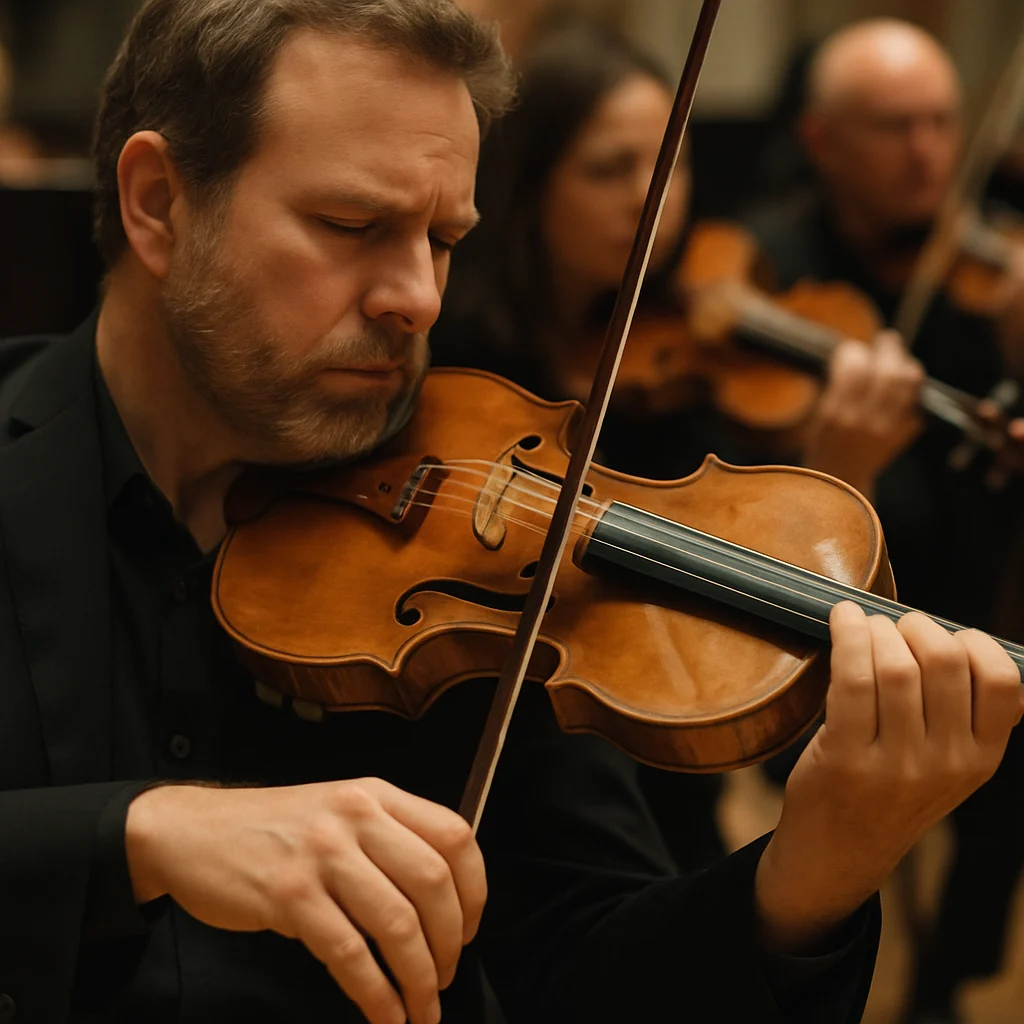
The Colorado Symphony features 50 string players who perform on the violin, viola, cello, and bass. When they play, their bows move uniformly and in perfect timing, creating a striking visual harmony.
Mark Berzins noticed this coordination during a performance at the Boettcher Concert Hall within the Denver Performing Arts Complex. He observed that all the string players bow with their right hands, remarking, “No one is going the other direction. Everyone is rowing on the same side of the boat.” This prompted him to ask: Are all Colorado Symphony (CSO) string musicians right-handed, or is this a necessity to avoid clashing bows during performances?
Berzins, who is right-handed, shared that his family is evenly split between left- and right-handed individuals, noting that statistically it’s improbable for all string players to be right-handed.
Colorado Symphony communications director Nick Dobreff arranged for several musicians to meet and discuss this question, bringing their instruments along.
Before the interview, concertmaster Yumi Hwang-Williams played a gentle serenade for Dobreff’s 6-month-old daughter, Aria, who was captivated by the performance.
Hwang-Williams, who is right-handed and coordinates the string section, was joined by principal violist Basil Vendryes and assistant principal violist Catherine Beeson, both of whom are left-handed.
Vendryes explained he was born left-handed, but due to strict Catholic schooling, he was forced to adapt to being right-handed. Beeson also identified as strongly left-handed but somewhat ambidextrous, a skill born of necessity.
Despite their natural handedness, all play with their right hand controlling the bow, while the left hand manages finger placement on the strings to determine pitch. This approach stems from tradition and early learning experiences.
“Music education doesn’t inquire about handedness and then provide left-handed instruments accordingly,” Vendryes remarked. “Instruments are designed for right-handed players, irrespective of the player’s natural inclination.”
Hwang-Williams elaborated that string instruments have evolved structurally over centuries for right-handed use. Luthiers craft these instruments with internal configurations optimized for right-handed bowing, making left-handed playing quite complicated.
She compared modifying an instrument for left-handed play to “moving your organs to the wrong side,” highlighting the complexity involved in reconfiguring the internal mechanics.
Left-Handed Players and Exceptions
Although uncommon, it is possible to custom-build left-handed string instruments, similar to how left-handed musician Paul McCartney uses a left-handed bass.
Vendryes cited the example of Austrian violinist Rudolph Kolisch, who played left-handed after a right-hand injury, likely never switching back to right-handed playing.
The musicians attempted playing left-handed, resulting in awkward and less controlled sounds, underscoring how ingrained right-hand bowing is.
Ambidexterity and Coordination in String Playing
Approximately one in ten people is left-handed, but violinist Beeson suggests the discussion should move beyond handedness. She pointed to activities like baseball switch-hitting or snowboarding stances as examples of people adapting beyond natural handedness.
She emphasized that playing an instrument involves using both hands in complementary roles. For example, piano players use both hands equally, without regard to dominant handedness.
The synchronized bowing seen in symphony performances reflects both group coordination and individual ambidexterity.
Hwang-Williams stressed, “Musicians must develop dexterity in both hands, a skill honed over their entire careers. The coordination of left and right hands is an ongoing pursuit of mastery.”
Bow control is particularly important, governing volume and tone, and generally requires longer to learn than finger placement, according to Vendryes.
Beeson described her own playing as left-handed because she uses her left hand on the fingerboard and her right hand on the bow, illustrating the complexity beyond simple handedness.
In closing, Berzins reflected on his own use of both hands in typing, highlighting that ambidexterity is common in many skills.
The next opportunity to witness the Colorado Symphony’s string players in concert is Wednesday, July 12, at 7:30 p.m. at Red Rocks Amphitheatre, featuring performances alongside Al Green and special guest Keb’ Mo’.
Editor’s note: This article was updated to provide the full name of the Boettcher Concert Hall at the Denver Performing Arts Complex.
— The Violin Post Editorial Staff