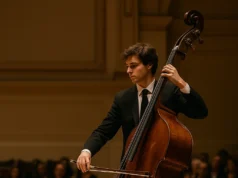



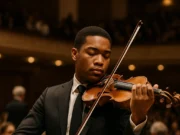






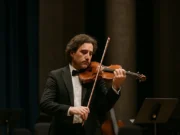
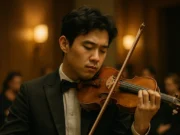

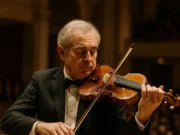
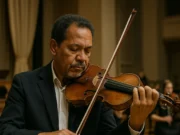

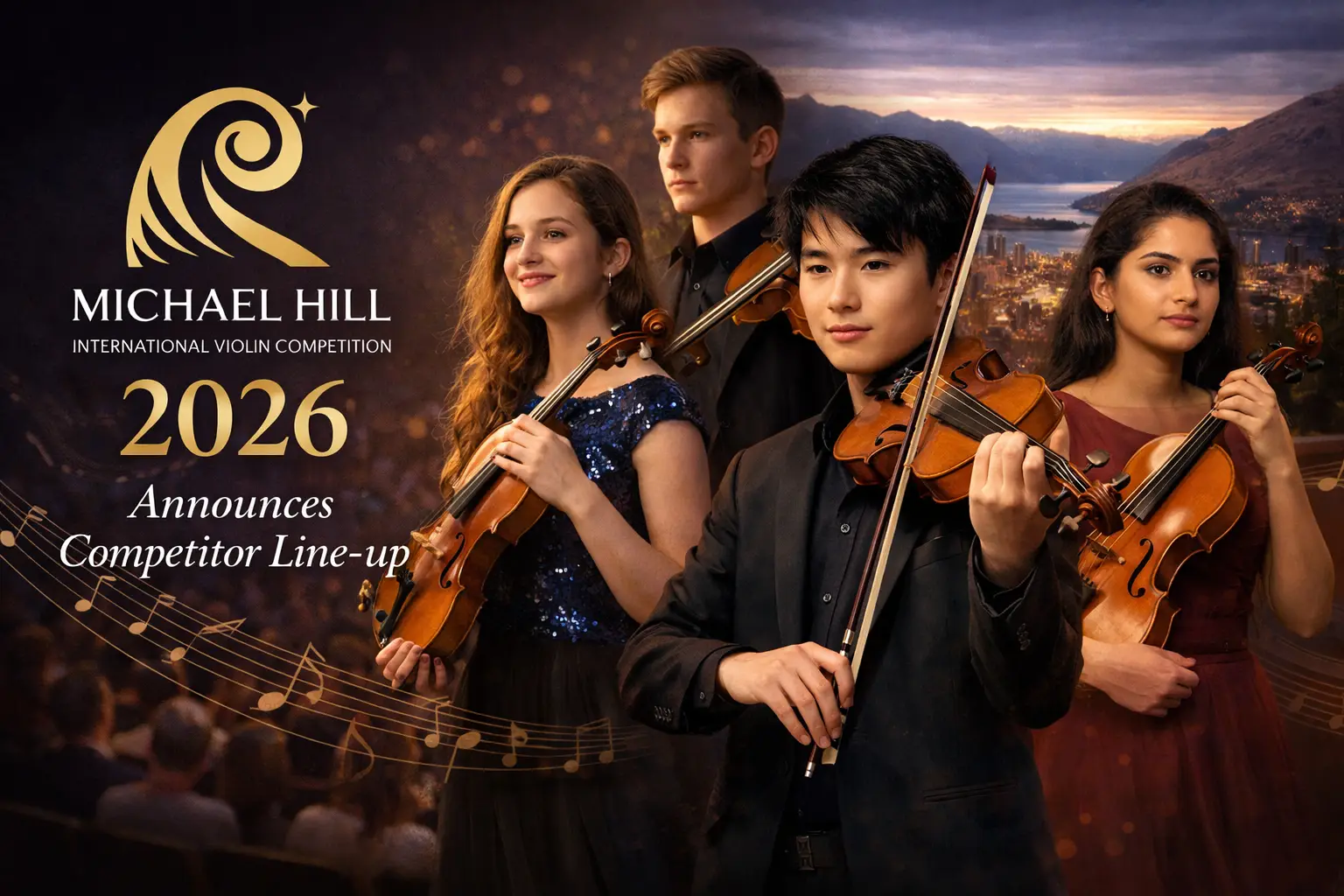
The organizing committee for the Michael Hill International Violin Competition has announced the roster of competitors selected for the 2026 competition cycle. This update provides an early look at the emerging violinists who will participate in one of the classical music world’s recognized international contests.
Michael Hill International Violin Competition 2026 Announces Competitor Line-up – Concerts & Events
The Michael Hill International Violin Competition, founded in 2001 and held biennially in New Zealand, is a prominent event dedicated to supporting the development of young violinists advancing toward professional careers. Candidates typically go through a rigorous application and selection process, which culminates in live rounds judged by an international panel of experts. The announcement of competitors is a key step in preparing for the competition’s preliminary stages.
Related: Kitchener-Waterloo Chamber Music Society Concludes Beethoven Violin-Piano Sonata Cycle
This information is particularly relevant to students, pedagogues, and professionals engaged in the violin community. For competitors, it represents acknowledgment of their skill and potential, opening opportunities for performance, networking, and career advancement. For audiences and promoters, it signals the upcoming availability of new talent and artistic expression within the classical violin repertoire.
Within the broader classical music ecosystem, international competitions such as the Michael Hill serve multiple roles. They act as platforms for young artists to gain visibility, build performance experience under pressure, and receive expert feedback. Moreover, the competition contributes to the ongoing vitality and evolution of the violin tradition by encouraging high-level musicianship and introducing emerging voices to the global stage. Such events also foster cultural exchange and strengthen the connections between musical centers worldwide.
The announcement of the competitor list initiates the countdown toward the competition’s public stages, typically including multiple rounds culminating in final performances. Participants, their teachers, and supporters will now focus on preparing repertoire and honing their artistry for the competition’s demands. The classical music community awaits the opportunity to witness performances that may influence the trajectories of emerging violinists and enrich the instrument’s contemporary legacy.
— The Violin Post Editorial Staff