



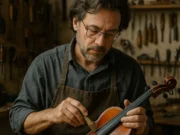
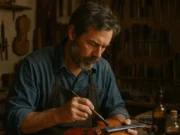
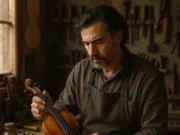
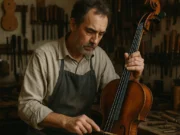
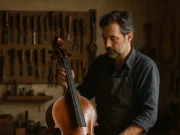
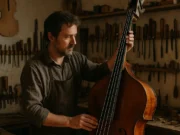

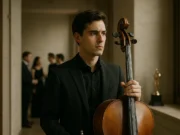



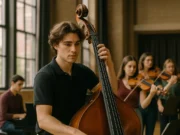
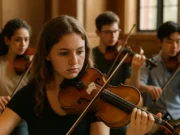
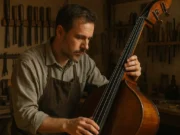



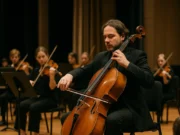
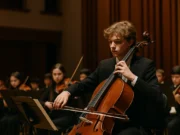
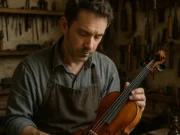
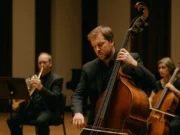

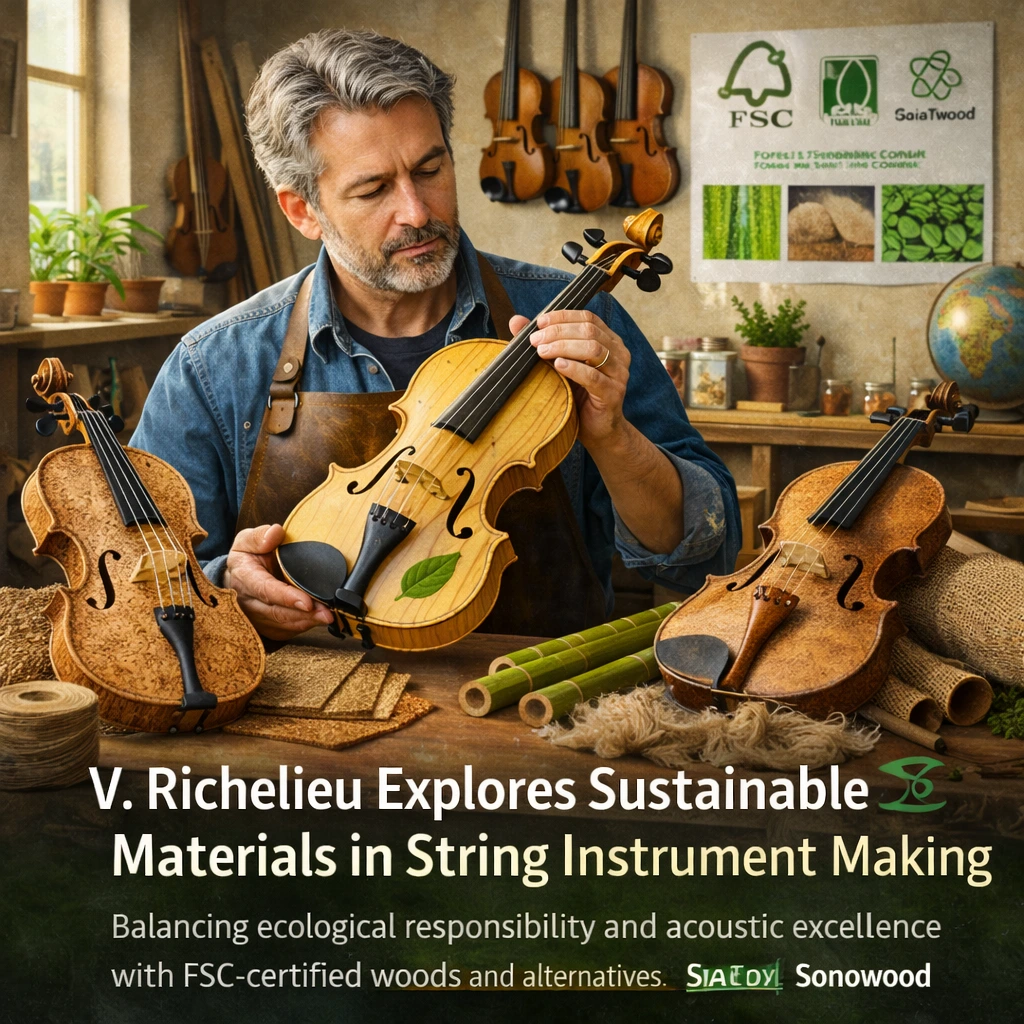
Luthier V. Richelieu is advancing innovation in violin, viola, cello, and double bass making by incorporating sustainable materials into instrument design and construction. This approach addresses environmental concerns while exploring new possibilities in sound quality and durability.
V. Richelieu Explores Sustainable Materials in String Instrument Making – Instruments
The classical string instrument community has traditionally relied on specific tonewoods such as spruce, maple, and ebony, which face increasing supply challenges due to deforestation and regulatory restrictions. Richelieu’s work represents an effort to harmonize ecological responsibility with the artistic and acoustic standards demanded by musicians.
This development is of particular interest to professional instrument makers, performers, and educators who seek alternatives to traditional materials without compromising the characteristic tonal qualities of their instruments. Students and emerging musicians may also benefit from instruments that are more accessible and environmentally conscious.
More broadly, Richelieu’s innovations align with a growing movement within classical music to incorporate sustainability into various facets of the art form, including instrument manufacturing, concert production, and material sourcing. As environmental awareness rises globally, the classical music ecosystem is responding by reexamining the impact of its practices and embracing new methodologies.
While sustainable materials present unique challenges in maintaining the precise acoustics and aesthetics associated with fine string instruments, continued research and experimentation by luthiers like Richelieu contribute to the evolution of the craft. Such advancements may pave the way for future instrumentation that balances tradition with ecological stewardship.
— The Violin Post Editorial Staff