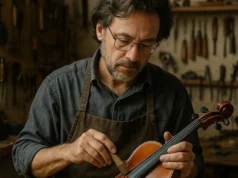






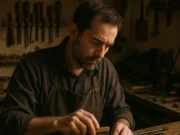

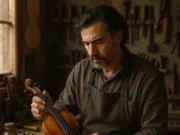
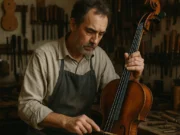

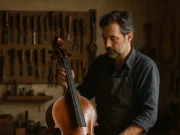




















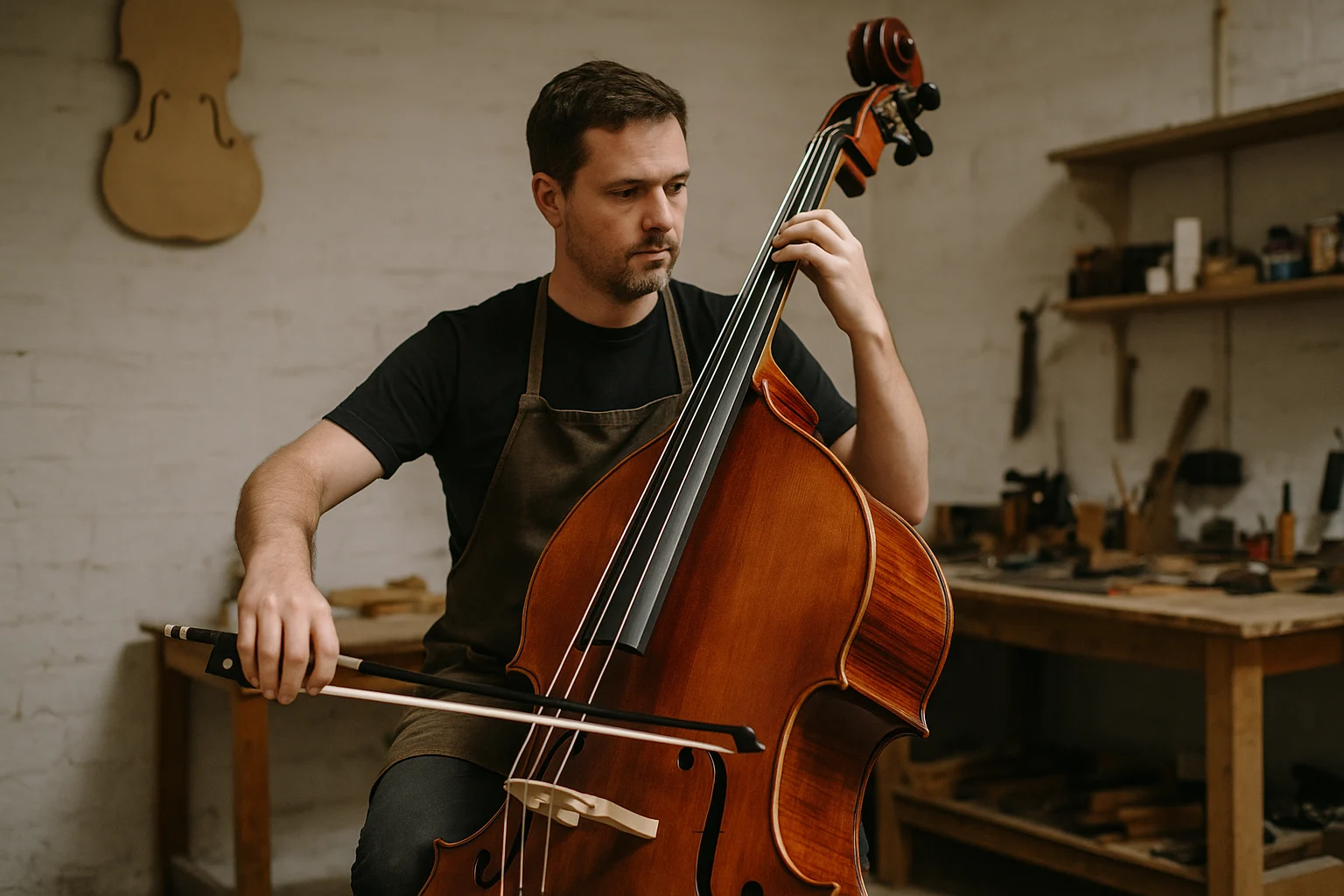
A South African professional with a background in mechanical engineering has shifted careers to become a full-time violin maker, exemplifying the integration of scientific knowledge and artisanal skill in the field of string instrument craftsmanship.
From Mechanical Engineering to Violin Making: A South African Artisan’s Journey – Luthier & Making
This career transition highlights the relevance of engineering principles in the precise construction of violins, violas, cellos, and double basses. The maker applies an understanding of materials, acoustics, and structural mechanics—skills commonly honed in engineering—to the nuanced and historically rich process of instrument fabrication.
Such developments are significant for musicians, students, and professionals invested in the classical string instrument community. High-quality handmade instruments contribute to the richness of performance and pedagogy, and makers who bring technical backgrounds can offer innovations in design and durability without compromising tonal qualities.
Violin making remains a specialized craft where tradition and modern techniques intersect. The involvement of individuals with engineering expertise represents a broader trend towards interdisciplinary approaches within the classical music ecosystem. This cross-pollination can enhance instrument development, maintenance, and customization, supporting the evolving needs of performers and educators.
The journey of this South African violin maker underscores the diverse paths into the field of lutherie and the ongoing importance of craftsmanship in sustaining classical music traditions worldwide.
— The Violin Post Editorial Staff