
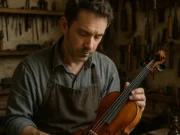
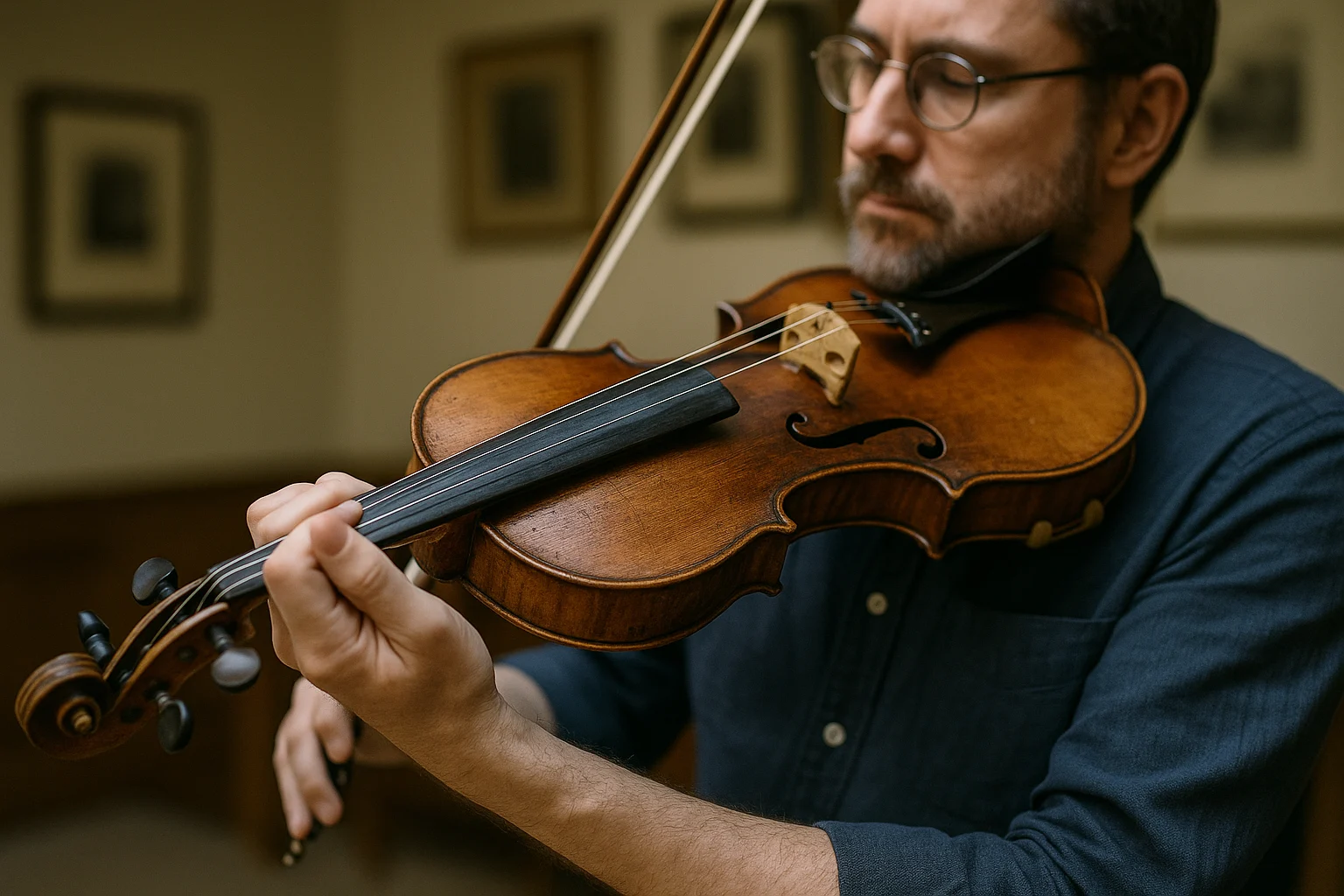
A violin that once belonged to physicist Albert Einstein has been sold for over one million dollars at auction. This instrument holds historical significance as it was concealed from the Nazis during World War II to protect it from confiscation. Its recent sale underscores the continuing interest in artifacts that connect prominent historical figures to the world of music.
Albert Einstein’s Violin, Preserved from Nazi Era, Sells for Over $1 Million – History
Albert Einstein was not only a pioneering scientist but also an avid amateur violinist. Throughout his life, he played music as a personal passion and found solace in it during times of turmoil. The violin in question represents more than a musical instrument; it embodies a tangible connection to Einstein’s personal life and the cultural history of the era.
The violin’s provenance includes efforts to safeguard it during the Nazi regime, which notoriously targeted and confiscated art and personal property belonging to Jewish individuals and others. The concealment and eventual preservation of this instrument reflect broader historical efforts to protect cultural assets during periods of conflict.
This news is particularly relevant to musicians, historians, and collectors interested in the intersection of music, history, and cultural heritage. For string players, the story illustrates how instruments can carry narratives beyond their acoustic qualities, serving as witnesses to significant historical events and personal stories.
In the broader classical music ecosystem, the sale of such historically significant instruments highlights their dual roles as both functional artistic tools and valuable artifacts. While some instruments remain in active performance, others are preserved as collectibles or museum pieces, contributing to our understanding of the cultural contexts surrounding notable figures.
Auctions of instruments linked to prominent individuals often generate public interest and discourse about the preservation of musical heritage. They also raise questions about the stewardship and accessibility of culturally important items within the classical music community and beyond.
The sale of Einstein’s violin is a reminder of the enduring relationship between music and human experience, bridging disciplines and time periods. It emphasizes the importance of safeguarding both musical instruments and the histories they carry for future generations.
— The Violin Post Editorial Staff