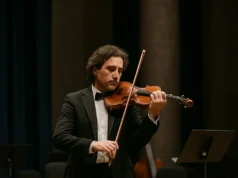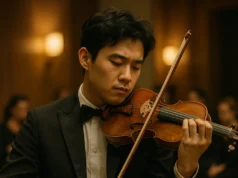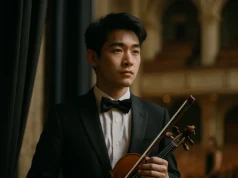

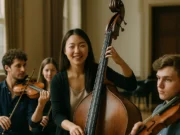
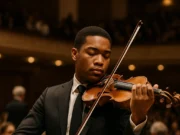
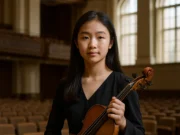
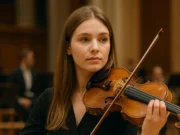
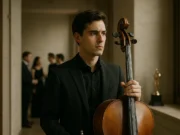
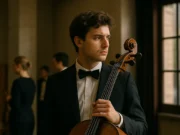
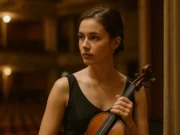
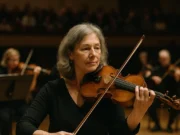
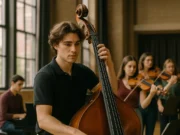
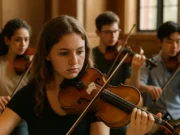
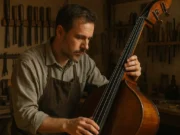
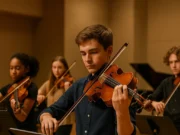
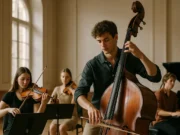
Classical music has undergone significant transformations over the centuries, marked by continuous innovation and evolution in style, form, and technique. This extensive history charts the development of musical expression from early periods through modern times, emphasizing the role of string instruments—violin, viola, cello, and double bass—in shaping the repertoire and performance practices.
A Historical Overview of Classical Music and Its Evolution – History
The narrative of classical music begins in the medieval period with the foundations of Western musical notation and early rhythmic development. Progressing into the Renaissance and Baroque eras, composers expanded harmonic language and formal structures, giving rise to intricate counterpoint and the emergence of instrumental virtuosity.
During the Classical period, innovation took form through clearer textures and balanced form, epitomized by composers like Haydn and Mozart. The Romantic era followed with increased expressiveness, technical demands, and expanded orchestration, providing solo string players new opportunities for artistic exploration.
The 20th and 21st centuries have seen further experimentation with tonality, rhythm, and extended techniques, reflecting broader artistic and cultural shifts. Contemporary composers often challenge traditional boundaries, offering fresh perspectives within the established classical canon.
This overview is relevant to musicians, students, and educators specializing in string instruments, as understanding historical contexts enriches interpretation, technique, and pedagogical approaches. It also informs programming decisions and scholarly research by situating works within their stylistic frameworks.
Within the broader classical music ecosystem, awareness of historical development underscores how performance practice and repertoire choices evolve in response to societal changes, technological advances, and artistic innovation. Competitions, festivals, and academic discourse often draw upon this legacy to nurture emerging talent and sustain the tradition.
Tracing the journey of classical music offers valuable insights into the art form’s complexity and enduring relevance, highlighting the continual interplay between preservation and creativity that defines its future.
— The Violin Post Editorial Staff